Lena Horne Refused to Stay in Hollywood’s Margins — and Turned a Restricted Career Into a Stand for Dignity
Lena Horne had the glamour, voice, and screen presence Hollywood wanted in the 1940s. What the industry would not give her was something more basic: the freedom to participate fully in the stories it used her to sell.
Her musical appearances were often filmed separately from a movie’s plot, allowing theaters to remove them without disrupting the story. In parts of America, audiences could watch the same film and never see Horne at all. She later expressed frustration at repeatedly being presented as a glamorous Black woman simply standing apart and singing.
That resistance had roots in her childhood. Born June 30, 1917, in Brooklyn, Horne was strongly influenced by her grandmother, Cora Calhoun Horne, who exposed her to activism and taught her to maintain dignity under pressure.
After losing both grandparents in 1932, Horne began working young. At 16, she entered Harlem’s Cotton Club chorus line, earning $25 a week in a venue where Black performers entertained audiences from which Black patrons were often excluded.
By 1941, her career had taken her to California, but success offered no escape from segregation. Housing restrictions made finding a home difficult, and after a white manager helped secure a lease for her, neighbors reportedly petitioned for her removal. Actor Humphrey Bogart, who lived nearby, objected to the harassment.
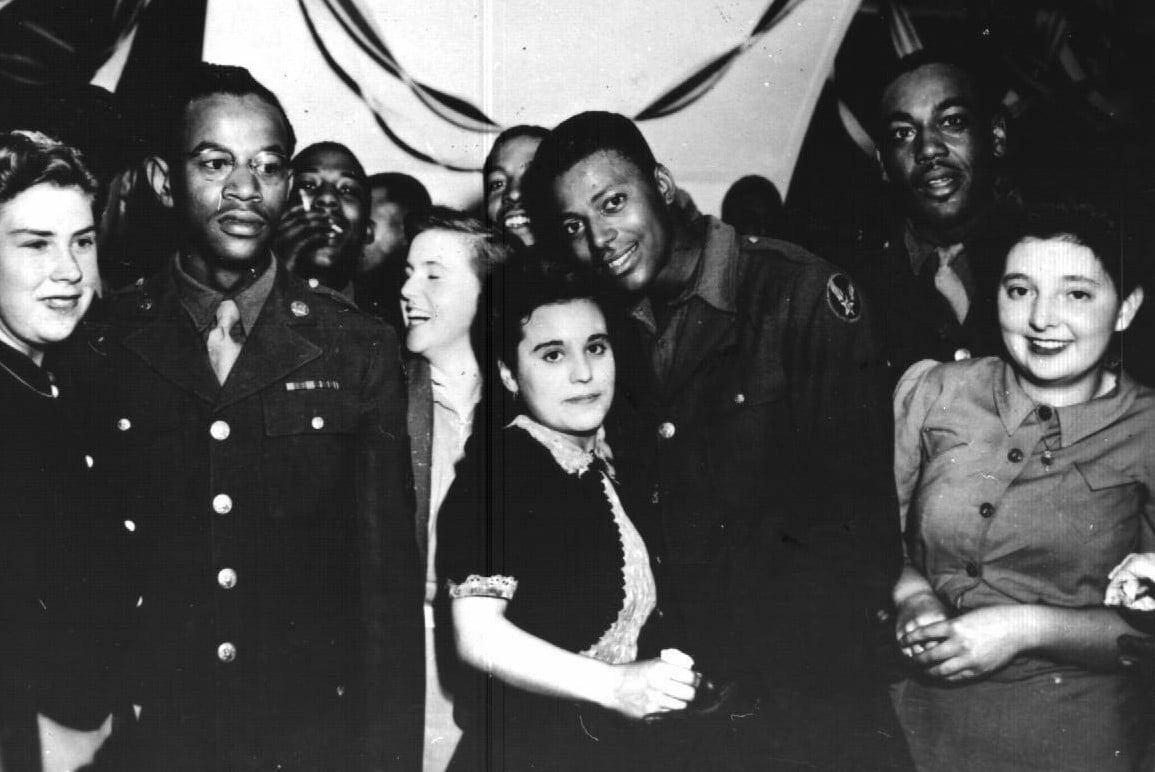
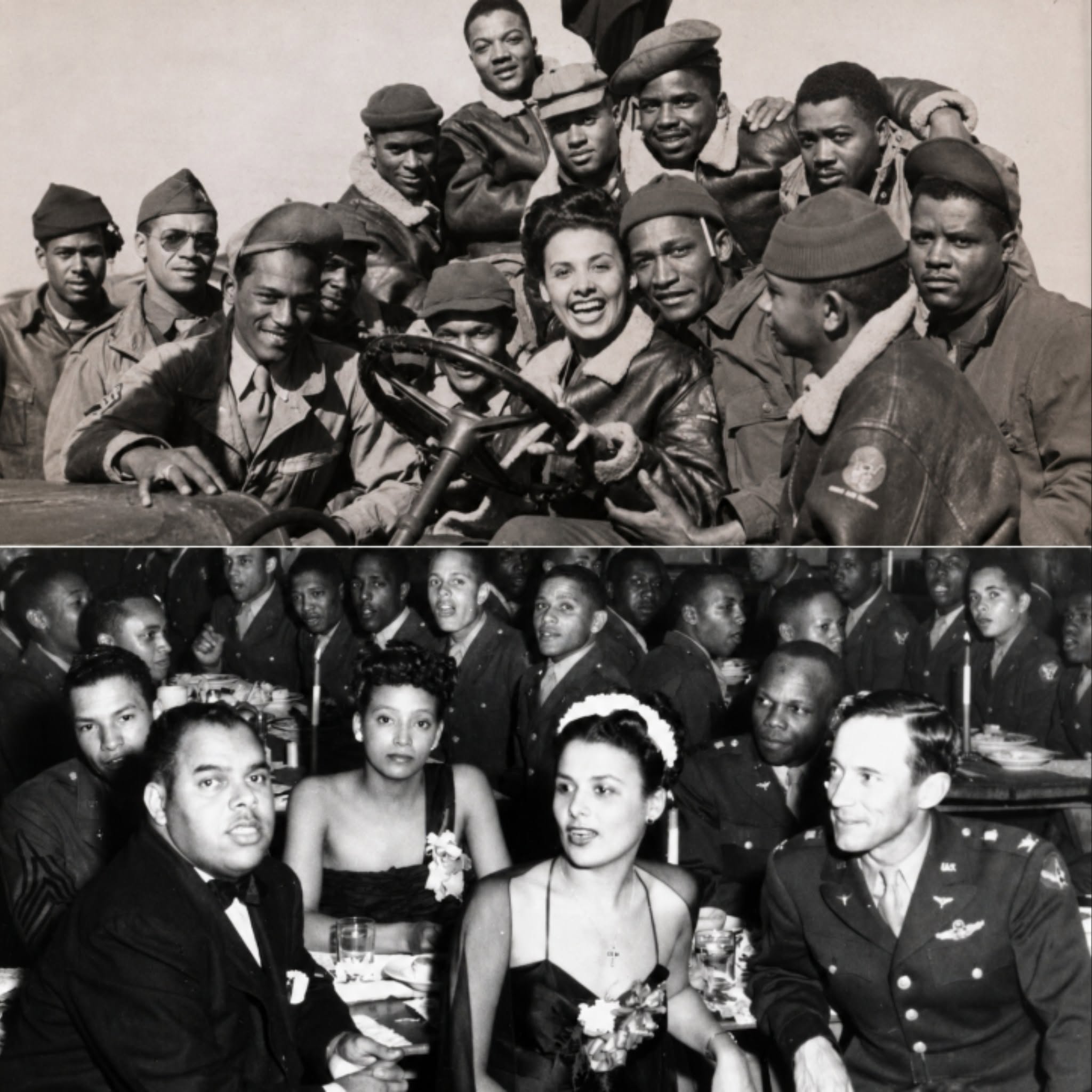
Horne also performed for soldiers during World War II, becoming especially meaningful to Black servicemen who saw both her fame and the barriers surrounding it.
Hollywood could isolate her scenes. Neighborhoods could attempt to exclude her. But neither could reduce her to the carefully controlled image they preferred.
The same composure that once helped Horne survive discrimination eventually became part of her public strength. She emerged not simply as a celebrated entertainer, but as a woman whose career exposed the contradiction between being admired by America and being denied equal treatment within it.