NOLAN WELLS BOMBSHELL: FBI EVIDENCE NOW UNDER THE MICROSCOPE — BUT THE ONE ANSWER HIS FAMILY WANTS IS STILL MISSING

NOLAN WELLS BOMBSHELL: FBI EVIDENCE NOW UNDER THE MICROSCOPE — BUT THE ONE ANSWER HIS FAMILY WANTS IS STILL MISSING
What does the evidence actually tell us about Nolan Wells?
Weeks after 18-year-old Nolan Wells disappeared during a Fourth of July trip to Horn Island, the questions surrounding his death are refusing to go away.
And now, as investigators continue examining the evidence, one thing has become painfully clear:
There is still a gap between what people believe happened… and what investigators can actually prove.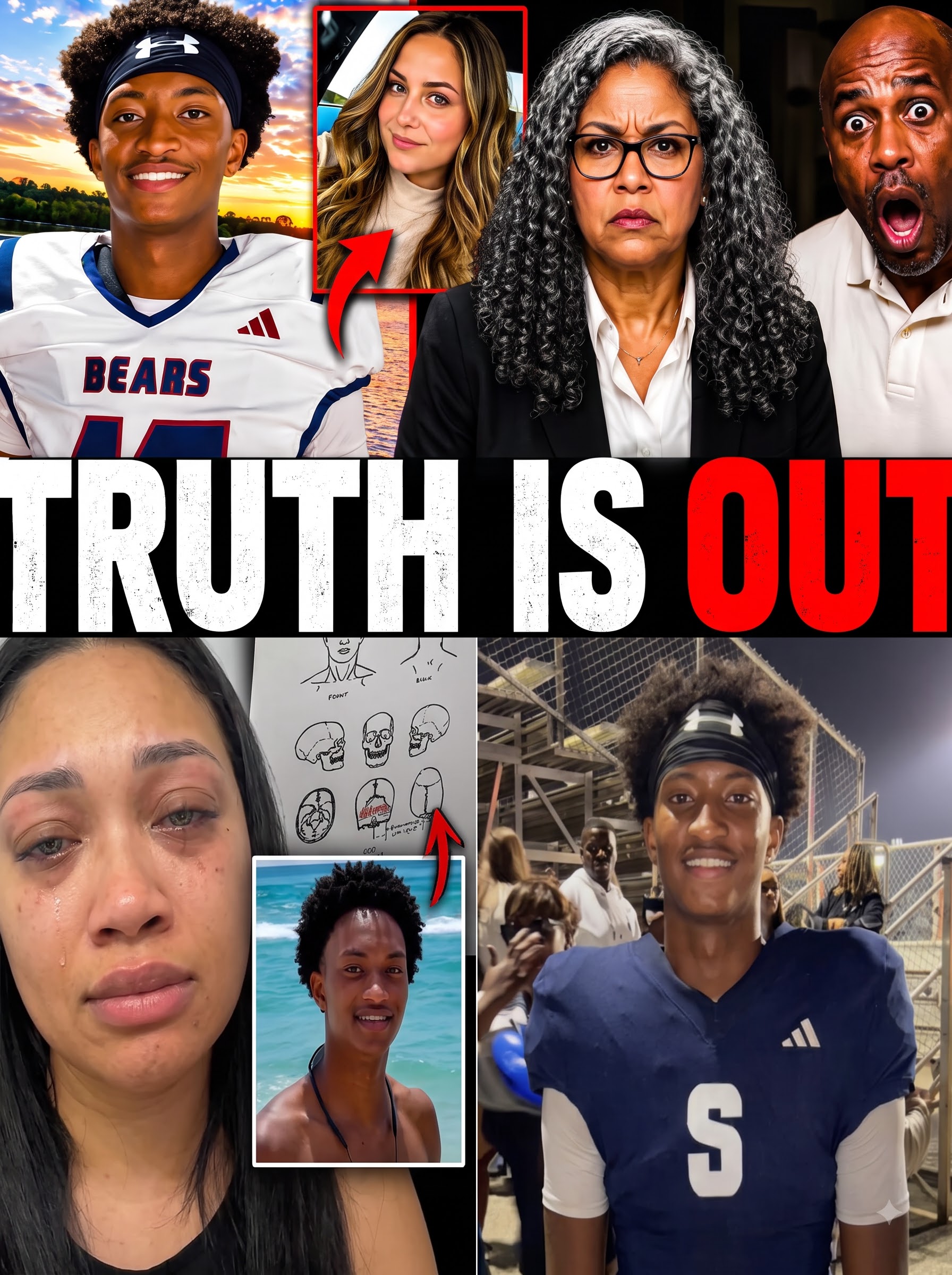
Nolan’s death has generated an extraordinary amount of public attention.
Every photograph has been analyzed.
Every phone record has been questioned.
Every witness statement has been dissected.
Every new piece of information has triggered another theory.
But investigators face a much harder task.
They have to determine what the evidence can actually establish.
Not what social media believes.
Not what someone claims happened.
Not what a viral video suggests.
What can be proven?
That distinction has become increasingly important as the investigation continues.
Nolan disappeared after traveling to Horn Island for a Fourth of July outing with friends.
Two days later, his body was recovered.
Authorities initially indicated they had not found evidence of foul play, while the official determination of the manner and cause of death has remained unresolved publicly. The state autopsy has reportedly been completed, but the results have not been released to the public.
That leaves Nolan’s family—and the public—with a painful uncertainty.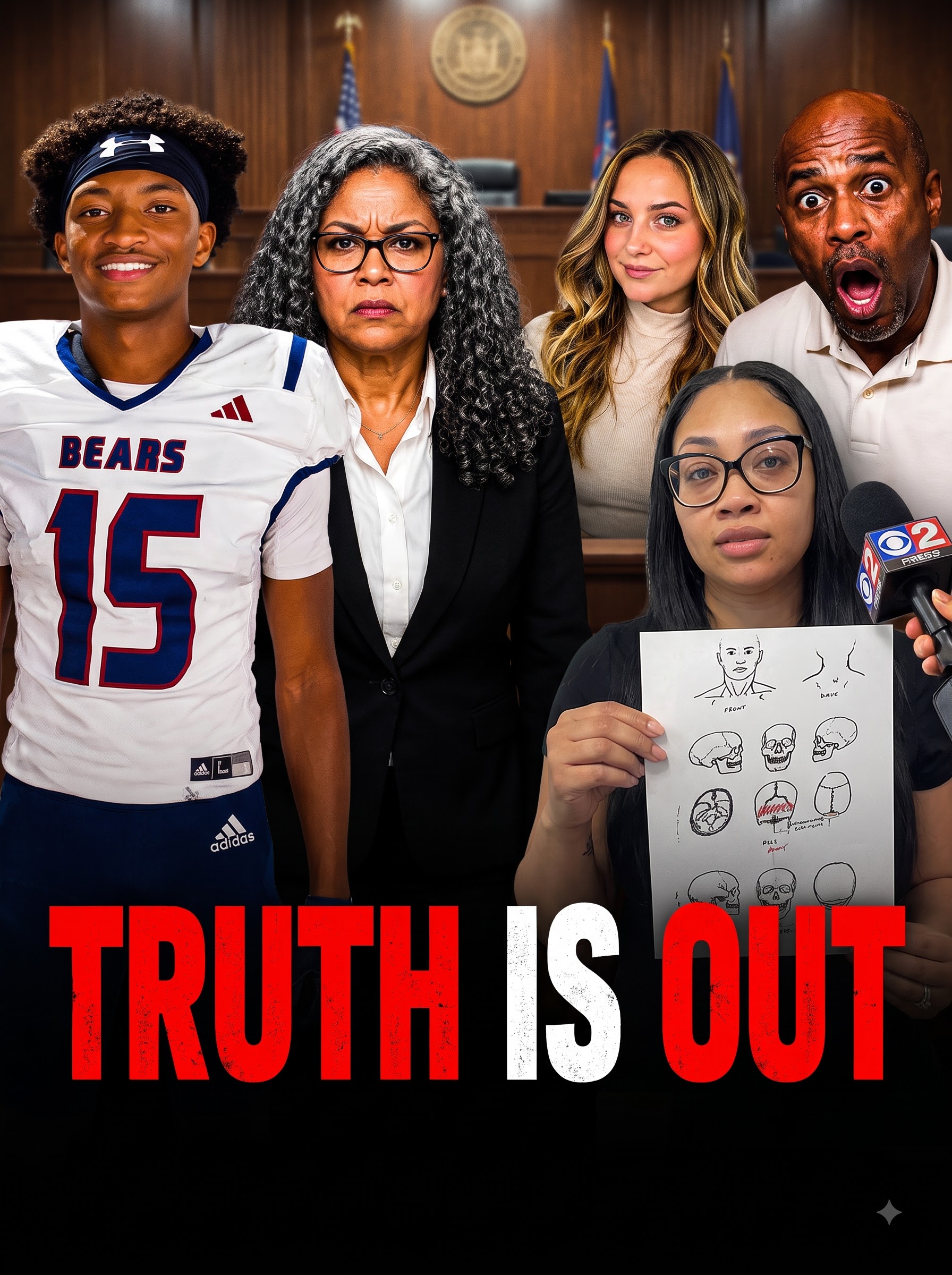
Was his death an accident?
Was there another explanation?
Could additional evidence change the understanding of what happened?
Those questions remain unanswered publicly.
And that is exactly why every new development attracts enormous attention.
The investigation has also expanded beyond the circumstances of Nolan’s death itself.
Three people from different states have now faced federal charges over alleged threats directed at individuals connected to the investigation—including a judge, a witness and local officials. None of those defendants has been charged with Nolan’s death.
That distinction cannot be overstated.
A threat-related arrest is not evidence that someone caused Nolan’s death.
But it does demonstrate just how emotionally charged this investigation has become.
Meanwhile, investigators continue working through evidence that may include digital records, witness accounts, communications and forensic information.
And recently, Nolan’s friends and their attorneys have said they plan to return to Horn Island to better understand the physical environment where Nolan’s final hours unfolded.
That doesn’t prove anything by itself.
But it shows that questions about the island, its terrain and what could have happened there remain central to the story.
The United Cajun Navy has also released a report containing photographs and screenshots submitted by members of the public, adding another layer of information for people following the case.
Yet more information does not necessarily mean more answers.
Sometimes it creates even more questions.
And perhaps that’s where the Nolan Wells investigation stands right now.
More evidence.
More competing claims.
More scrutiny.
But still no publicly released conclusion explaining exactly how Nolan died.
For his family, that uncertainty must be unbearable.
Because behind every investigation update is an 18-year-old young man who should still be here.
He should still be making plans.
Still talking with friends.
Still arguing about ordinary things.
Still getting ready for the next chapter of his life.
Instead, his family is waiting for investigators to tell them what happened during his final hours.
And that is why the evidence matters so much.
If there is a piece of information that changes the timeline, it matters.
If a digital record contradicts an earlier account, it matters.
If forensic evidence answers a previously unanswered question, it matters.
But until investigators authenticate and interpret those pieces, they remain exactly that:
pieces.
Not the complete picture.
The biggest danger in a case like this is allowing speculation to become “fact” before the evidence is fully understood.
Nolan’s family deserves answers.
But they deserve real answers—answers that can survive scrutiny, not rumors that collapse under it.
And somewhere inside the investigation may be the evidence that finally closes the gap between suspicion and certainty.
Nolan Wells went to Horn Island on July 4. He never came home.
Now the question isn’t simply what people think happened.
It’s what investigators can ultimately prove happened.
Because until that answer comes, Nolan’s family is left with the hardest question of all:
WHAT REALLY HAPPENED TO NOLAN WELLS?
The evidence will have the final word.