LUCY LETBY CASE FACES RENEWED SCRUTINY — QUESTIONS OVER MEDICAL EVIDENCE RETURN TO THE SPOTLIGHT
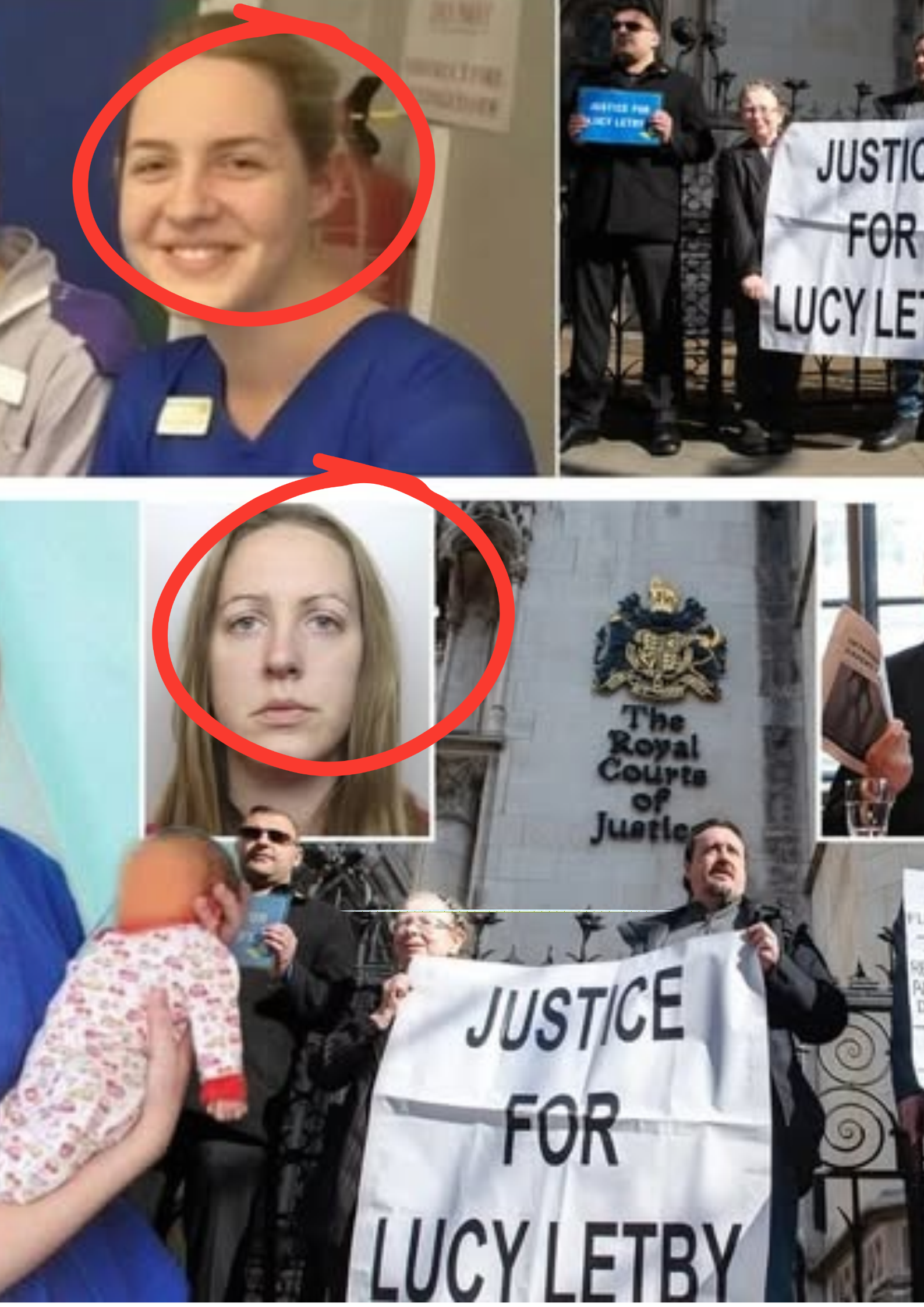
LUCY LETBY CASE FACES RENEWED SCRUTINY — QUESTIONS OVER MEDICAL EVIDENCE RETURN TO THE SPOTLIGHT
The Lucy Letby case remains under intense scrutiny as questions continue to be raised about the medical and toxicological evidence relied upon during her trials. Legal reviews and expert disagreements have fueled renewed debate over whether all of the evidence was interpreted correctly—and whether further examination could change the understanding of one of Britain’s most controversial criminal cases.
 A CASE THAT REFUSES TO DISAPPEAR
Few British criminal cases have generated as much public and professional debate as that of Lucy Letby.
Letby, a former neonatal nurse, was convicted of murdering seven babies and attempting to murder six others at the Countess of Chester Hospital.
She has consistently maintained her innocence.
Since her convictions, questions surrounding aspects of the medical evidence have continued to attract attention from lawyers, scientists and campaigners.
QUESTIONS OVER THE EVIDENCE
At the center of the continuing debate is the interpretation of medical evidence presented to the original juries.
Critics of the prosecution case have questioned whether certain clinical events were necessarily evidence of deliberate harm or could have had alternative medical explanations.
Some experts have also disagreed over the interpretation of laboratory and toxicological evidence discussed during the proceedings.
Those disagreements do not automatically establish that evidence was falsified, deliberately discarded or improperly concealed.
But they have contributed to calls for closer examination of the evidence.
WHAT ABOUT THE CCRC?
The Criminal Cases Review Commission (CCRC) is responsible for investigating possible miscarriages of justice in England, Wales and Northern Ireland and can refer cases back to the courts where it believes there is a real possibility that a conviction may be unsafe.
The CCRC’s involvement should not be confused with a finding that a conviction was wrongful.
A review does not itself establish innocence, nor does it mean that allegations of misconduct have been proven.
Instead, it provides another mechanism through which potentially significant new evidence or legal arguments can be examined.
 CLAIMS OF “DISCARDED” TOXICOLOGICAL EVIDENCE
Online discussions surrounding the Letby case have included claims that important toxicological material was deliberately discarded or suppressed.
Such claims require particularly careful scrutiny.
There is a major difference between evidence being unavailable, testing being limited, samples being unsuitable for further analysis, and evidence being deliberately destroyed to conceal wrongdoing.
Without reliable documentary or official evidence demonstrating deliberate concealment, it would be misleading to describe such allegations as established fact.
EXPERTS CONTINUE TO DISAGREE
The medical evidence remains one of the most contested aspects of the case.
Different experts can examine the same clinical information and reach different conclusions about what it means.
That disagreement is particularly significant when the evidence concerns extremely premature or medically vulnerable babies, where sudden deterioration can have complex causes.
The continuing debate therefore extends beyond Letby herself.
It raises questions about how neonatal deaths are investigated, how unusual medical events are interpreted and how expert evidence is communicated to juries.
WAS THERE A LARGER SYSTEMIC FAILURE?
Some critics have argued that the controversy surrounding the case raises wider questions about healthcare investigations and institutional decision-making.
But there is an important distinction between identifying potential weaknesses in medical systems and establishing that a deliberate conspiracy existed.
Claims of a coordinated cover-up or a hidden perpetrator require evidence.
At present, speculation circulating online should not be confused with findings established through a court or independent investigation.
THE CENTRAL QUESTION
The most important question is not whether a dramatic theory can generate attention online.
It is whether the evidence can withstand independent scrutiny.
If new material emerges, it must be tested.
If expert opinions conflict, those disagreements must be examined.
And if any evidence was handled improperly, the circumstances surrounding it must be established rather than assumed.
A CASE STILL SURROUNDED BY QUESTIONS
Lucy Letby’s convictions remain legally significant, while the continuing debate over aspects of the evidence demonstrates how complicated the case has become.
For her supporters, the controversy represents a reason to demand further scrutiny.
For those who believe the convictions were properly established, the criticism must still be assessed against the full evidentiary record.
Either way, dramatic claims about a secret perpetrator or a deliberate healthcare cover-up should not be presented as fact without credible evidence.
The legal questions remain serious.
The medical evidence remains heavily debated.
And any genuine new evidence must be tested through the appropriate legal process.
Could further scrutiny eventually change how the evidence in the Lucy Letby case is understood?
Independent commentary on a public criminal case. Allegations of evidence suppression, falsification or systemic conspiracy are not presented as established facts unless confirmed by competent authorities or reliable documentary evidence.