“A DOUBLE STANDARD?” — QUESTIONS GROW OVER THE HANDLING OF NOLAN WELLS’ PHONE
“A DOUBLE STANDARD?” — QUESTIONS GROW OVER THE HANDLING OF NOLAN WELLS’ PHONE
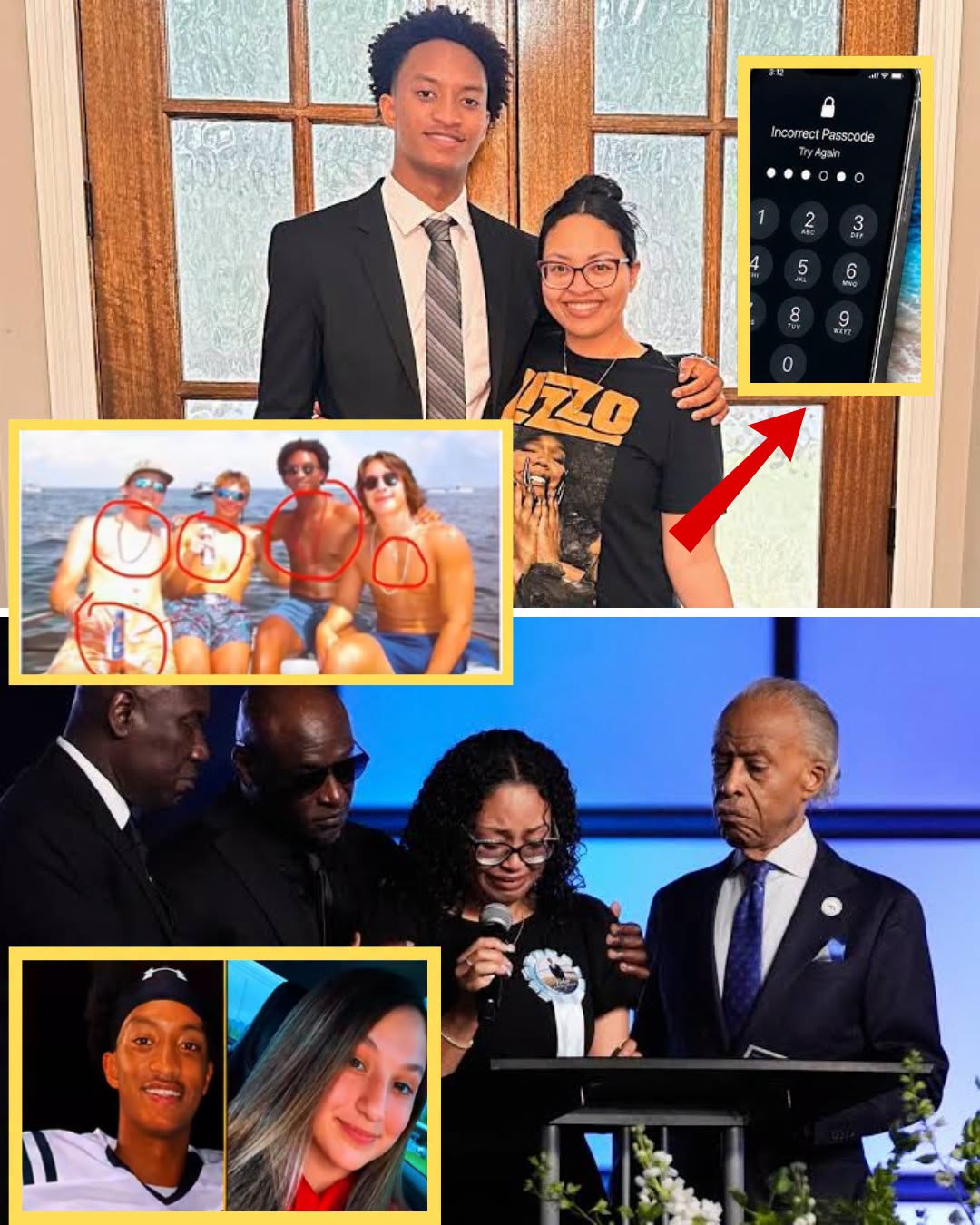
Questions are mounting over the handling of evidence in the Nolan Wells investigation after legal records reportedly showed that attorneys representing the family urged outside parties to preserve potentially relevant material while Nolan’s own cellphone remained outside law-enforcement custody. The contrasting approaches have prompted renewed debate over evidence preservation, transparency and the timeline of the investigation.
A PHONE AT THE CENTER OF NEW QUESTIONS
Nolan Wells’ cellphone has become an important point of discussion as questions continue surrounding his death.
According to legal records cited in recent reporting, the phone had not been turned over to investigators for an extended period after Nolan’s death.
That development has drawn attention because phones can contain potentially significant information in a modern investigation.
Messages, photographs, location information, application data and other digital records can sometimes help investigators establish a timeline.
But possession of a phone does not automatically mean it contains evidence of wrongdoing.
THE ALLEGED CONTRADICTION
The controversy centers on what critics describe as a potential contradiction.
Attorneys connected to Nolan’s family reportedly sent legal notices to outside parties warning them to preserve information that could potentially become evidence.
At the same time, Nolan’s own phone reportedly remained outside the physical custody of investigators.
That contrast has led to a difficult question:
Why were other parties being asked to preserve potential evidence while Nolan’s own device was not immediately available to investigators?
The answer may involve legal strategy, privacy concerns, disagreements over access or other circumstances that have not been fully established publicly.
WHAT DOES “PRESERVING EVIDENCE” MEAN?
A preservation request does not necessarily mean someone is accused of wrongdoing.
Such notices can be used by attorneys to prevent potentially relevant records from being deleted or altered while a dispute or investigation is ongoing.
Digital evidence can be particularly fragile.
Data may disappear through routine device use, automatic deletion settings, account changes or other processes.
That is why lawyers and investigators often place significant emphasis on preservation.
 WHY THE PHONE COULD MATTER
A cellphone can potentially provide a detailed chronology of a person’s movements and communications.
Depending on what remains available, forensic examination might reveal:
Messages and calls
Location-related information
Photographs and videos
Metadata and timestamps
Internet or application activity
However, the existence of such data does not necessarily establish what happened to Nolan.
Digital evidence must be authenticated, interpreted in context and compared with witness statements and other investigative findings.
A FORENSIC EXAMINATION HAS NOW BECOME A KEY ISSUE
Recent developments indicate that discussions have taken place over a possible forensic examination of Nolan’s device.
That could become significant if investigators and the family’s legal team agree on a process that addresses both evidentiary needs and privacy concerns.
The precise terms of any examination—and what information investigators are ultimately able to obtain—remain important questions.
THE FAMILY AND INVESTIGATORS MAY SEE THE ISSUE DIFFERENTLY
A disagreement over possession of a cellphone does not necessarily demonstrate that anyone is attempting to hide evidence.
There can be legitimate disputes over who has authority to access a device, how information should be handled and what safeguards should apply.
But transparency becomes especially important when a case has attracted intense public attention.
The longer a potentially relevant device remains outside investigators’ custody, the more questions the public is likely to ask.
 WHAT REMAINS UNKNOWN
Several important issues still require clarification:
When exactly was the phone last examined?
Who had physical possession of it?
Why was it not initially provided to investigators?
What terms are being discussed for a forensic examination?
Could relevant data still be recovered?
Until those questions are answered through reliable documentation, claims of a deliberate cover-up or intentional withholding would go beyond the available evidence.
THE BIGGER ISSUE: TRUST
The Nolan Wells investigation has generated competing narratives about what happened and who should be believed.
That makes evidence handling particularly important.
A transparent process does not necessarily guarantee a particular conclusion.
But it can help ensure that whatever conclusion investigators reach is based on evidence that has been properly preserved and examined.
Was the handling of Nolan’s cellphone simply a legal dispute—or does the timeline raise legitimate questions about evidence preservation?
For now, the answer remains unresolved. The legal records, phone-forensic discussions, statements from the Wells family’s attorneys and verified developments in the investigation are in the comments.
Independent commentary based on publicly reported information and legal claims. A difference in evidence-preservation strategy does not by itself establish wrongdoing, and allegations should not be treated as proven facts unless supported by official findings or court proceedings.