A Quiet Courage: How Children Born with Phocomelia Redefine Strength Beyond Physical Limits
A Quiet Courage: How Children Born with Phocomelia Redefine Strength Beyond Physical Limits
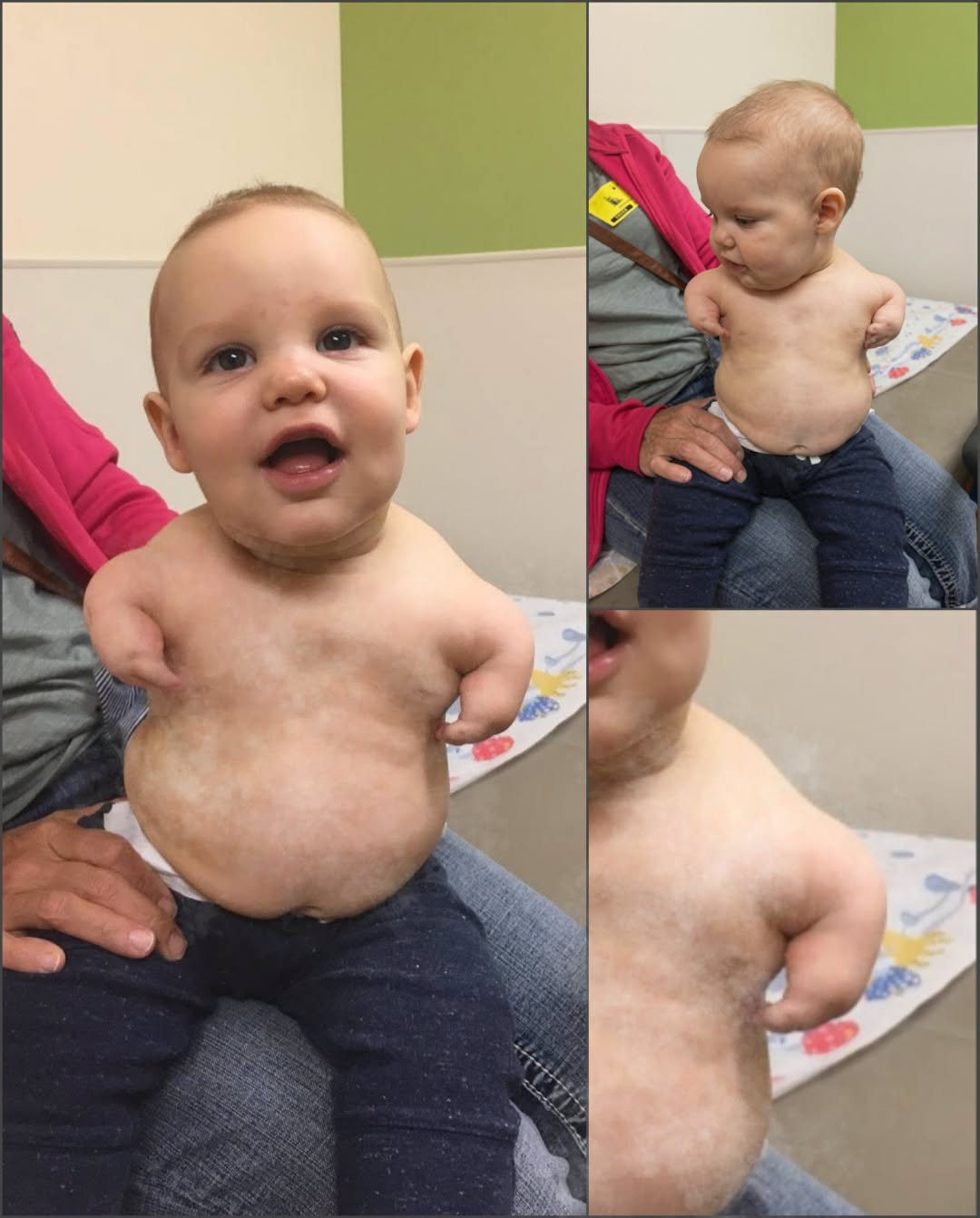
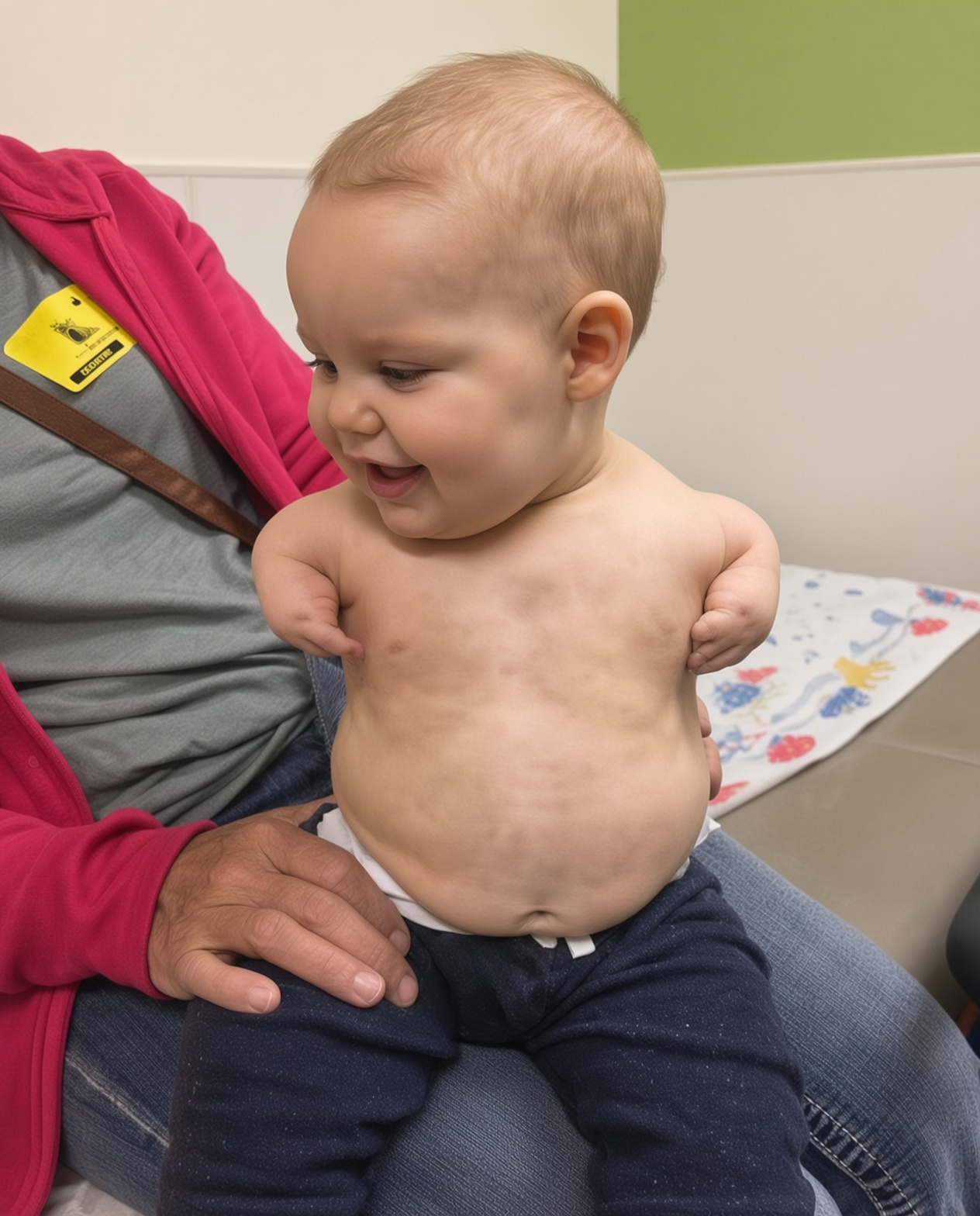
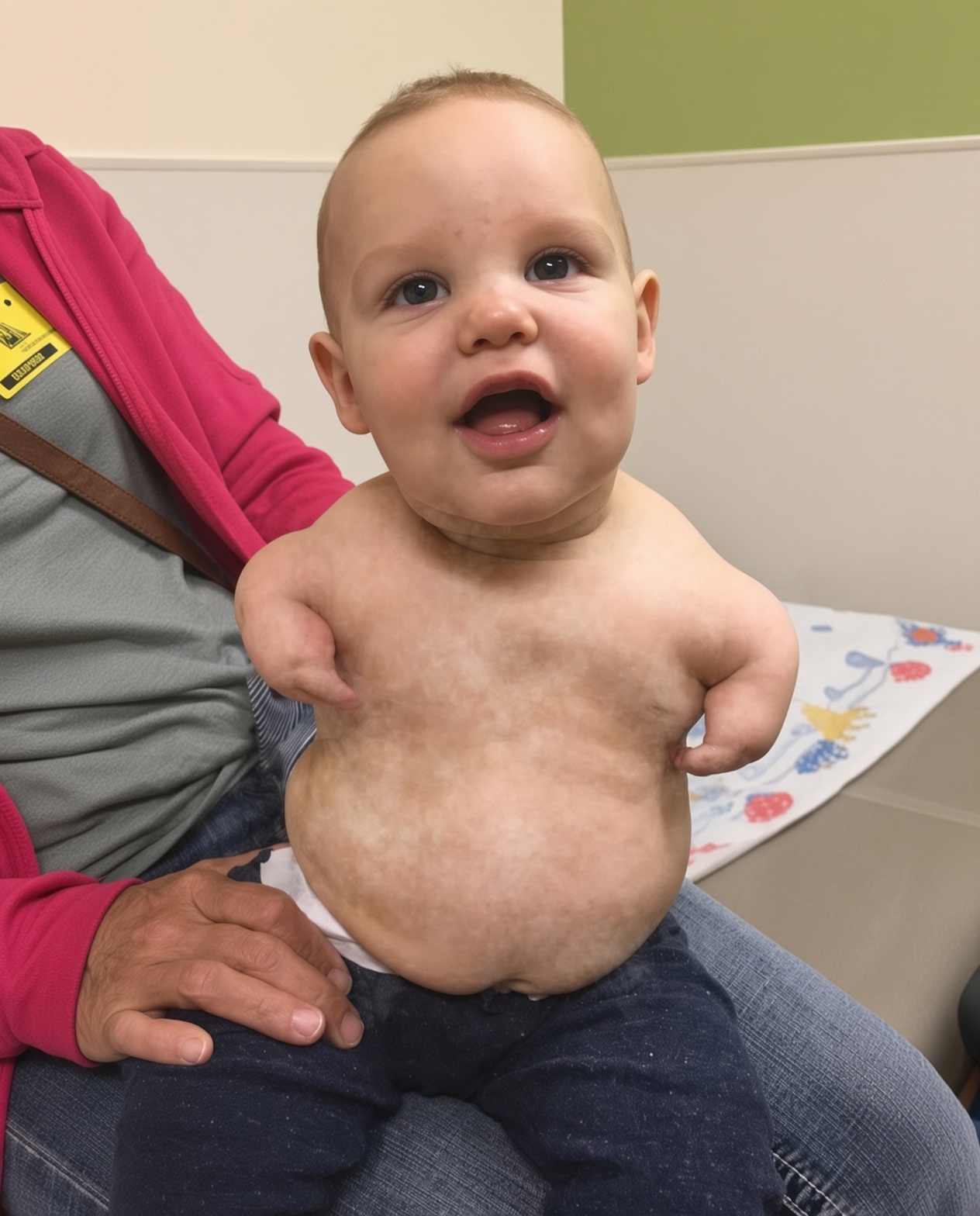
Entering the world with a rare condition often means inheriting a life filled with unspoken challenges, yet for children born with phocomelia, it also means displaying an extraordinary level of resilience from their very first breath. Phocomelia is an extremely uncommon congenital disorder where the long bones of the limbs are either severely underdeveloped or missing entirely. As a result, children born with this condition often have hands or feet attached directly to or very close to the main body, typically near the shoulders or chest. While the physical appearance can present immediate anatomical hurdles, the spirit of these young individuals routinely defies the limitations that the medical world might initially expect.
Historically, phocomelia became widely recognized across the globe during the mid-twentieth century due to the thalidomide tragedy, where a specific medication prescribed to pregnant women led to a sudden spike in limb malformations. However, in modern medicine, the landscape has entirely shifted. Today, the vast majority of phocomelia cases have no connection to that historical event. Instead, they occur due to complex, rare genetic variations or unexpected disruptions during the critical early stages of embryonic development. Because the condition manifests during the first few weeks of pregnancy when limb buds are forming, each child’s presentation is uniquely individual, requiring highly tailored medical and parental support.
Growing up with limbs positioned differently demands incredible adaptation. Basic everyday tasks that most people take for granted—reaching for an object, dressing independently, or interacting with the surrounding environment—require innovative strategies and specialized therapies from an early age. Pediatric physical and occupational therapists work closely with families to help children maximize their mobility, leverage custom adaptive devices, and build confidence in their innate abilities. Far beyond the clinical interventions, however, it is the emotional fortitude of these children and the unconditional support of their families that truly stand out.
Stories of individuals living with phocomelia serve as a profound reminder of the human body’s remarkable ability to adapt and overcome. They challenge societal definitions of capability and highlight the vital importance of inclusivity, early medical access, and compassionate care. By understanding the rare developmental origins of phocomelia rather than focusing solely on physical differences, society moves closer to creating an environment where every child, regardless of how they enter the world, is given the opportunity to thrive, express their potential, and lead a full, meaningful life.