TOXICOLOGY TAKES CENTER STAGE IN THE LINDSAY CLANCY TRIAL
TOXICOLOGY TAKES CENTER STAGE IN THE LINDSAY CLANCY TRIAL
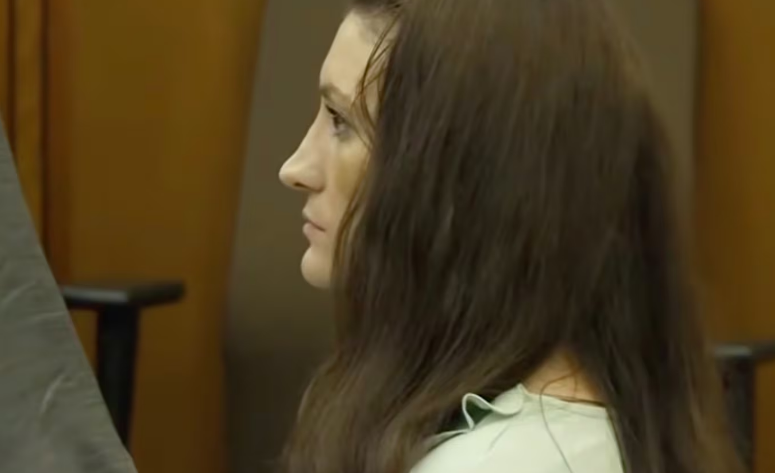
Evidence concerning Lindsay Clancy’s medications, mental state and toxicology has become an important part of the legal battle surrounding the deaths of her three children. But as competing arguments continue, one question remains central: what can the medical evidence actually establish about Lindsay’s condition on January 24, 2023?
WHAT WAS IN HER SYSTEM?
The question of what medications Lindsay Clancy had taken before the tragedy has been closely examined throughout the case.
Her defense has argued that her psychiatric history and treatment are essential to understanding what happened.
Prosecutors, meanwhile, have challenged aspects of that explanation and have presented their own interpretation of the evidence.
That makes toxicology particularly important.
But toxicology alone cannot necessarily explain a person’s state of mind.
A SECOND TEST DOESN’T AUTOMATICALLY MEAN A HIDDEN POISON
Online claims have circulated that an initial toxicology examination somehow “missed” a mysterious chemical later discovered in Lindsay’s blood.
That specific claim should be treated cautiously.
A toxicology finding must be interpreted alongside the substance’s concentration, the medications prescribed, metabolism, timing and the individual’s medical history.
A detected substance does not automatically establish that it caused a particular mental state or behavior.
 THE BIGGER MEDICAL QUESTION
The defense has pointed toward postpartum psychosis and Lindsay’s psychiatric history as central to its case.
Her husband, Patrick Clancy, has also previously described significant changes in Lindsay’s mental health before the tragedy.
The prosecution has disputed elements of the defense narrative.
Ultimately, jurors must weigh medical testimony alongside the other evidence presented in court.
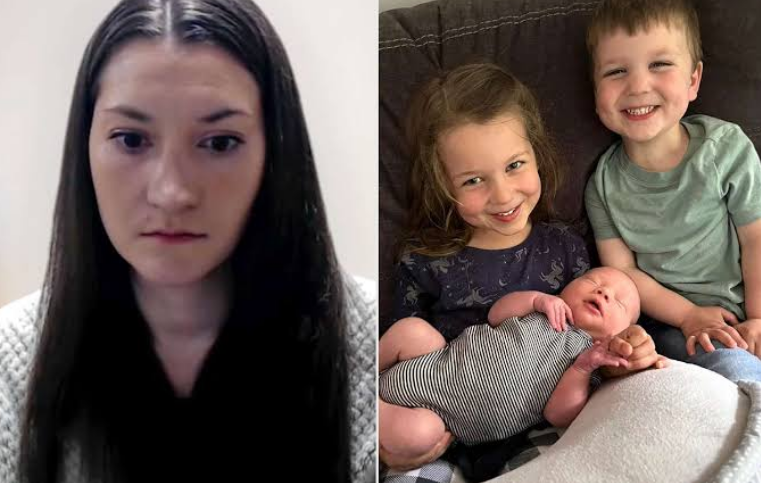
THREE CHILDREN AT THE CENTER OF THE CASE
Lindsay Clancy is accused of killing her three children—Cora, Dawson and Callan—before attempting to take her own life.
The deaths occurred at the family’s home in Duxbury, Massachusetts, in January 2023.
The case has generated intense attention because of the competing explanations surrounding Lindsay’s mental state.
Was she experiencing a severe psychiatric disorder?
What role, if any, did medication play?
And how should experts interpret the medical evidence from that period?
Those are questions for qualified medical witnesses and ultimately the jury—not social-media speculation.
 WHAT THE EVIDENCE CAN AND CANNOT TELL US
A laboratory result can establish the presence or absence of a substance.
It cannot, by itself, reconstruct an entire person’s psychological state.
That requires context.
Medical records.
Medication history.
Toxicology.
Psychiatric testimony.
And the circumstances surrounding the events.
The most important question is therefore not whether a “mysterious chemical” sounds shocking—but what the complete medical evidence actually proves.
Cora. Dawson. Callan.
A case involving profound questions about mental illness, medication and criminal responsibility.
Toxicology remains only one part of the larger evidentiary picture.
Independent commentary based on publicly reported proceedings. Claims about an undisclosed chemical compound or a supposedly missed toxicology finding should not be treated as established fact unless confirmed by courtroom evidence or reliable reporting.