“THEY COULDN’T FILL IN FOUR WORDS” — TEXAS TEACHER BREAKS DOWN IN TEARS AFTER CLASSROOM SHOCK
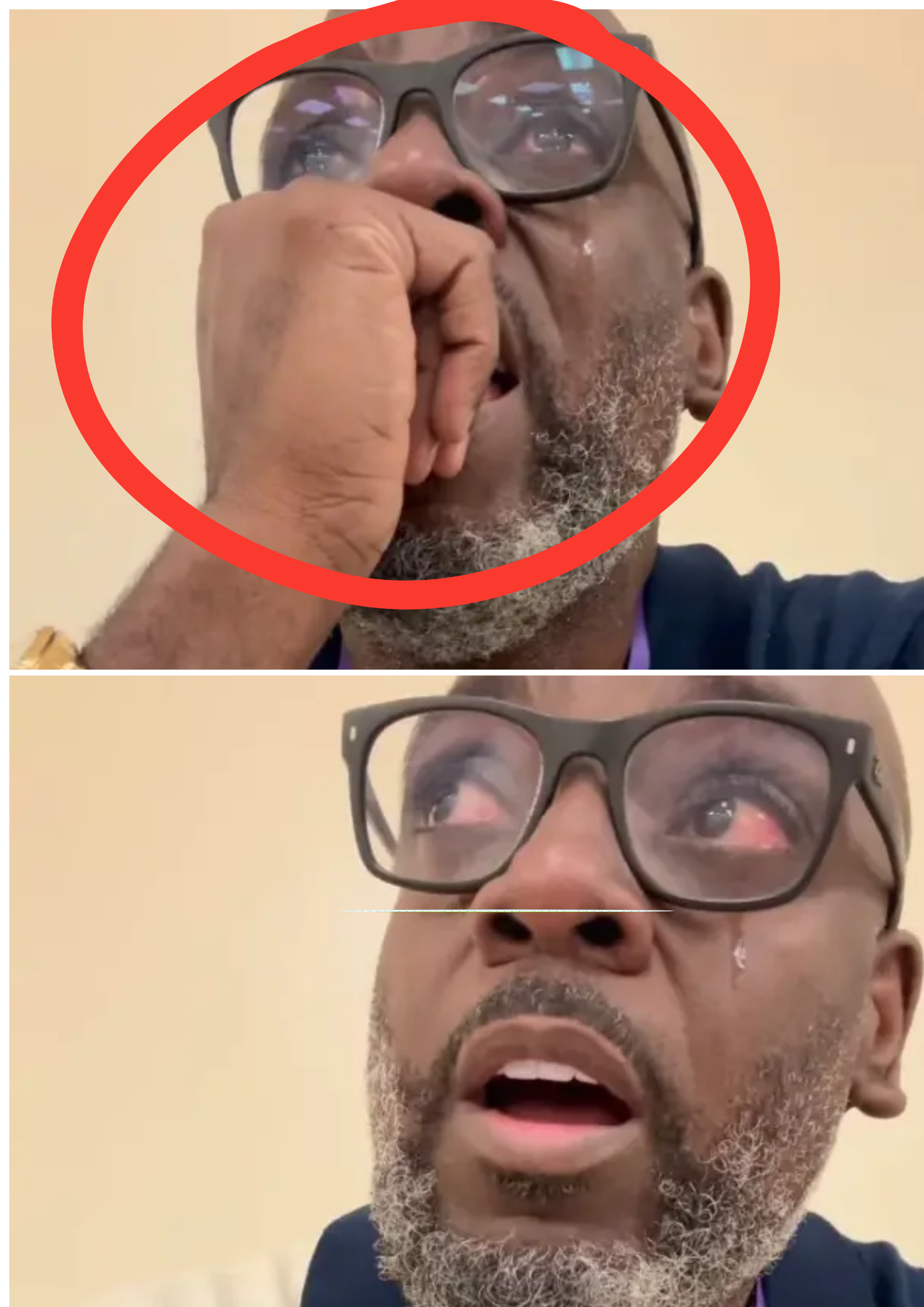
“THEY COULDN’T FILL IN FOUR WORDS” — TEXAS TEACHER BREAKS DOWN IN TEARS AFTER CLASSROOM SHOCK
Darius Williams expected to spend his second day of school teaching. Instead, a simple reading-and-writing exercise left him in tears and sparked a nationwide debate about what happens when students reach their final years of high school without the academic skills they need.
THE ASSIGNMENT SEEMED SIMPLE
Williams, a teacher at Wheatley High School in Houston, said he gave his senior students two short paragraphs to read.
Then came an even simpler task:
Complete a sentence by filling in four missing words.
He said he walked the class through the exercise, provided guidance and even gave students additional help.
Yet according to Williams, many of the students still struggled to complete it.
And that was when he broke down.
 “I LITERALLY BROKE DOWN”
In a tearful video shared on social media, Williams described becoming overwhelmed in the middle of his three-hour class.
The students he was talking about were reportedly 17 and 18 years old, meaning they were approaching graduation and potentially preparing for college or the workforce.
Williams said the experience left him asking a painful question:
How did they get this far without mastering these basic skills?
HE SAID HE WASN’T BLAMING THE STUDENTS
Williams emphasized that his frustration was not directed at the teenagers themselves.
Instead, he questioned the system surrounding them.
He described students who could verbally explain their thinking but struggled when asked to put those thoughts into written form.
His emotional reaction quickly resonated online, with many viewers saying the real tragedy was not that the students struggled—but that some may have reached their final year of high school before anyone fully addressed the problem.
 THE SCHOOL DISTRICT PUSHES BACK
Houston ISD acknowledged that some students enter high school significantly below grade level and said identifying those needs and providing targeted support is a major priority.
The district also pointed to significant academic gains at Wheatley High School, while acknowledging that some students still require additional support.
That makes the situation more complicated than a single viral video suggests.
One classroom cannot explain an entire school’s performance.
And one difficult assignment cannot measure every student’s ability.
BUT THE BIGGER QUESTION REMAINS
If even some students are reaching their senior year struggling with basic literacy, the problem did not begin on the second day of senior year.
It likely began years earlier.
Teachers can provide support.
Schools can introduce interventions.
Parents can help.
But once a student reaches 17 or 18, repairing years of missed learning becomes far more difficult.
That is what appears to have hit Williams so hard.
He wasn’t crying because four words were missing.
He was crying because he was wondering how many years had been missed before those four words ever reached his classroom.
A simple assignment.
A teacher overwhelmed by what he saw.
Seniors approaching graduation.
And a much bigger question about whether the education system is identifying struggling students early enough.
When a student reaches senior year unable to complete a basic task, the real question may not be “Why can’t they do it?”
It may be: “Why did nobody fix the problem sooner?”
Independent commentary based on the teacher’s public statements and local reporting. Williams’ description concerns students in his classroom and should not be interpreted as a claim about every Wheatley student. HISD says students have made significant academic gains while acknowledging continuing academic needs.