BEFORE LUCY LETBY WAS ARRESTED — THE WARNING SIGN THAT MADE DOCTORS STOP CALLING IT A COINCIDENCE
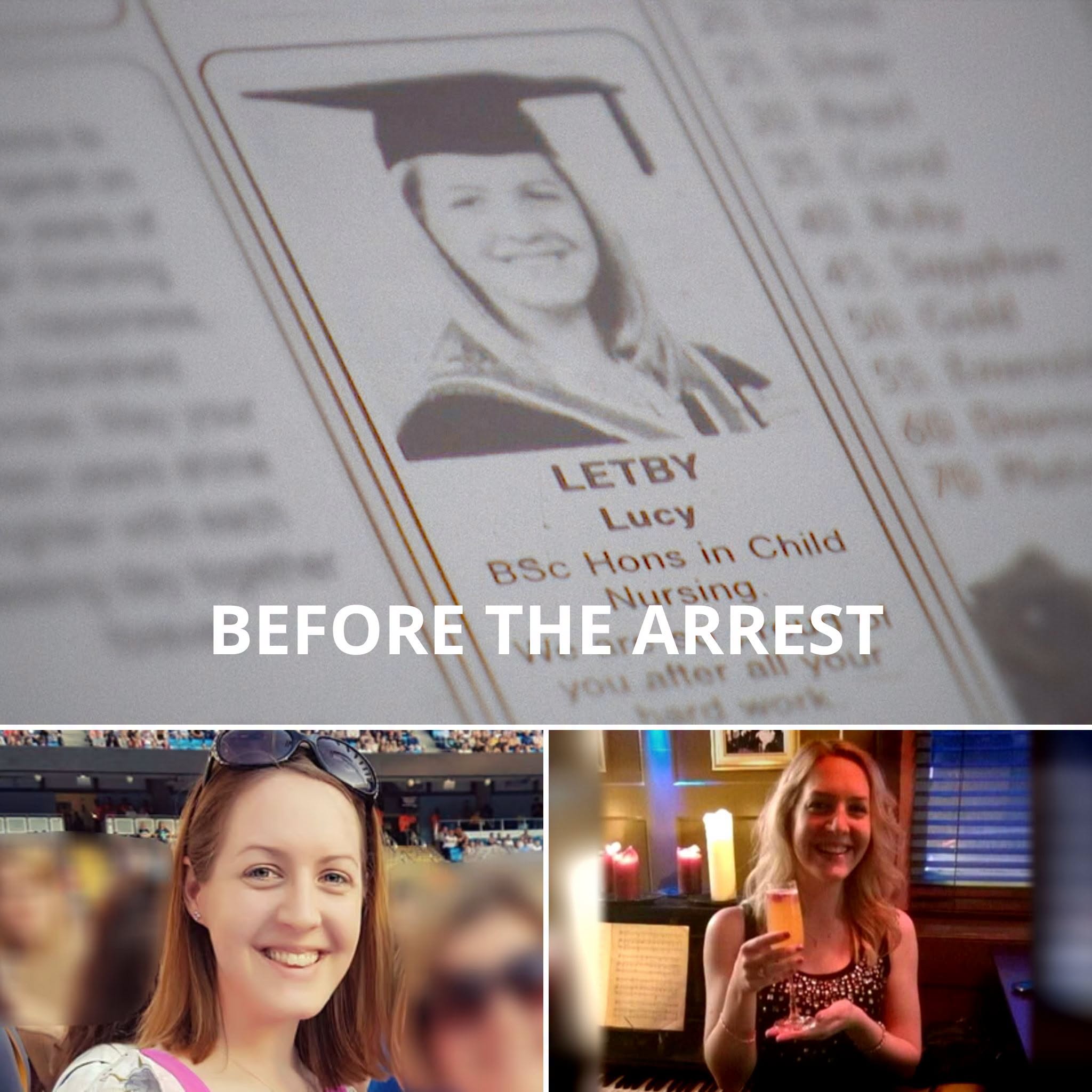
BEFORE LUCY LETBY WAS ARRESTED — THE WARNING SIGN THAT MADE DOCTORS STOP CALLING IT A COINCIDENCE
Long before Lucy Letby was arrested, doctors at the Countess of Chester Hospital were already confronting a disturbing pattern: babies were suddenly collapsing or dying in circumstances that were becoming increasingly difficult to explain. But one question changed the investigation forever — why did the same nurse keep appearing in the timeline?
IT DIDN’T BEGIN WITH A POLICE INVESTIGATION
There was no dramatic crime scene.
No confession.
No obvious explanation.
Instead, there were premature and vulnerable babies who unexpectedly deteriorated on a neonatal unit.
In June 2015, several sudden collapses and deaths occurred at the Countess of Chester Hospital’s neonatal unit. The unit normally recorded only a small number of deaths each year, making the increase particularly concerning.
At first, individual medical explanations were considered.
That is what happens when a baby becomes critically ill.
Doctors look for infection.
Medication problems.
Underlying medical conditions.
Complications associated with prematurity.
But the pattern kept growing.
 THEN DOCTORS STARTED LOOKING AT WHO WAS PRESENT
One of the details that gradually attracted attention was not simply when the babies collapsed.
It was who was working at the time.
According to evidence later presented in court and subsequent reporting, Letby was on duty during a striking number of the incidents.
That alone did not prove wrongdoing.
Staff worked different shifts, and coincidences can occur in busy hospitals.
But as the number of unusual events increased, the coincidence became increasingly difficult for some doctors to ignore.
THE DEATH THAT CHANGED THE CONVERSATION
A particularly important moment came after the death of Child I in October 2015.
Doctors became increasingly concerned about the pattern of unusual deaths and collapses.
A further staffing review showed Letby’s presence in a number of the cases.
Doctors began raising the possibility that the incidents needed to be examined together rather than individually.
That distinction was crucial.
Because if every case was treated as an isolated medical tragedy, the wider pattern could remain invisible.
NINE UNUSUAL DEATHS — ONE REVIEW
In February 2016, a thematic review examined a group of unusual deaths occurring since June 2015.
The review did not establish a definitive explanation for the rise in deaths and collapses.
But concerns about Letby’s connection to the cases were raised during discussions surrounding the review.
That meant the question had changed.
It was no longer simply:
“Why are these babies dying?”
It had become:
“Why are so many of these incidents occurring when the same nurse is present?”
 BUT THE WARNING DIDN’T IMMEDIATELY BECOME A POLICE CASE
This is one of the most controversial parts of the story.
Senior doctors continued to raise concerns.
According to subsequent reporting, some doctors wanted Letby removed from the neonatal unit as a safety measure.
Yet she remained working there until June 2016.
After two babies died within 24 hours in June 2016, doctors reached what one consultant later described as a “tipping point.”
Letby was removed from the neonatal unit soon afterward.
THEN THE RECORDS BECAME THE MAP
The eventual police investigation would take a much broader look at what had happened.
Investigators reviewed medical records.
Staff rotas.
Hospital documentation.
Witness accounts.
And the timing of each baby’s collapse.
The investigation ultimately examined a much larger group of deaths and non-fatal collapses than the initial concerns had covered.
That retrospective examination became central to the prosecution case at trial.
THE MOST IMPORTANT WARNING SIGN WASN’T ONE BABY
It was the pattern.
One unexplained collapse can happen.
One unexpected death can happen.
Even two unusual incidents can potentially have an innocent explanation.
But when investigators place dozens of medical records and staff schedules side by side, connections that were invisible in real time can suddenly become impossible to overlook.
That was the significance of the timeline.
The warning sign wasn’t a single piece of evidence.
It was the growing pattern of events — and the repeated appearance of the same name.
BUT THE CASE REMAINS A MATTER OF EVIDENCE
Letby’s convictions followed a lengthy trial in which prosecutors presented medical, staffing and circumstantial evidence.
She continues to deny murdering or attempting to murder the babies, and her convictions have been subject to ongoing legal challenges and public debate. Recent documentaries and commentary have also highlighted disagreements among experts over aspects of the evidence.
That makes the distinction between concern, suspicion and proof especially important.
The early warning signs explain why questions were raised.
They do not, by themselves, establish guilt.
The courts ultimately considered the totality of the evidence.
THE QUESTION THAT STILL HAUNTS THE CASE
Looking backward, the sequence can seem painfully obvious.
Doctors saw unexplained collapses.
Deaths increased.
Concerns were raised.
A staffing pattern emerged.
Reviews were ordered.
And eventually, police became involved.
But hindsight changes everything.
The hardest question is not simply “When did investigators finally realize something was wrong?”
It is:
How early was the warning there — and could the pattern have been recognized sooner?
For the families involved, that question is about far more than a timeline.
It is about whether warning signs were recognized, how they were handled, and what lessons the healthcare system should take from the failures surrounding the case.
Independent commentary based on court reporting, published timelines and publicly available accounts. Letby’s convictions remain subject to ongoing legal proceedings, and allegations should be distinguished from facts established by the courts.