“SHE WASN’T THE WOMAN I KNEW ANYMORE” — LINDSAY CLANCY’S HUSBAND DESCRIBES THE DAYS BEFORE THE TRAGEDY
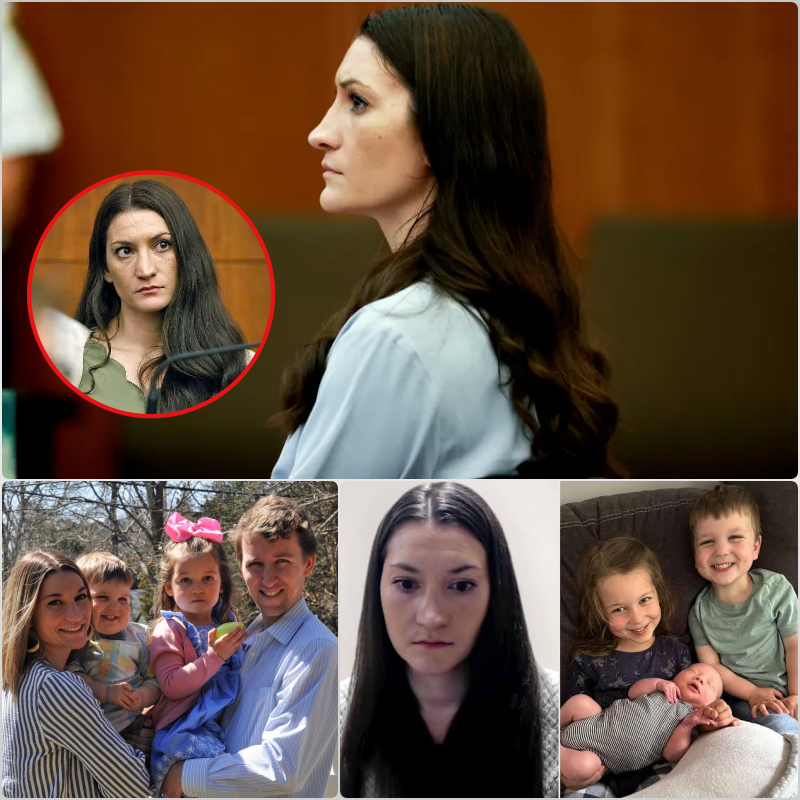
“SHE WASN’T THE WOMAN I KNEW ANYMORE” — LINDSAY CLANCY’S HUSBAND DESCRIBES THE DAYS BEFORE THE TRAGEDY
New attention surrounding the Lindsay Clancy case is focusing on testimony and statements about her severe mental-health struggles before the deaths of her three children. Her husband has described a dramatic change in her behavior, while the defense has argued that postpartum psychosis played a major role in what happened on January 24, 2023.
A FAMILY’S LIFE CHANGED IN ONE NIGHT
On January 24, 2023, Lindsay Clancy’s three young children — Cora, Dawson and Callan — died at the family home in Massachusetts.
Their deaths led to one of the most closely watched criminal cases in the state.
But behind the courtroom arguments is another story:
A family that had reportedly been struggling with Lindsay’s deteriorating mental state before the tragedy.
HER HUSBAND DESCRIBED A DRAMATIC CHANGE
Lindsay’s husband, Patrick Clancy, has previously spoken publicly about her mental-health struggles.
He has described a woman he loved who, in his account, appeared increasingly unwell in the period leading up to the deaths.
The defense has pointed to postpartum psychosis and other psychiatric factors as central to understanding her state of mind.
But those claims remain part of the legal dispute and should not be confused with a definitive judicial finding about what caused the tragedy.
THE MEDICATION QUESTION
Reports surrounding the case have also focused heavily on the number of psychiatric medications Lindsay was taking.
Her treatment history has become an important part of the defense narrative.
The argument is not simply about medication itself.
It concerns the interaction between mental illness, postpartum psychosis, treatment and Lindsay’s mental state at the time of the deaths.
Medical experts and attorneys have offered competing interpretations of those issues.
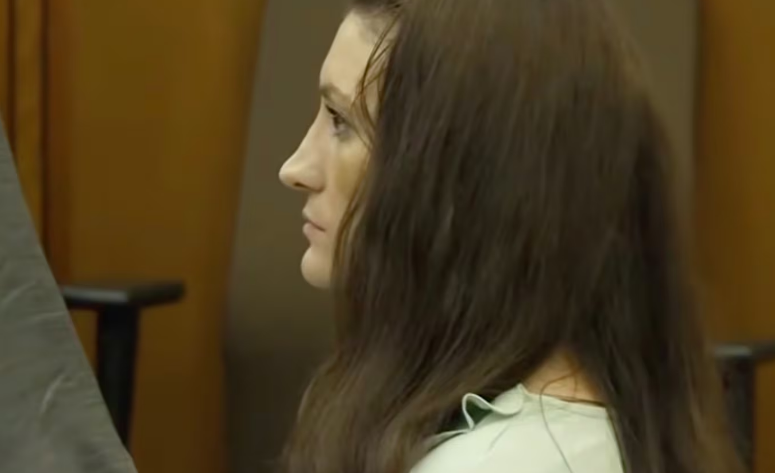 THE 25-MINUTE WINDOW
One of the most closely examined details has been the short period when Patrick left the home to pick up food.
He returned roughly 25 minutes later.
What happened during that window has become central to the prosecution’s reconstruction of events and the defense’s effort to explain Lindsay’s mental state.
That timeline is being examined through testimony, medical evidence and other evidence presented in court.
WAS THIS A PERSON “NO LONGER HERSELF”?
That question sits at the heart of the defense narrative.
Patrick has described profound changes in Lindsay before the tragedy.
The defense argues those changes were symptoms of a severe psychiatric crisis rather than evidence of a calculated decision.
Prosecutors, however, have presented their own interpretation of the evidence.
That disagreement is precisely why the case remains before the courts.
THE TRAGEDY CANNOT BE REDUCED TO ONE EXPLANATION
It would be easy to describe the case with a single headline.
But the reality is considerably more complicated.
Three children died.
A mother faces criminal proceedings.
A father lost his children and has continued to speak about the person he knew before the tragedy.
And the court must determine how the evidence should be understood under the law.
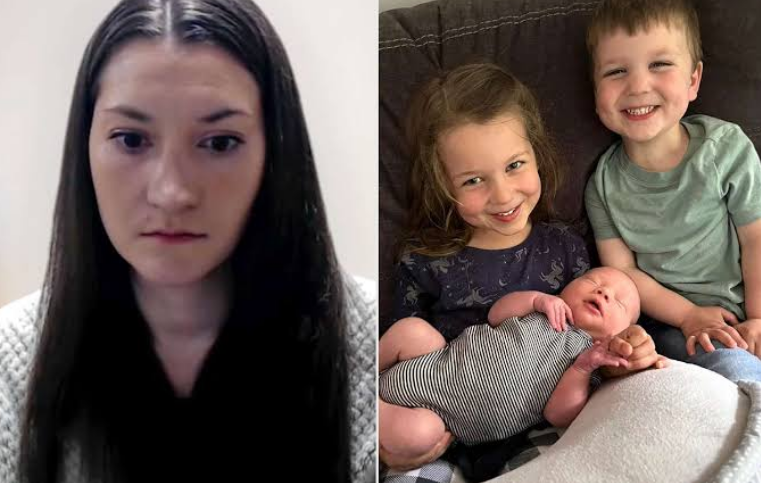 Mental illness may be central to the defense.
But the legal question of responsibility is ultimately for the court to decide.
Three young lives lost.
A mother facing serious criminal proceedings.
A defense centered on postpartum psychosis and psychiatric history.
And a father trying to explain how dramatically the person he loved had changed.
This post discusses allegations, testimony and defense arguments. It does not independently establish that medication or postpartum psychosis caused the deaths, and the defendant’s legal responsibility remains a matter for the court.