LINDSAY CLANCY DEFENSE BEGINS AS FAMILY DESCRIBES DRAMATIC CHANGES IN HER MENTAL HEALTH
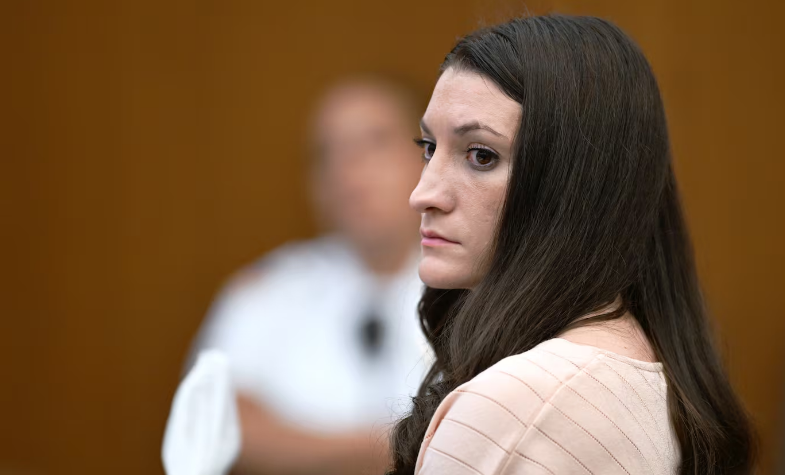
LINDSAY CLANCY DEFENSE BEGINS AS FAMILY DESCRIBES DRAMATIC CHANGES IN HER MENTAL HEALTH
PLYMOUTH COUNTY, MASSACHUSETTS — The prosecution has rested its case in the trial of former labor and delivery nurse Lindsay Clancy, shifting the focus of the proceedings to the defense and testimony about her relationship with her children and the dramatic changes in her mental health before their deaths.
Before the defense began presenting witnesses, attorney Kevin Reddington asked the judge to find Clancy not guilty based on a recent court ruling. Alternatively, he asked that the murder charges be reduced to second-degree murder.
The judge denied both requests.
The defense then called its first witnesses, beginning a presentation centered on Clancy’s history as a mother, her personality before the tragedy and what her family says was a severe deterioration in her mental state during the months leading up to January 2023.
 FORMER COWORKER DESCRIBES CLANCY AS COMPASSIONATE
The first defense witness was Margaret Hamp, a former coworker who worked with Clancy as a labor and delivery nurse.
Hamp described Clancy as kind, compassionate and deeply concerned about her children.
Her testimony was intended to give jurors a picture of Clancy before the events that led to the deaths of her three children.
The defense has argued that understanding Clancy’s mental state is critical to determining what she was capable of understanding and intending at the time of the killings.
SISTER RECALLS A DRAMATIC CHANGE
Clancy’s sister, Allison Ozaga, then testified about changes she noticed in her sister beginning around Thanksgiving 2022.
According to Ozaga, Clancy’s behavior and emotional condition had changed significantly.
Ozaga said Clancy later spoke about worsening symptoms, a negative reaction to medication and thoughts of suicide.
The testimony provided jurors with a timeline of the deterioration the defense says preceded the January 2023 tragedy.
MOTHER DESCRIBES HER DAUGHTER AS A “WONDERFUL” MOTHER
Clancy’s mother, Paula Musgrove, offered some of the most emotional testimony of the morning.
Musgrove described her daughter as a “wonderful” and fun mother before saying that she noticed a dramatic change beginning in the fall of 2022.
She recalled receiving a text from Clancy in October asking her to come stay with the family.
Clancy told her mother that she was “really sick,” suffering from severe insomnia and did not want to be alone.
Musgrove said she and her husband subsequently spent extended periods with Clancy, her husband Patrick and their children as the family attempted to help her through what appeared to be a worsening crisis.
But, according to Musgrove, Clancy’s condition did not improve.
 “DESTROYING HER MIND”
The most significant testimony before the lunch break came when Musgrove described conversations about Clancy’s medications.
Musgrove recalled Clancy saying that the medications were “destroying her mind.”
She also said Clancy expressed a desire to return to the life she had before her illness and wanted to be able to enjoy her children again.
The testimony offered jurors a glimpse into how Clancy’s family understood her condition during the months immediately preceding the deaths.
A CONVERSATION THAT LEFT THE FAMILY TERRIFIED
Musgrove then described an emotional conversation in the family’s kitchen involving Clancy, Patrick and herself.
According to Musgrove’s testimony, Clancy became nervous and told them she had experienced thoughts about harming her children.
The revelation was deeply disturbing to her family.
Musgrove’s testimony suggested that the family understood Clancy was experiencing serious psychological distress and that they were attempting to remain close to her and provide support.
The testimony is expected to become an important part of the defense’s broader argument about Clancy’s mental state.
THE CASE NOW TURNS TO THE DEFENSE
The prosecution spent its portion of the trial presenting evidence intended to establish Clancy’s criminal responsibility for the deaths of her children.
The defense is now attempting to provide jurors with a different understanding of what was happening inside Clancy’s mind during the months leading up to the tragedy.
The testimony is particularly important because the defense has raised questions about whether Clancy’s mental illness prevented her from forming the intent required for the most serious charges.
However, testimony about mental illness does not by itself determine criminal responsibility. Ultimately, jurors will have to evaluate the evidence presented by both sides and decide whether prosecutors have proved the charges beyond a reasonable doubt.
WHAT HAPPENS NEXT?
The trial is currently on a lunch break, with additional defense witnesses expected to testify when proceedings resume.
Clancy’s family members are expected to remain an important part of the defense presentation as attorneys continue examining her mental health, treatment history and behavior in the months before the deaths.
The case has drawn national attention because of the devastating deaths of Clancy’s three children and the complex questions surrounding her mental state.
As testimony continues, jurors will ultimately have to weigh two competing narratives: the prosecution’s evidence concerning what happened to the children and the defense’s argument that Clancy’s deteriorating mental condition fundamentally affected her ability to understand or control her actions.
The defense case is now underway.
This is a developing court report. Allegations and testimony presented during trial are not findings of fact unless determined by the jury or established through court proceedings. Clancy is entitled to the presumption of innocence unless and until proven guilty.