EXECUTED AFTER 20 YEARS — BUT THE DNA EVIDENCE THAT COULD HAVE CHANGED THE CASE WAS NEVER TESTED

EXECUTED AFTER 20 YEARS — BUT THE DNA EVIDENCE THAT COULD HAVE CHANGED THE CASE WAS NEVER TESTED
Twenty years.
That is how long a condemned prisoner can wait for an execution while attorneys fight through appeals, new evidence and unanswered questions.
But in this case, one question stands out above the rest:
What if crucial DNA evidence had been tested before the execution?
The possibility is at the heart of a deeply controversial death-penalty case. Evidence existed that could potentially have provided additional forensic information, yet it was never subjected to the testing that defense attorneys argued could have helped determine whether the convicted man was truly responsible.
THE CASE NEVER REALLY ENDED
The conviction may have been decades old, but the questions surrounding it never completely disappeared.
After the original trial, the defendant was sentenced to death and spent years challenging the conviction and sentence.
As forensic technology advanced, DNA testing became increasingly capable of examining evidence that investigators could not fully analyze when the case was first prosecuted.
That created a difficult dilemma.
Should evidence from an old murder case be tested again if modern science might provide answers that were unavailable at trial?
Defense attorneys argued that it should.
The stakes could not have been higher.
THE EVIDENCE WAS STILL THERE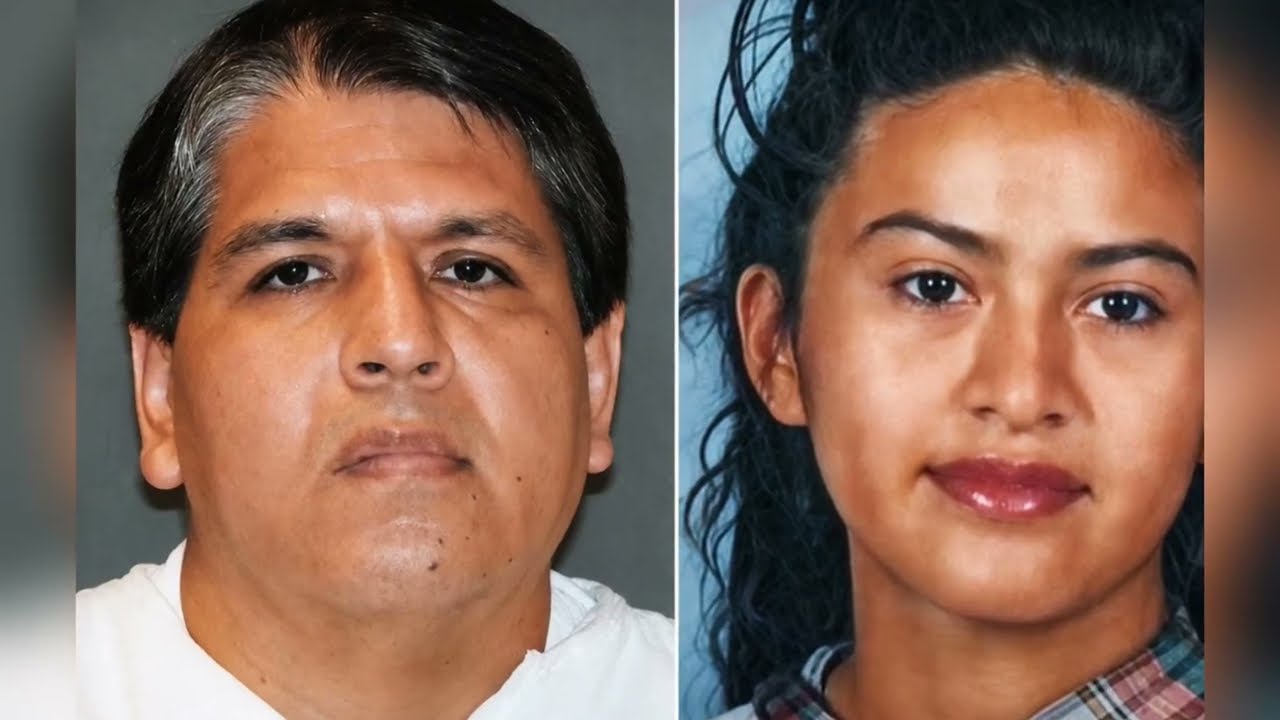
This is what makes the case so unsettling.
The issue was not simply that evidence had vanished.
Instead, questions were raised about evidence that remained available but was never subjected to the DNA testing requested by the defense.
For someone sitting on death row, that distinction can be enormous.
A DNA test can potentially exclude a person from having contributed biological material.
It can also identify another individual.
Or it can reinforce the prosecution’s original case.
But without testing, those questions remain unanswered.
THEN THE CLOCK RAN OUT
Years passed.
Appeals continued.
Attorneys continued arguing over evidence and procedure.
But eventually, the execution date arrived.
After roughly two decades on death row, the condemned prisoner was executed.
And that left an extraordinarily difficult question hanging over the case:
Could modern DNA testing have changed anything?
No one can responsibly say that untested evidence would have proven innocence.
DNA evidence does not automatically overturn a conviction.
Its significance depends on what the evidence is, where it was recovered, how it was preserved and what a scientifically valid test actually shows.
But that is precisely why defense attorneys wanted it tested.
The test itself could potentially have provided information that the courtroom never had.
THE IRREVERSIBLE PROBLEM
An execution creates a finality that no later court ruling can undo.
If new evidence emerges afterward, the legal system cannot return the person to life.
That is one of the central controversies surrounding capital punishment.
Supporters argue that decades of appeals provide extensive opportunities to challenge a conviction.
Critics counter that no legal system is perfect — and that an irreversible punishment makes unresolved forensic questions especially troubling.
This case sits directly in the middle of that debate.
WHAT WOULD THE DNA HAVE SHOWN?
That may be the question people remember most.
Would the DNA have supported the conviction?
Would it have excluded the condemned prisoner?
Could it have pointed investigators toward someone else?
Or would it have produced an inconclusive result?
Without testing, those possibilities remain hypothetical.
And that uncertainty is what makes the story so compelling.
The evidence cannot tell its story if it is never tested.
TWENTY YEARS OF WAITING — THEN NO SECOND CHANCE
For approximately 20 years, the prisoner remained on death row while the legal system considered challenges to his conviction and sentence.
Eventually, the execution was carried out.
The prison doors closed.
The legal proceedings ended.
But questions about evidence can survive long after a case is officially closed.
For the victim’s family, the most important thing may always be accountability and justice.
For the defense, the unanswered forensic questions may represent something else entirely: an opportunity that should have been pursued before an irreversible punishment was carried out.
And for the public, the case raises a question that goes far beyond one prisoner:
When potentially testable DNA evidence exists in a capital case, should every reasonable forensic avenue be exhausted before an execution becomes irreversible?
Twenty years of appeals could not answer that question.
And once the execution happened, there was no possibility of going back.
The sentence was carried out.
The evidence remained untested.
And the question of what that DNA might have revealed may never have a definitive answer.