BREAKING: OHIO “HOUSE OF HORRORS” CASE TAKES ANOTHER LEGAL TURN — FATHER SEEKS TO SILENCE PUBLIC DISCUSSION
BREAKING: OHIO “HOUSE OF HORRORS” CASE TAKES ANOTHER LEGAL TURN — FATHER SEEKS TO SILENCE PUBLIC DISCUSSION
The legal battle surrounding Ohio’s so-called “House of Horrors” case is intensifying after the father of 16 children sought court restrictions on what people involved in the case can say publicly.
The request comes as the shocking investigation continues to attract national attention — and as prosecutors, defense attorneys and the families involved prepare for a case that could become one of Ohio’s most closely watched child-neglect prosecutions.
A CASE ALREADY SURROUNDED BY QUESTIONS
The investigation began after authorities discovered 16 children, ranging in age from about 18 months to 18 years, living in extremely unsanitary and overcrowded conditions at a home in Hamden, Ohio.
Authorities alleged that many of the children had been isolated from the outside world and lacked basic necessities, including regular education and adequate medical care. The children were subsequently placed into protective custody. (New York Post)
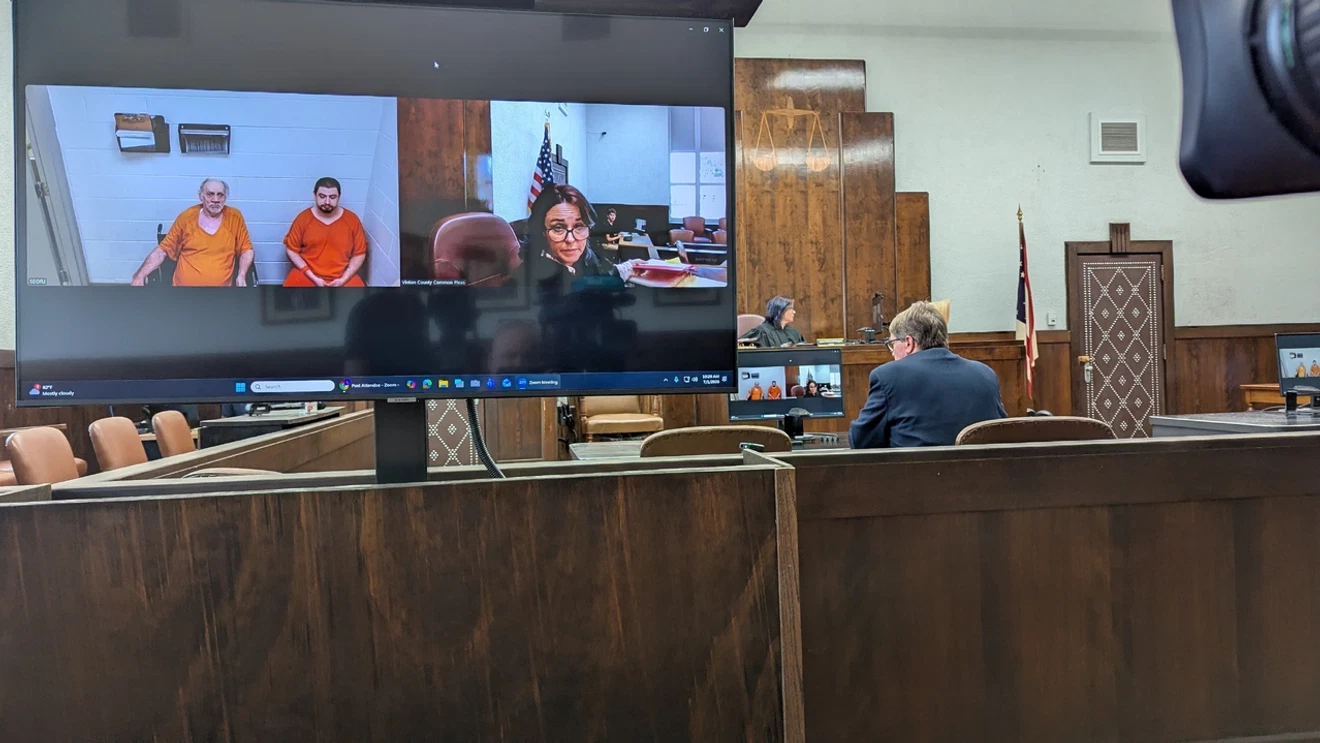
Four adults — Gary Siders Jr., Elizabeth Siders, Gary Siders Sr. and Christina “Lynn” Siders — face felony child-endangerment charges and have pleaded not guilty. (The US Sun)
Now, the courtroom fight is becoming almost as significant as the allegations themselves.
WHY DOES THE DEFENSE WANT SILENCE?
Gary Siders Jr.’s defense previously sought a gag order restricting public statements about the case.
The request was aimed at limiting statements that could potentially influence prospective jurors or interfere with the defendant’s right to a fair trial.
A gag order does not mean that a defendant has been found guilty.
It also does not prevent the court from hearing evidence.
Instead, such orders generally address what participants can publicly say outside the courtroom while criminal proceedings are underway.
In this case, the restrictions have become part of a larger legal battle over how much information the public should be allowed to hear before the case reaches trial. (Podme)
THEN ANOTHER LEGAL DEVELOPMENT EMERGED
Gary Siders Jr. has also sought a mental-competency evaluation, with his attorney asking that related psychiatric materials be kept under seal because they involve sensitive medical information. (People.com)
That request adds another layer of complexity to an already extraordinary case.
A competency evaluation is not a determination of guilt or innocence.
Instead, it addresses whether a defendant is mentally capable of understanding the proceedings and assisting in their defense.
The court must ultimately determine what, if any, evaluation is appropriate.
THE CHILDREN REMAIN AT THE CENTER OF EVERYTHING
Behind the courtroom motions and legal arguments are 16 children whose lives have been dramatically changed.
Authorities said the children were removed from the home after investigators encountered conditions they considered deeply concerning.
Some reportedly required medical treatment after their rescue, while officials described serious developmental and educational concerns. (New York Post)
For those children, the legal arguments happening in court are not simply procedural.
They could determine what happens next — including questions about custody, rehabilitation, medical care and their long-term future.
AND NOW THE PUBLIC IS WAITING
The case has generated enormous public interest.
Every new court filing creates another wave of questions.
Why was the family able to remain so isolated?
Were there warning signs that authorities missed?
How did so many children remain outside the normal school and medical systems?
And perhaps the biggest question:
How could a situation involving 16 children remain hidden for so long?
Those questions may take years to fully answer.
But investigators and prosecutors must now build their case while also protecting the defendants’ constitutional rights.
THE LEGAL BATTLE IS JUST BEGINNING
The accusations against the Siders family remain allegations unless and until proven in court.
The defendants have pleaded not guilty.
And the court process will determine what evidence can ultimately be presented to a jury.
But one thing is already clear:
This case is far from over.
With gag-order disputes, competency questions, sealed filings and an investigation involving 16 children, the courtroom battle could become nearly as complicated as the investigation that brought the family before the court.
For now, the public is left waiting.
Waiting for evidence.
Waiting for testimony.
Waiting for prosecutors to reveal what they believe happened inside that Ohio home.
And waiting for the court to determine what can — and cannot — be said while the case moves forward.
Sixteen children were rescued. Four adults face charges. And now, the fight over what the public gets to hear is becoming the latest chapter in an already extraordinary case.