Malcolm-Jamal Warner’s Widow Marks His 56th Birthday With a Family Tradition That Feels Different Without Him

For years, Malcolm-Jamal Warner’s birthday did not require a crowded room, an elaborate party or a long guest list.
What mattered most to him was being home with his wife, Tenisha Warner, and their daughter.
On Aug. 18, that deeply personal family tradition carried a very different meaning. The day would have marked Warner’s 56th birthday, but instead of celebrating with him, Tenisha and their 9-year-old daughter were facing another milestone without the actor, who died unexpectedly one year earlier.
Warner, best known to generations of viewers for his role on The Cosby Show, died at age 54 in an accidental drowning while on a family trip in Costa Rica. His death transformed ordinary family rituals into reminders of the life the three of them once shared.
On his birthday, Tenisha offered a glimpse into one of those rituals.
She explained that Warner traditionally preferred to spend the occasion quietly at home with his wife and daughter. For him, beginning another year of his life surrounded by the two people closest to him was enough.
There was, however, one playful exception to the family-only rule.
Their daughter would bring her dolls and stuffed animals into the celebration, lining them up in the dining room as honorary birthday guests. It was a small detail, but one that painted an intimate picture of Warner away from cameras and public attention — not simply as a fami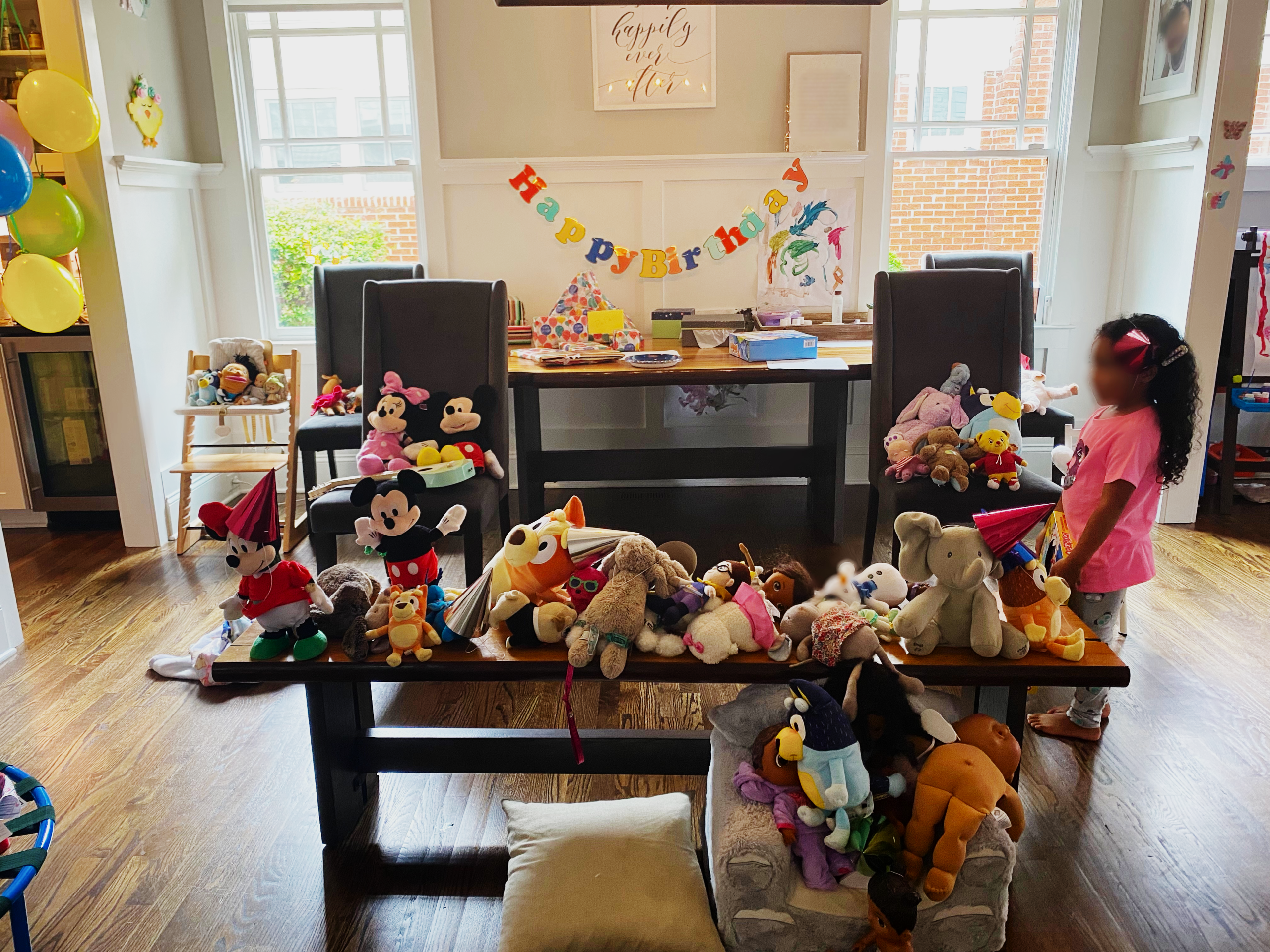 liar television star, but as a father happily participating in the imaginative world of his child.
This year, that memory came with an enormous absence.
Tenisha did not try to present the birthday as an easy or uplifting moment. She acknowledged openly that she and her daughter were struggling to understand how to continue living without Warner.
“I’m not hiding how much this hurts,” she wrote.
Her tribute centered on the connection between grief and love. Rather than treating her pain as something separate from the relationship she had lost, Tenisha described it as evidence of how deeply she had loved her husband.
Her birthday gift to Warner this year, she explained, included that pain.
The idea was simple but devastating: grief of that magnitude exists because the love behind it was equally powerful. In sharing the message publicly, Tenisha also extended the remembrance beyond herself and her daughter to the many people who had cared about Warner during his life and career.
At the center of her reflection was what she believed Warner had given his family — wholehearted love.
It is a theme Tenisha has returned to repeatedly since his death.
In an interview the previous month, she described grief not as something she and her daughter would eventually leave behind, but as something that had become part of their daily lives. Warner, she said, would remain present in the way they lived and remembered him.
“There’s no moving on,” she said of herself and their daughter.
The practical reality of the loss has also changed Tenisha’s priorities.
She explained that there are days when her emotional capacity is limited and she must carefully decide where to place the energy she has. Her daughter comes first, she said, followed by caring for herself.
In the immediate aftermath of Warner’s death, her attention turned toward the child they had raised together and the realization that she was now her daughter’s only parent.
That responsibility has become inseparable from her own grief.
For Tenisha, losing a husband also meant watching her daughter lose her father. Their mourning is shared, but each must find a way to carry it while continuing the family life Warner helped create.
The year following his death has included other significant developments as well. Tenisha has been involved in a legal dispute concerning Warner’s estate, including a lawsuit filed against his mother.
At the same time, she has worked to turn parts of the family’s experience into efforts focused on children, parents and creativity.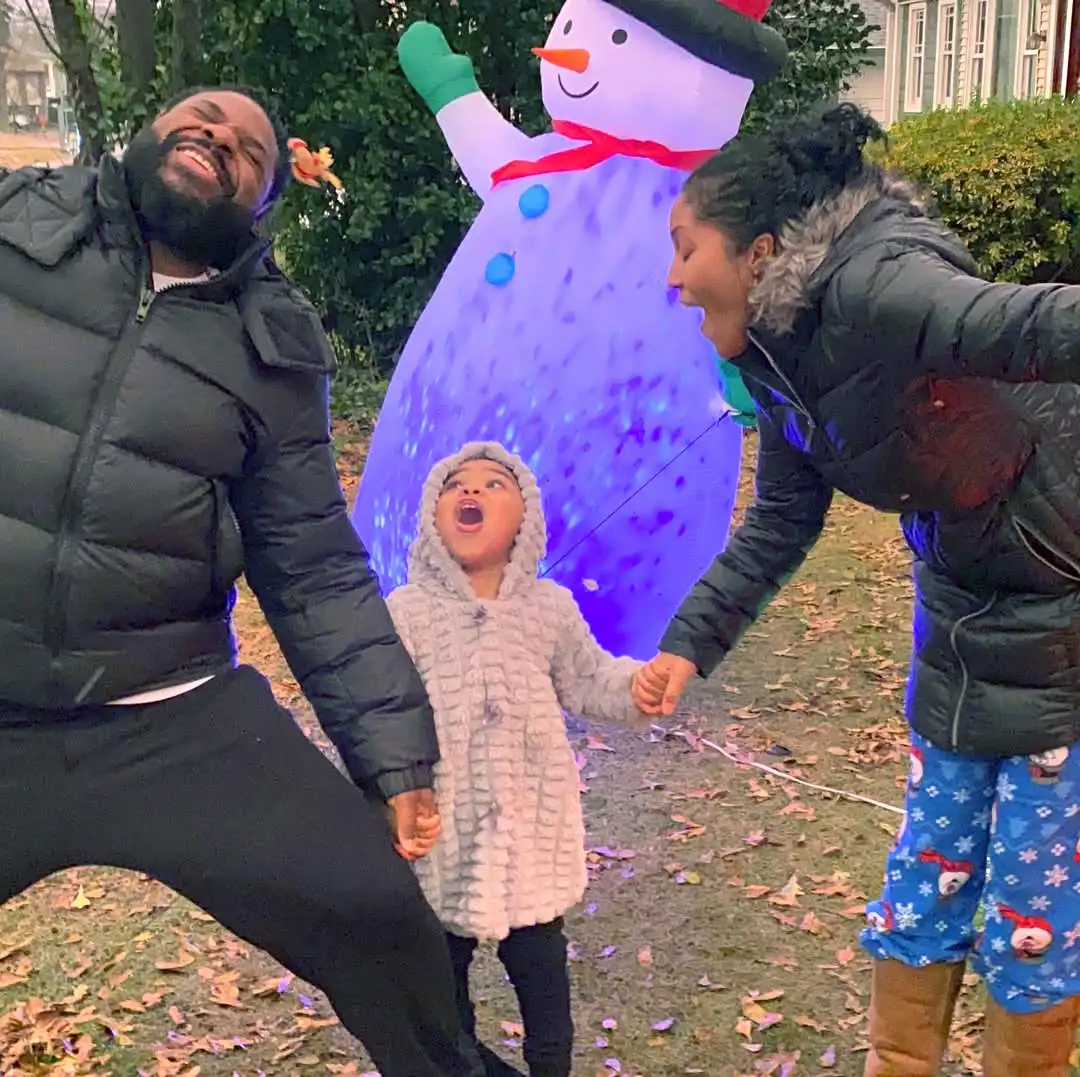
Two months after Warner’s July 20, 2025 death, Tenisha launched the Warner Family Foundation along with River & Ember, an organization intended to give parents strategies for helping children navigate difficult emotions.
When Tenisha shared a wedding photograph around what would have been the couple’s anniversary, she described still being able to remember her husband’s laugh and the emotional space he created for her dreams and tears.
She also spoke about carrying forward a legacy they had begun together — one centered on nurturing children and encouraging young artists to create freely.
That effort offers another window into how Tenisha appears to be approaching life after Warner: not by erasing the loss, but by finding ways for the love and values associated with him to continue influencing what comes next.
His birthday brought that idea back to its most intimate form.
Before his death, Aug. 18 could be celebrated around a dining table with his wife, his daughter and a collection of toys carefully assembled as party guests.
A year later, the same date has become a reminder of the family moments that can no longer happen in quite the same way.
Yet Tenisha’s tribute suggests that the tradition still carries something Warner left behind.
The birthday may now be filled with grief, but the memories surrounding it remain rooted in the ordinary things he valued most: home, family and time together.
For Tenisha and their daughter, learning how to live without him does not mean leaving those memories behind.
Instead, even on one of the hardest days of the year, they are finding ways to keep him inside the family story — through the traditions he loved, the work being carried forward in his name and the depth of a grief that reflects just how much he meant to them.