Emma Heming Willis Says One Question Helped Her Celebrate 50 While Caring for Bruce Willis

Emma Heming Willis knew turning 50 was a milestone she might one day regret letting pass quietly.
But celebrating did not feel simple.
With her husband, Bruce Willis, living with frontotemporal dementia and Emma navigating the responsibilities that have come with caring for him, a birthday party brought up emotions far more complicated than excitement.
For a while, she wasn’t even sure she wanted one.
Emma reached the milestone in June, but later explained to Hoda Kotb on the Making Space podcast that she had struggled to feel celebratory. It took encouragement from a friend — and some reflection about the future — before she decided that turning 50 deserved to be acknowledged.
She ultimately came back to one thought: years from now, she didn’t want to wonder why she had allowed such an important birthday to go by without recognizing it.
So she celebrated.
Not with an elaborate event built around spectacle, but with the things she actually wanted: tacos, margaritas and time with people she cared about.
Yet even surrounded by family and friends, another feeling followed her into the room.
Guilt.
Celebrating While Carrying Something Much Heavier
Emma’s life has changed dramatically since Bruce’s health struggles became public.
The Die Hard actor, now 71, was initially diagnosed with aphasia in 2022. In early 2023, his family shared that his condition had progressed and that he had been diagnosed with frontotemporal dementia, or FTD.
Since then, Emma has taken on the role of caregiver while she and Bruce continue raising their daughters, Mabel, 14, and Evelyn, 12.
Against that reality, an occasion focused entirely on celebrating her own life could feel emotionally difficult.
Emma acknowledged that guilt is something she continues to wrestle with. But she has also come to understand that allowing that feeling to dictate everything is not necessarily helpful.
Instead, she has found another question to return to: What would Bruce want for her?
The answer, she said, is clear.
She believes her husband would want her to enjoy herself. He would want her surrounded by friends and family. And rather than asking her to shrink her life because circumstances have become difficult, she believes he would want her to celebrate it.
That perspective helped Emma give herself permission to mark the milestone.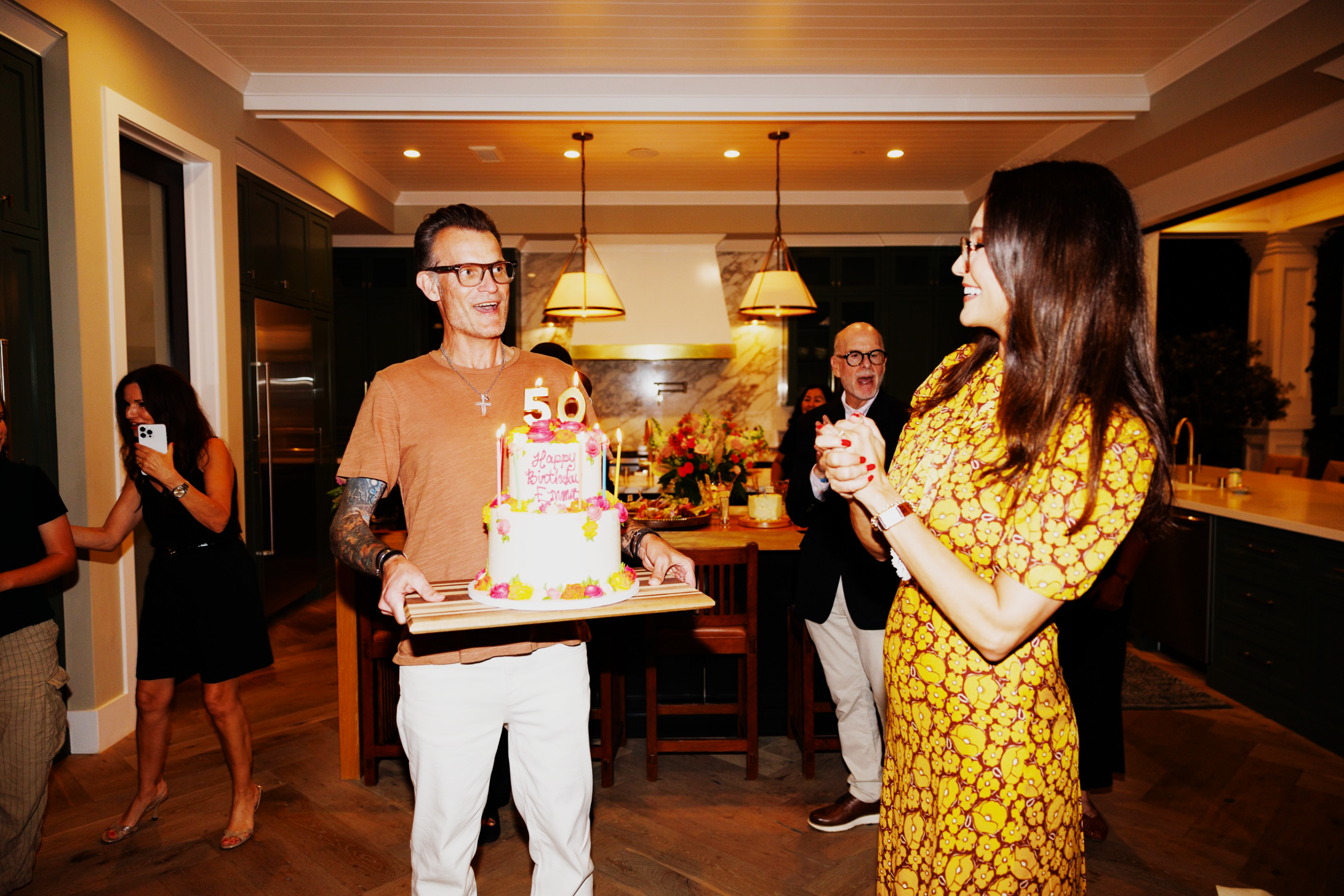
A Birthday Built Around Simple Things
Once she decided to have a party, Emma wasn’t looking for anything complicated.
Her request to friends was straightforward: she wanted tacos, a margarita and the chance to spend time with the people closest to her.
The result was what she described as an intimate and lovely night.
There was also an unexpected layer of excitement surrounding the celebration: it coincided with the New York Knicks winning the NBA championship. Emma estimated that roughly 98% of the people at her gathering were Knicks fans, turning an already special evening into an even bigger celebration for the group.
For a few hours, there was room for laughter, friendship and celebration alongside everything else her family has been carrying.
That does not mean the harder emotions disappeared.
Emma’s comments instead reveal something more complicated: joy and grief do not always arrive separately.
A caregiver can be deeply concerned about someone they love and still have a birthday. A family can be adapting to a devastating diagnosis while also making room for dinners, friendships and milestones.
For Emma, learning to hold both realities at once has become part of the journey.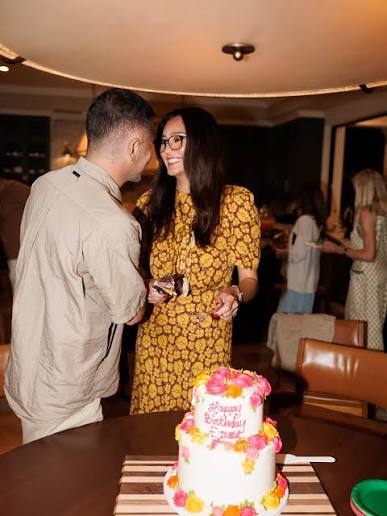
Bruce Remains Part of the Way She Makes Decisions
What stands out in Emma’s reflection is that Bruce’s illness did not make him absent from the meaning of the celebration.
In fact, thinking about him helped her decide to have it.
When guilt surfaces, Emma said she considers what her husband would want for her. She believes he would encourage a big, joyful celebration rather than want her to feel she must stop living fully.
That idea has helped reshape how she looks at moments that might otherwise feel selfish.
The birthday wasn’t about ignoring what her family is facing. It was about recognizing that caring for someone and caring for one’s own life do not have to be opposing choices.
And at 50, Emma seemed especially aware of how quickly meaningful moments can pass.
Her friend’s persistence had forced her to imagine looking back at the milestone someday and asking herself why she had skipped it.
She didn’t want that regret.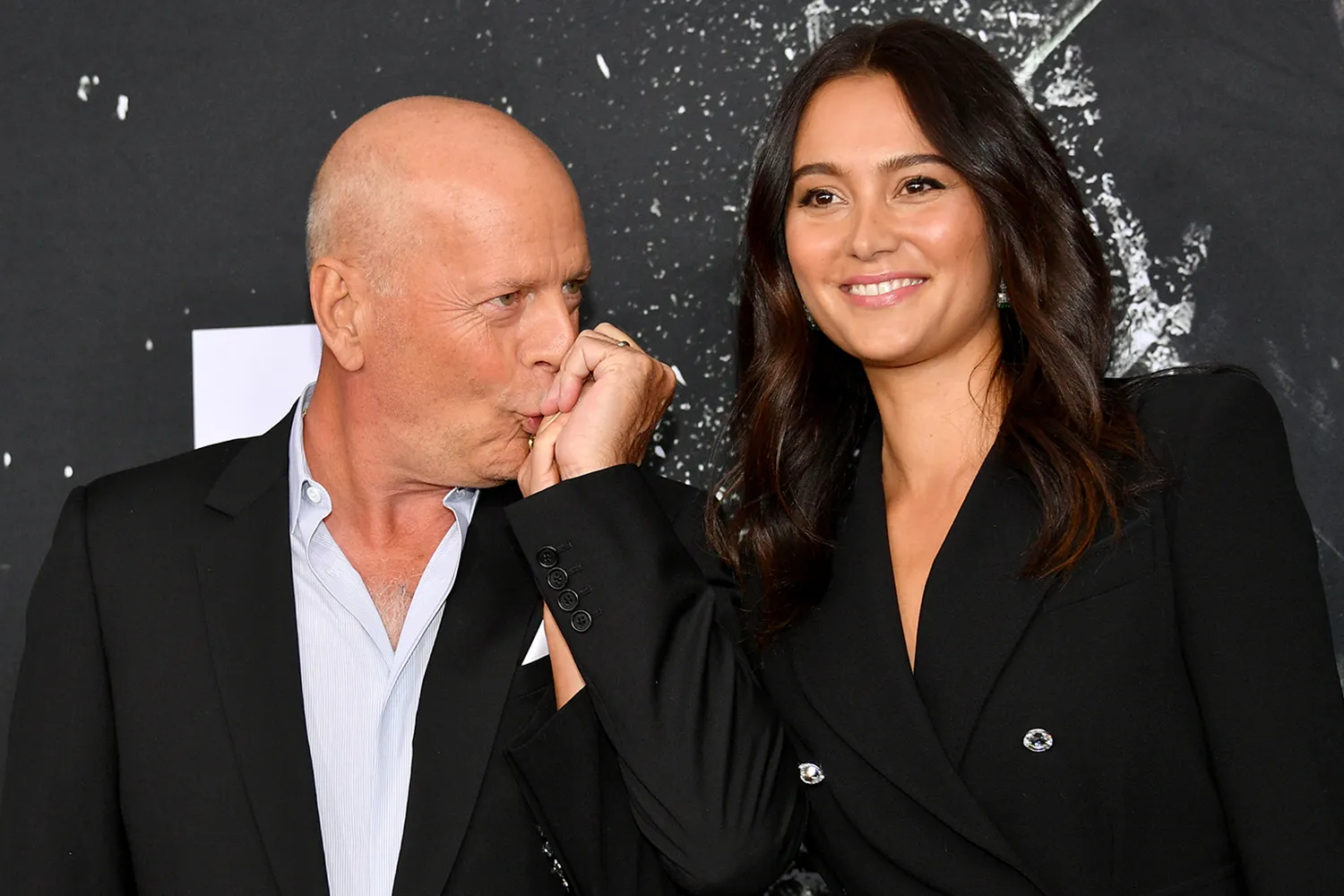
Ready to Leave Her 40s Behind
There was another reason Emma was willing to embrace the birthday: she was more than ready for a new decade.
Looking back, she described her 40s as a difficult stretch and said she had been eager to reach 50.
Rather than approaching the number with anxiety, Emma said she had heard encouraging things about entering this period of life — particularly the greater confidence that can come with it.
After the upheaval her family has experienced, that sense of stepping into a new chapter carries additional weight.
Her 50th birthday did not erase the demands of caregiving. It did not remove the uncertainty surrounding Bruce’s condition or eliminate the guilt she sometimes feels.
But she celebrated anyway.
There were friends. There was family. There were tacos and margaritas. There was an unexpectedly memorable night for a room full of Knicks fans.
And behind Emma’s decision was a simple belief about the man she has been caring for: Bruce would want her to keep finding reasons to live, connect and celebrate.
For Emma, entering her 50s appears to mean learning that making space for joy does not diminish love for someone who is struggling.
Sometimes, it can be another way of honoring that love.