REVEALED: 0.16% BAC UNDERCUTS “THREE BEERS” CLAIM IN FATAL BARNEGAT BAY BOAT CRASH
- ThanhThuy
- August 22, 2026
REVEALED: 0.16% BAC UNDERCUTS “THREE BEERS” CLAIM IN FATAL BARNEGAT BAY BOAT CRASH
A 64-year-old New Jersey grandfather told investigators he had consumed three beers before taking his grandchildren aboard his boat. A later blood test recorded a BAC of 0.16% — twice New Jersey’s legal threshold for operating a vessel.
BAYVILLE, N.J. — What began as a family boat ride across Barnegat Bay ended in tragedy when two young siblings were thrown into the water after their grandfather’s vessel struck an illuminated channel marker.
Now, toxicology evidence has become a central part of the criminal case against Stephen C. Schneider, 64, of Bayville.
According to court documents, Schneider told investigators he had consumed two Guinness beers and one Miller Lite over approximately two hours before taking the helm.
But a blood sample obtained after the crash recorded a 0.16% blood-alcohol concentration, according to the probable-cause affidavit.
 THE NIGHT EVERYTHING CHANGED
The crash occurred around 9 p.m. on July 19, 2026, near MJ’s Restaurant in Bayville.
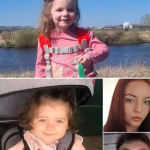
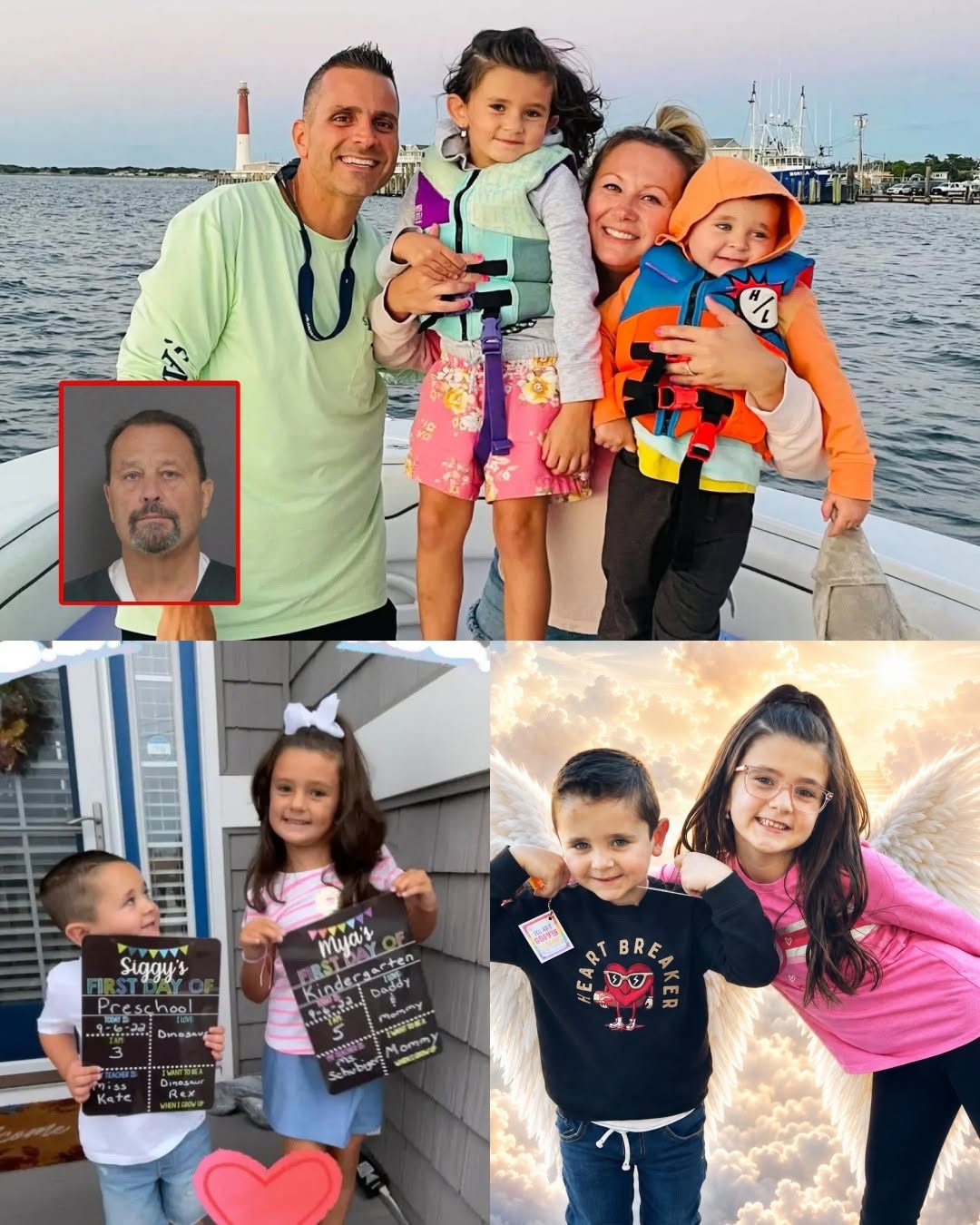
Schneider had his grandchildren, 9-year-old Mya Bella Golabek and 7-year-old Sigmund “Siggy” Paul Golabek, aboard his boat as they traveled across Barnegat Bay.
According to the affidavit, the vessel struck Intracoastal Waterway Channel Marker No. 39.
The impact threw both children into the water.
Schneider and his wife immediately began searching for them. The children were eventually found unresponsive, and CPR was started.
They were taken to Community Medical Center in Toms River, but neither survived.
 THEN CAME THE BLOOD TEST
State troopers responding to the crash reportedly observed signs of impairment in Schneider.
He was transported to the hospital, where investigators obtained a search warrant for a blood sample.
The sample was collected at approximately 12:46 a.m., several hours after the crash.
Laboratory testing later recorded Schneider’s BAC at 0.16%.
That number is significant because New Jersey’s legal threshold for operating a vessel is 0.08%.
The toxicology experts cited in the affidavit went further, concluding that Schneider’s alertness, judgment, perception, response time, coordination and sense of care and caution were markedly impaired by alcohol.
THREE BEERS VS. 0.16%
That discrepancy is now one of the most closely examined elements of the case.
Schneider reportedly told investigators that he had consumed only three beers.
The laboratory, however, measured a BAC twice the state’s legal limit.
That does not automatically prove exactly how many drinks Schneider consumed. BAC can be affected by factors including the timing of drinking, body composition, food consumption and individual metabolism.
But prosecutors can use the toxicology result as evidence of the condition Schneider was in after the crash.
The defense will have an opportunity to challenge the toxicology evidence, its timing and how it should be interpreted at trial.
WHAT ABOUT THE 12:46 A.M. SAMPLE?
The blood sample itself has become important because it provides a scientific measurement of Schneider’s alcohol level following the crash.
However, it would be premature to claim that prosecutors have uncovered additional secret toxicological substances from that sample.
The publicly reported evidence currently centers on the 0.16% BAC and the laboratory’s assessment of marked impairment.
Any additional toxicology findings would need to be established through the court record before being presented as fact.
THE CRIMINAL CHARGES
Schneider was arrested on August 14, nearly a month after the crash.
He faces two counts of second-degree reckless vessel homicide, along with charges related to operating a vessel under the influence and reckless operation of a vessel.
At a detention hearing on August 19, prosecutors argued that the 0.16 BAC demonstrated the level of impairment under which Schneider operated the boat.
The defense, meanwhile, emphasized Schneider’s limited criminal history and argued for his release while the case proceeds.
A judge ultimately ordered him released under conditions, including restrictions on operating boats and motor vehicles.
THE FAMILY’S RESPONSE ADDS ANOTHER LAYER
Perhaps one of the most unexpected developments came from the children’s own family.
According to reporting from the detention hearing, the children’s father wrote a letter supporting Schneider’s release.
The letter described him as a loving grandfather and expressed the family’s desire for him to return home while awaiting trial.
That decision illustrates the extraordinary conflict surrounding the case.
The same family mourning two children must now also navigate a criminal prosecution involving their grandfather.
THE QUESTIONS PROSECUTORS STILL HAVE TO ANSWER
The toxicology evidence may become an important part of the prosecution’s case, but it does not by itself establish every circumstance surrounding the crash.
Investigators and prosecutors will still have to address issues including:
- What exactly happened immediately before the boat struck the marker?
- How did the vessel approach the illuminated navigational aid?
- What role did darkness and visibility play?
- What was Schneider’s condition at the time he was operating the boat?
- How should the 0.16% blood result be interpreted in relation to the earlier crash?
- What evidence will ultimately establish criminal recklessness beyond a reasonable doubt?
Those questions will be tested through the legal process.
TWO CHILDREN WHO NEVER MADE IT HOME
Behind the toxicology numbers is the part of this case that cannot be reduced to a laboratory report.
Mya was 9.
Siggy was 7.
They boarded their grandfather’s boat expecting to make the trip home after spending time with family.
Instead, their journey ended in a nighttime collision on Barnegat Bay.
Their life jackets could not prevent the tragedy.
And now, prosecutors are preparing to argue that the grandfather operating the boat was significantly impaired.
For the defense, the case remains unresolved and Schneider is presumed innocent unless proven guilty.
But the 0.16% BAC result is now firmly in the public court record, standing in stark contrast to the reported claim of three beers.
As the case moves forward, that gap between what Schneider said he drank and what the laboratory found in his blood is likely to remain one of the most closely scrutinized pieces of evidence.
Two children went out on the bay with their grandfather. They never came home. Now, a single toxicology number has become a central piece of the fight to determine why.