NICU Nurse Fell in Love With a Medically Fragile Baby — Two Years Later, She Became Her Mom
During a quiet night shift in the neonatal intensive care unit, Nora Lussier held a 2-month-old baby in her arms and realized she could no longer imagine simply saying goodbye.
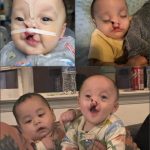
The infant, Pamela, had already spent the first weeks of her life in the custody of Massachusetts’ Department of Children and Families. She needed a feeding tube and extra medical care after being exposed to substances before birth.
For Lussier, a NICU nurse at Beverly Hospital, caring for vulnerable babies was part of the job.
But Pamela felt different.
By September 2024, after weeks of caring for her through long overnight shifts, Lussier made an unexpected decision. She placed the sleeping baby down, walked to a computer and emailed Pamela’s social worker.
She wanted to know whether she could take Pamela home herself.
That single message would eventually turn a nurse and patient into mother and daughter.
Pamela Needed More Than Routine Care
Pamela had been in state custody since birth and required a level of attention that could make finding a foster placement more difficult.
A family had initially been identified to care for her, but Pamela’s medical needs ultimately prevented that placement from moving forward.
Meanwhile, she remained at Beverly Hospital.
Lussier, then 30 and living in Salem, Massachusetts, had worked as a NICU nurse at the hospital for about four years. She became one of Pamela’s primary nurses, regularly spending long stretches of her 7 p.m.-to-7 a.m. shifts caring for the infant.
Anna McNicholas, nurse manager of the hospital’s special care nursery, said babies who have been exposed to substances often remain hospitalized longer and need additional soothing and physical comfort.
That meant nurses spent substantial time holding and consoling Pamela.
For Lussier, those hours created a bond she found difficult to explain.
Some patients simply stay with a caregiver emotionally, she said, and Pamela became one of those children.
Her coworkers noticed the connection too.
Pamela, McNicholas said, had become especially beloved throughout the unit.
Adoption Had Been in Lussier’s Mind for Years
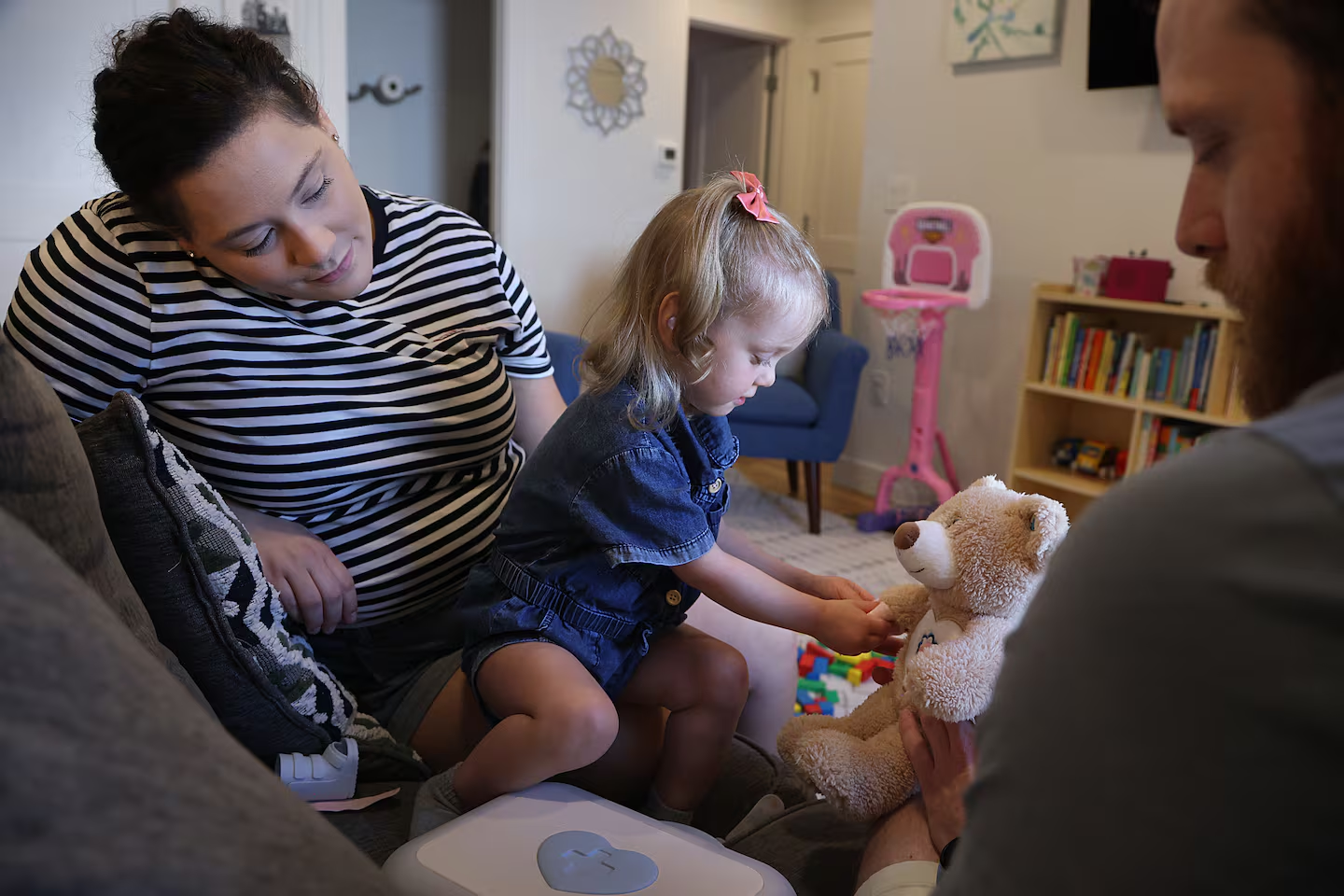
The idea of foster care or adoption was not entirely new to Lussier.
Before she and her husband, Martin Lussier, married more than three years earlier, they had already discussed the possibility of someday welcoming a child who needed a home.
Nora had been particularly interested in helping children with medical needs.
Her work had shown her how difficult it could be for medically fragile children to find suitable foster families. For people without clinical experience, feeding tubes, therapies and other health needs could understandably feel overwhelming.
For a nurse, Nora believed, some of those responsibilities might feel far more manageable.
Still, she and Martin had imagined a different timeline.
They thought they would likely have biological children first and consider adoption later.
Pamela changed that plan almost overnight.
Martin, who works in marketing, later described the situation as an unexpected turn neither of them had anticipated.
One Email Changed Their Family
Even after deciding to ask about Pamela, Nora did not expect the answer she received.
She and Martin had never been foster parents.
They had not gone through the process before, and Nora assumed the social worker would probably tell her it was not possible.
Instead, the response was enthusiastic.
Because Nora had already developed a close relationship with Pamela through her role in the NICU, the couple could potentially foster her through a process known as fictive kinship, which allows someone with a meaningful existing connection to a child to become a foster caregiver.
The process moved quickly.
After a home visit, the reality began to sink in for the couple: Pamela might actually be coming home with them.
Three weeks after Nora sent that email, she did.
What had once been a future possibility for the couple suddenly became their everyday life.
They immediately began taking steps toward making Pamela a permanent member of their family.
The NICU Team Became Part of Pamela’s Extended Family
Nora and Martin did not make the transition alone.
The nurses who had spent months caring for Pamela remained closely involved after she left the hospital.
They became what the family affectionately calls her “nurse aunties.”
Those coworkers had watched Pamela through a vulnerable beginning, and many of them had formed their own attachments to her.
When Nora became a mother sooner than expected, the NICU team stepped in to help.
Her colleagues organized a baby shower and made sure she and Martin had the supplies they needed.
And when the couple needed babysitters for a child with a complicated medical history, they had an unusually qualified support network.
McNicholas joked that having a group of NICU nurses available to care for a medically fragile child was about as ideal a situation as a new parent could hope for.
The support reflected how deeply Pamela had affected the people around her.
Long after she stopped being a patient, she remained part of the hospital family.
Two Years After Birth, Everything Became Official
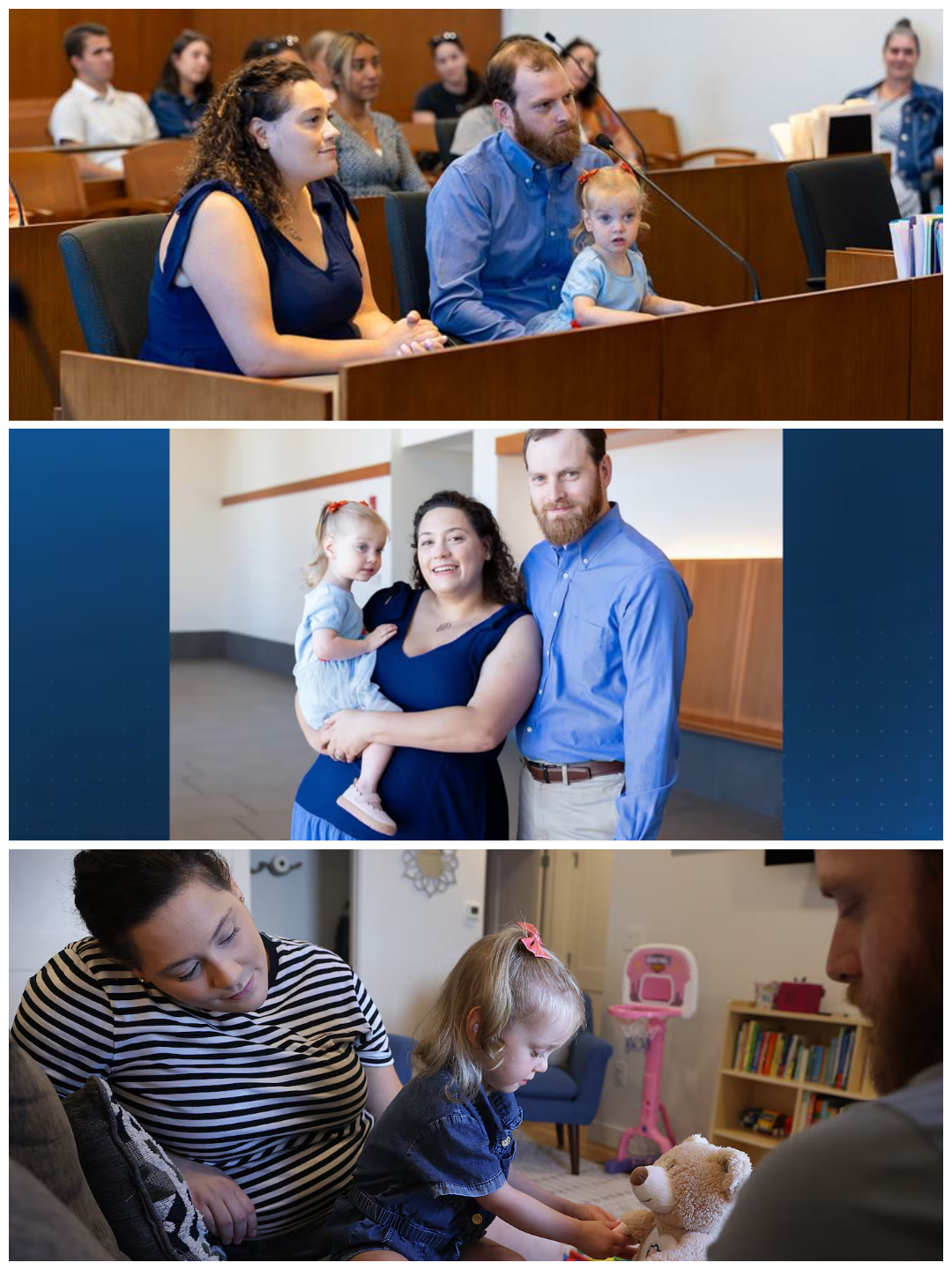
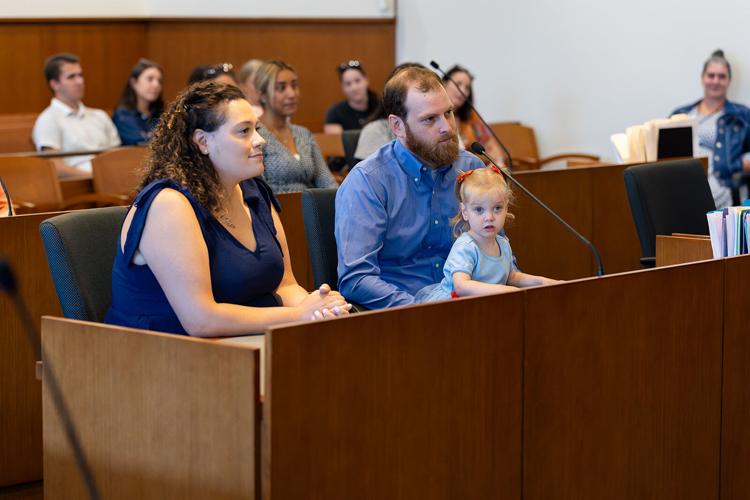
On July 10, 2026, Pamela turned 2 years old.
That morning, the Lussiers marked another milestone even bigger than her birthday.
They officially adopted her.
The adoption hearing took place earlier in the day.
Later that afternoon, friends and family gathered at a local park for pizza and ice cream to celebrate both Pamela’s birthday and the completion of a journey that had begun with a nurse quietly holding a baby during an overnight shift.
For Nora and Martin, the day made permanent what had already felt true for a long time.
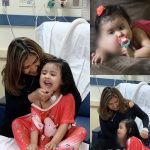
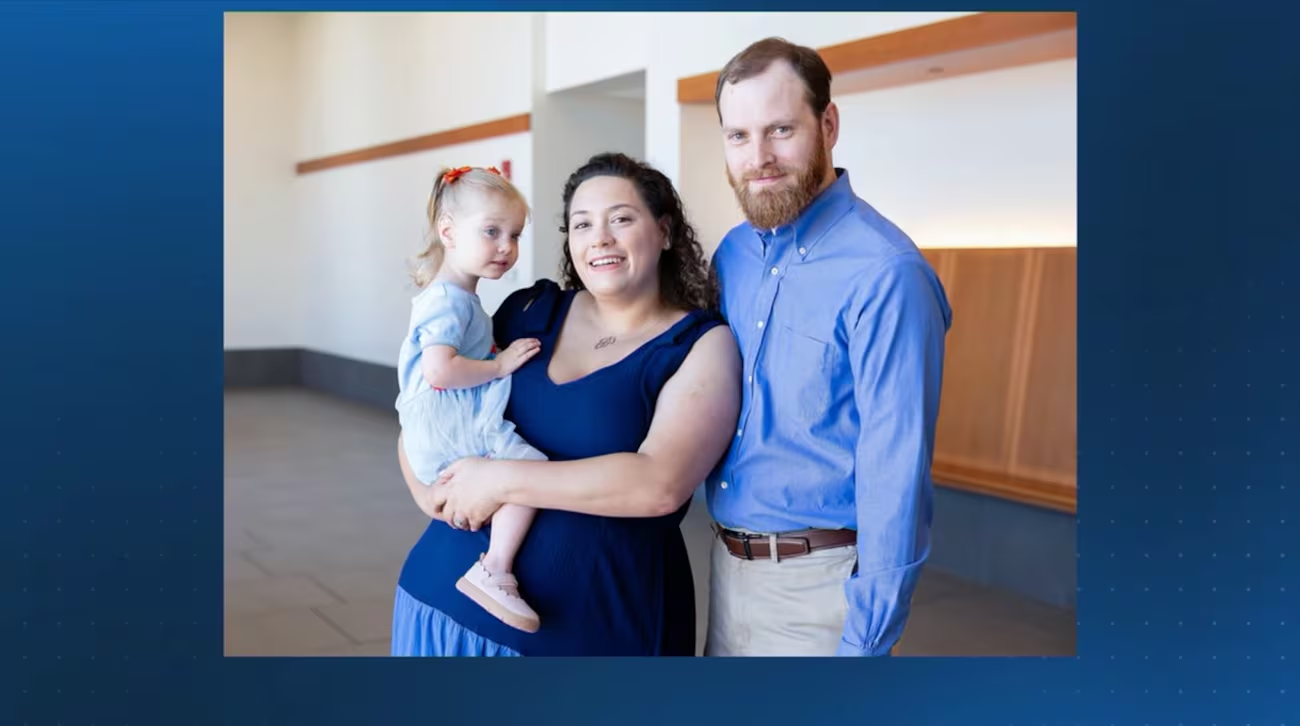
Pamela was their daughter.
Pamela Has Made Remarkable Progress
The little girl who once required a feeding tube has changed dramatically.
At 2, Pamela no longer needs the tube.
She still experiences some developmental delays connected to her condition at birth and participates in early intervention services, including speech and occupational therapy.
But Nora says her daughter is catching up quickly.
Watching that progress has become one of the most rewarding parts of parenthood.
Nora has described Pamela as energetic, funny and full of personality.
She has attitude, an unexpectedly sharp sense of comedic timing and, above all, a joyful disposition.
For the nurse who once spent three overnight shifts a week holding her in a hospital, seeing that transformation carries an entirely different meaning now.
She is not watching Pamela recover as a medical professional.
She is watching her grow as a mother.
A Relationship That Was Never Supposed to End at Discharge
There are thousands of children in Massachusetts state custody, and hundreds are adopted each year.
Many have complicated histories.
Some have medical conditions that can make finding permanent homes even harder.
Nora had understood that reality professionally long before Pamela entered her life.
What she did not know was how suddenly the issue would become personal.
She had expected to help children like Pamela from behind a hospital badge.
Instead, one of those children became her daughter.
The decision was not part of the timeline she and Martin had originally imagined for their family. It arrived unexpectedly, in the middle of a night shift, because a nurse realized that her connection to one baby had grown far beyond routine care.
Nearly two years later, Pamela’s world looks very different.
The feeding tube is gone.
She is surrounded by parents who adore her, nurses who still think of themselves as aunties and a growing circle of people who have watched her overcome a difficult beginning.
For Nora, the journey from caregiver to mother began with a simple question sent by email.
Could she bring Pamela home?
The answer changed both of their lives.