Sally Field Says One Famous Mrs. Doubtfire Reaction Was Supposed to Be Completely Different
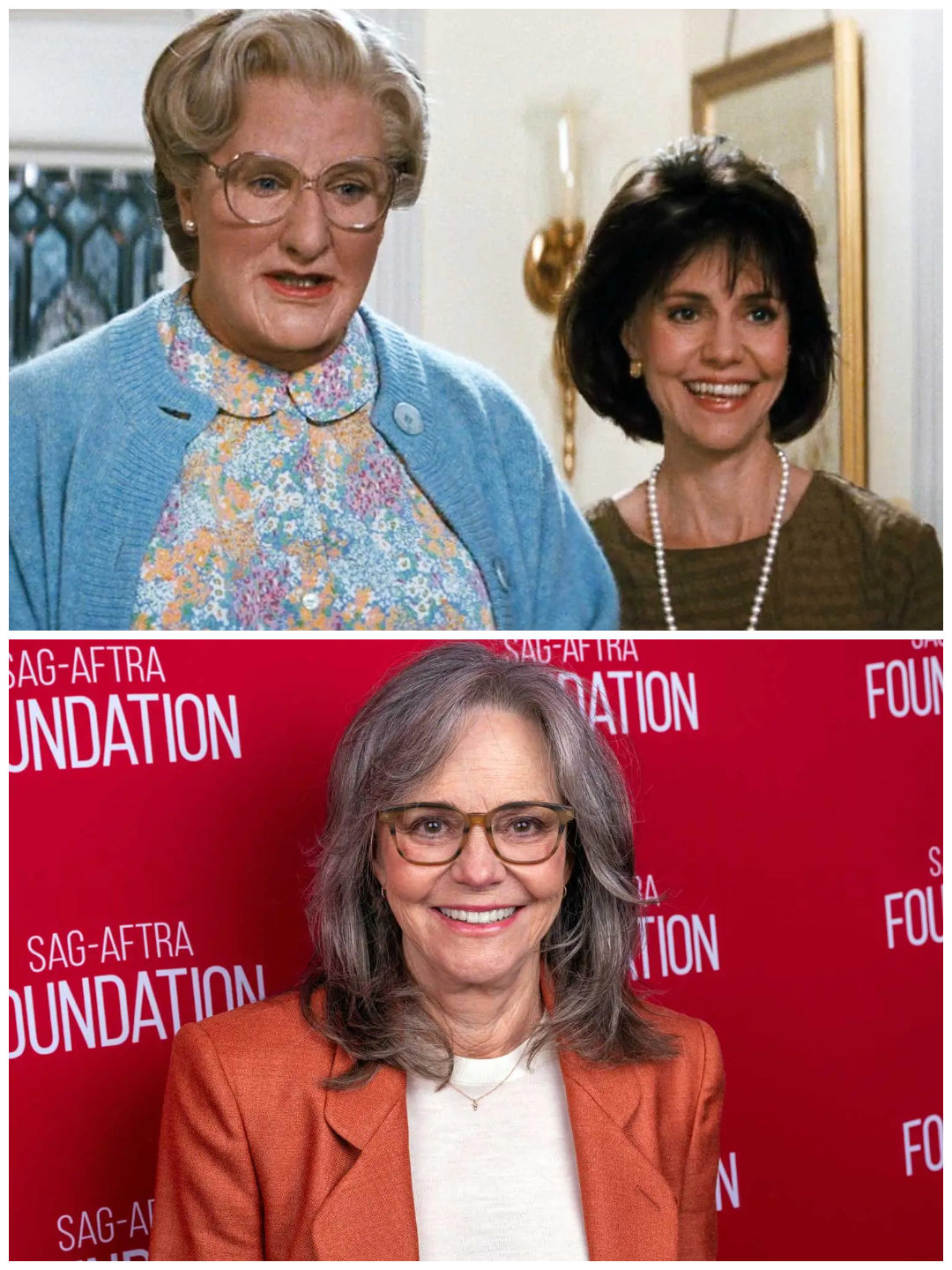
More than three decades after Mrs. Doubtfire became one of the most beloved family comedies of the 1990s, Sally Field has revealed that one of Miranda Hillard’s most memorable reactions was never supposed to play the way audiences know it.
It comes during the movie’s chaotic restaurant sequence, when Miranda finally realizes the truth about the woman who has been spending so much time inside her home.
Mrs. Doubtfire is not really an elderly Scottish housekeeper.
She is Daniel Hillard — Miranda’s estranged husband, played by Robin Williams, disguised in makeup, a wig and layers of prosthetics so he can remain close to their children.
As the truth sinks in, Miranda repeatedly says:
“The whole time.”
Again.
And again.
Each repetition becomes more frantic as the enormity — and absurdity — of Daniel’s deception hits her.
The escalating reaction has become one of those small Mrs. Doubtfire moments that fans instantly recognize.
But according to Field, that was not how the line had originally been written to play.
In fact, the script apparently called for almost the opposite reaction.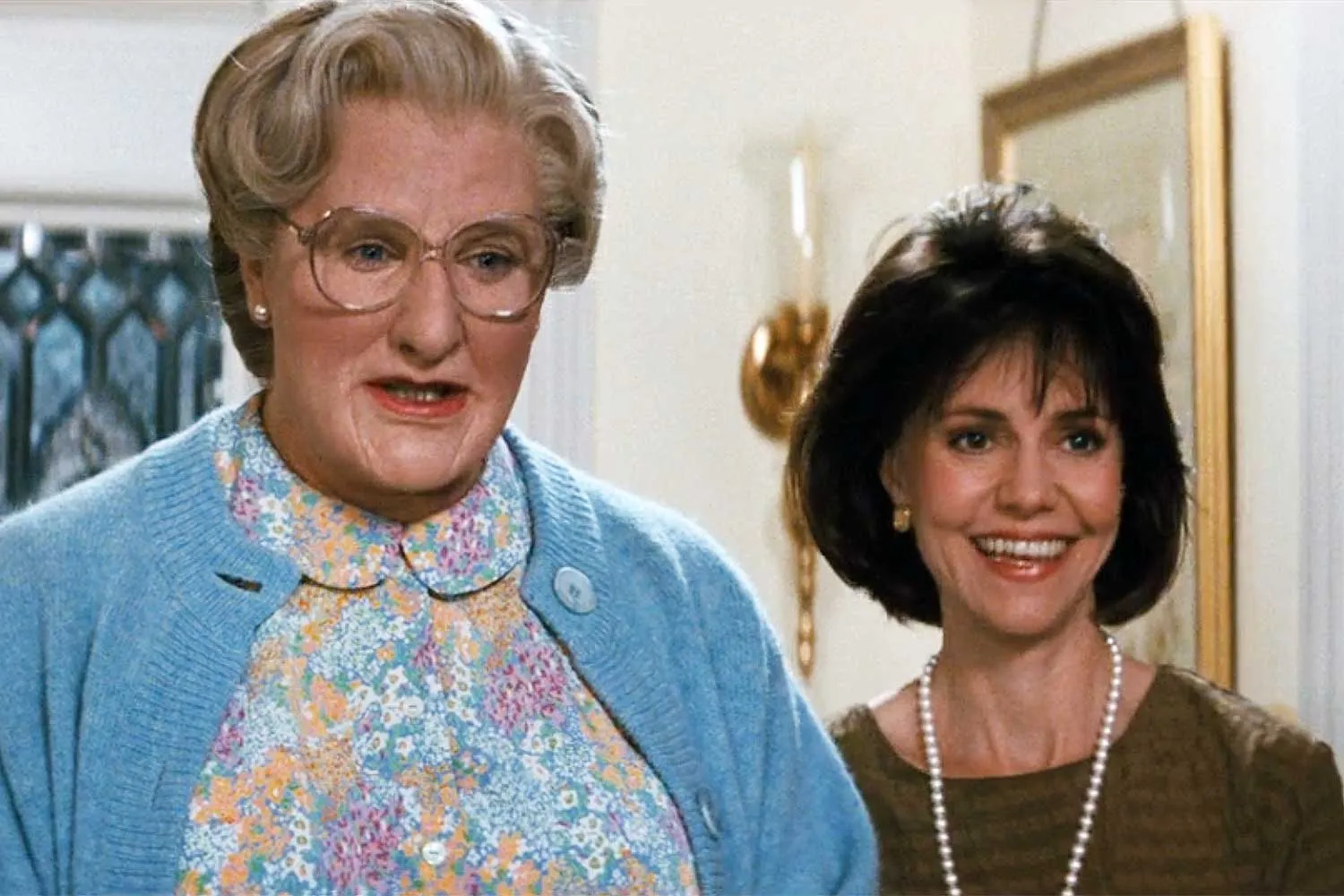
Miranda Was Supposed to Stay Calm
Field reflected on some of her best-known roles in August 2026 and explained how the famous Mrs. Doubtfire moment came together.
According to the actress, the direction for Miranda’s “the whole time” line was for her to say it “very calm.”
That would have produced a dramatically different scene.
Miranda had just learned that the person she trusted to care for her children was actually her estranged husband in an elaborate disguise. A restrained, stunned delivery could certainly have made sense.
Field went somewhere else.
Instead of keeping the reaction quiet, she allowed Miranda’s disbelief to build with every repetition.
“The whole time.”
The words become less like a simple statement and more like Miranda’s brain desperately trying to process everything that has just happened.
Field has now confirmed that the escalating delivery was an ad-lib.
It was not merely a case of saying a scripted line with slightly different emphasis. The emotional progression audiences remember came out of the improvisational environment that Field, Williams and director Chris Columbus had created during filming.
It Happens During One of the Movie’s Wildest Sequences
The revelation arrives at a particularly memorable point in the film.
Released in 1993, Mrs. Doubtfire follows Daniel Hillard after his marriage to Miranda falls apart.
Unable to spend as much time with his children as he wants, Daniel invents Mrs. Euphegenia Doubtfire, transforming himself into an older British nanny and convincing Miranda to hire him.
For much of the movie, the disguise creates comic close calls.
But eventually, Daniel’s two lives collide spectacularly at a restaurant.
He is trying to appear at the same location as both himself and Mrs. Doubtfire, racing between tables and repeatedly changing clothes and makeup.
The situation becomes increasingly impossible to control.
Then the disguise finally collapses.
For Miranda, the reveal changes everything she thought she understood about the previous weeks.
Suddenly, every conversation with Mrs. Doubtfire has a new meaning.
Every moment Daniel spent inside her home has to be reconsidered.
That is why Field’s repeated “the whole time” works so well. It captures the sensation of someone mentally replaying an entire series of events while standing in the middle of a new revelation.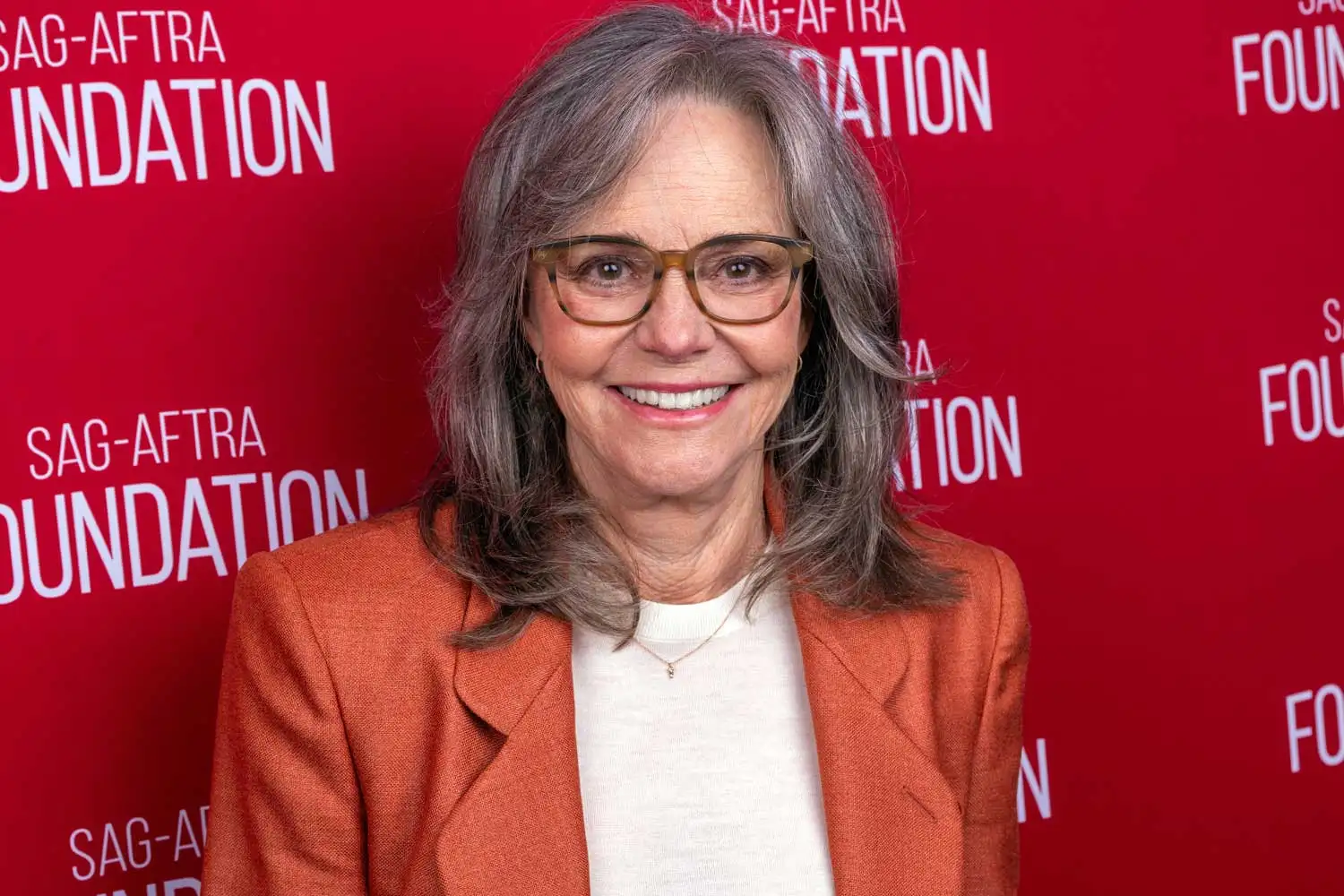
Field and Williams Had Room to Improvise
Improvisation is hardly surprising in a movie starring Robin Williams.
Williams was famous for his extraordinary ability to create jokes, voices and characters in the moment, and Mrs. Doubtfire gave him plenty of opportunities to do exactly that.
But Field’s new recollection is a reminder that the improvisational energy did not belong to Williams alone.
According to Field, Columbus created an environment in which both performers could experiment.
That freedom mattered because Miranda had a difficult role to play in the story.
On paper, Daniel is the character audiences naturally want to follow. He is funny, desperate to see his children and willing to transform himself completely to remain part of their daily lives.
That could easily have made Miranda seem like the person standing in his way.
Field and Williams did not want that.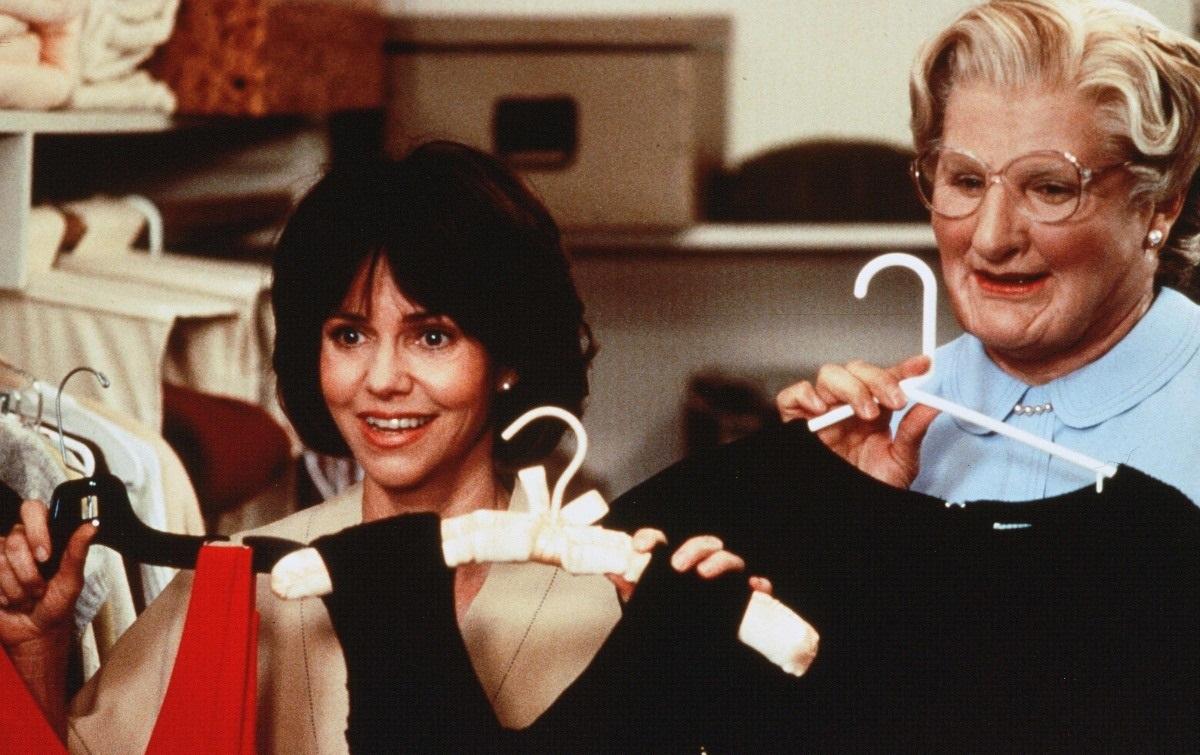
They Did Not Want Miranda to Become the Villain
The divorce at the center of Mrs. Doubtfire gives the comedy an emotional complication that many family films might have avoided.
Daniel loves his children.
But Miranda also has legitimate reasons for being frustrated with him.
He can be impulsive and irresponsible, and the strain on their marriage is real.
Field has said that she and Williams were conscious of not turning Miranda into a simple villain.
That choice is important to the restaurant reveal.
Miranda’s reaction is funny, but the situation from her perspective is also astonishing.
Her estranged husband has been secretly entering her home in disguise, helping raise their children while pretending to be an entirely different person.
Audiences may be invested in Daniel’s scheme because Williams makes it hilarious.
Miranda, however, has just discovered she has been deceived for an extended period of time.
Field’s increasingly frantic reaction allows both sides of the scene to exist at once.
It is comedy.
But Miranda’s disbelief is also completely understandable.
The Scene Came Late in Production
Field also recalled that the restaurant sequence was filmed toward the end of production and stretched across multiple days.
By then, the actors had already spent considerable time inhabiting these characters.
That may help explain why an improvised choice could feel so natural.
Field knew Miranda.
Williams knew Daniel.
And Columbus understood the rhythm between them.
Rather than treating every line as something that had to remain locked to the page, the performers had enough room to react to what was happening emotionally in the scene.
The result is one of those movie moments that feels inevitable in retrospect.
It is difficult to imagine Miranda reacting any other way.
Yet apparently, audiences almost saw a much calmer version.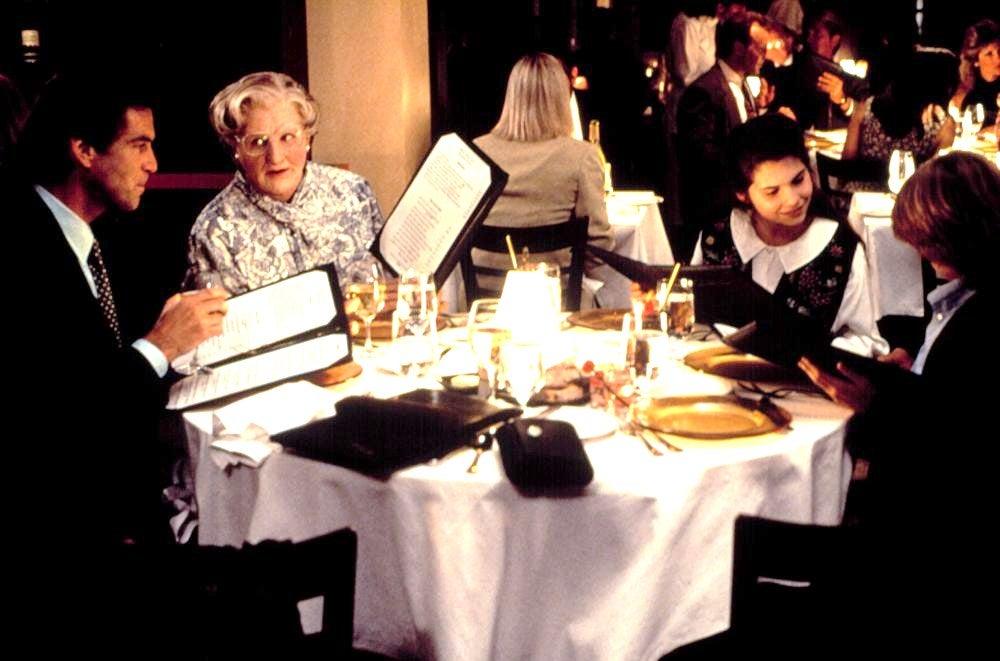
One Small Choice Changed the Entire Reaction
That is what makes Field’s revelation so satisfying for longtime fans.
There was no massive rewrite.
No deleted subplot.
No alternate ending hidden away for decades.
It was simply an actor looking at a moment and deciding that her character’s reaction should build rather than remain restrained.
That one choice changed the rhythm of the scene.
A calm “the whole time” might have emphasized shock.
Field’s version emphasizes shock turning into realization turning into near-disbelief.
And because Williams’ Daniel is standing at the center of an already absurd situation, Miranda’s escalating reaction becomes the perfect counterpoint.
More than 30 years later, viewers still remember it.
It Makes the Scene Even Better on a Rewatch
Mrs. Doubtfire has survived because its comedy is wrapped around something surprisingly emotional: two parents trying to figure out what their family looks like after their marriage ends.
Williams provides many of the movie’s biggest laughs, but Field gives the story much of its grounding.
Now fans have one more detail to watch for.
The next time Miranda discovers who has really been hiding beneath Mrs. Doubtfire’s makeup, listen to the way Field repeats those three words.
“The whole time.”
What sounds like a perfectly constructed scripted reaction was actually Field making a choice in the moment.
The script wanted Miranda calm.
Field decided she should unravel.
And more than three decades later, it is almost impossible to imagine the scene any other way.