FAMILIES DEMAND HUMAN-TRAFFICKING CHARGES AS ARIZONA SOBER-LIVING SCANDAL DEEPENS
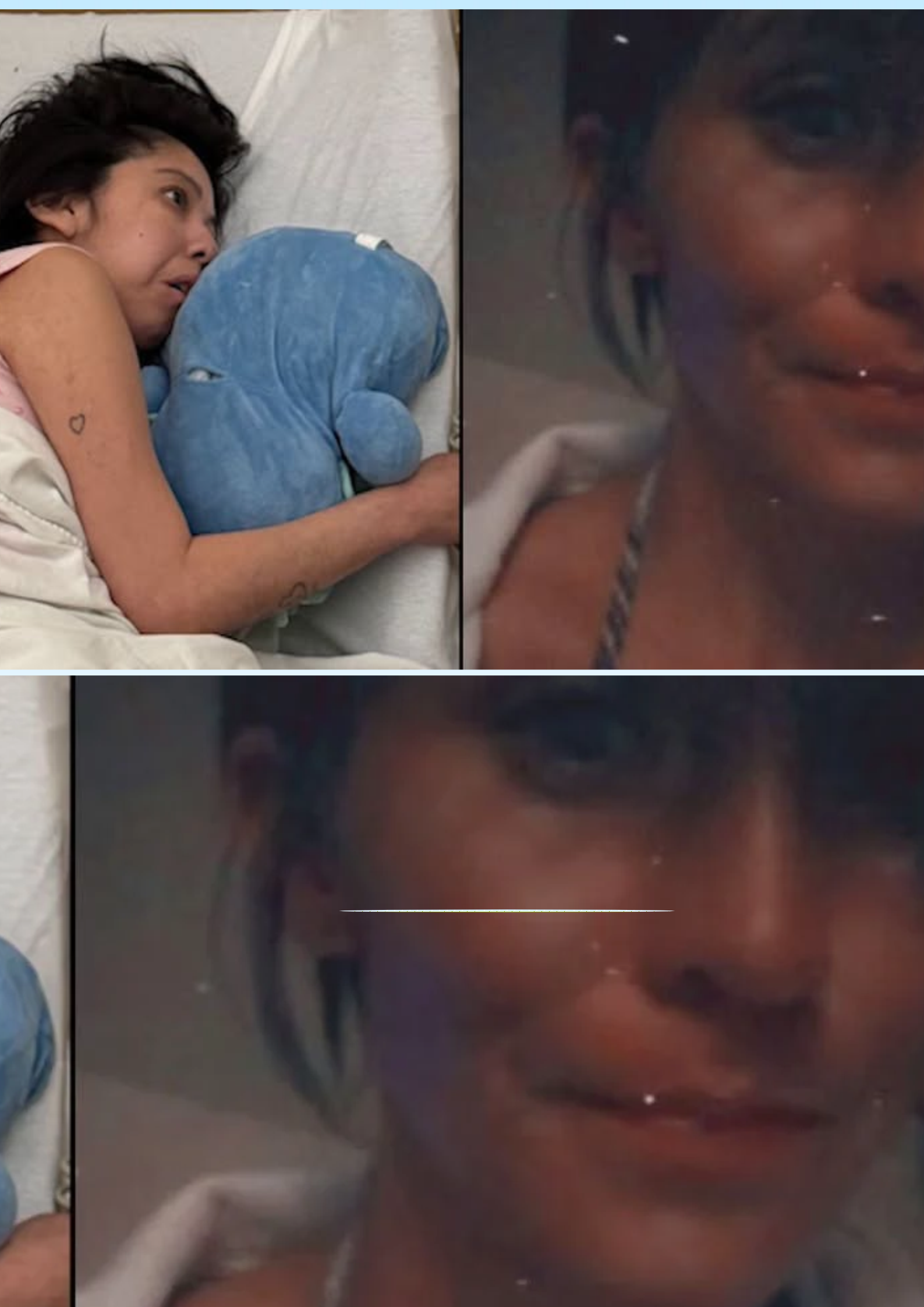
FAMILIES DEMAND HUMAN-TRAFFICKING CHARGES AS ARIZONA SOBER-LIVING SCANDAL DEEPENS
Families caught in Arizona’s massive sober-living Medicaid fraud scandal are demanding that authorities go beyond financial-crime charges — and investigate whether some operators should also face human-trafficking and abuse charges.
The demands come as the scale of the alleged scheme continues to grow.
 BILLIONS IN MEDICAID MONEY AT THE CENTER
Arizona’s Medicaid agency, AHCCCS, has acknowledged that the sober-living fraud crisis may have cost taxpayers as much as $2.5 billion. Investigations have found that vulnerable people, particularly Native Americans struggling with addiction, were targeted and recruited into fraudulent treatment networks.
A state analysis estimated the scheme cost Arizona taxpayers at least $2 billion, describing widespread exploitation of vulnerable American Indian and Alaska Native populations.
But families say the financial losses tell only part of the story.
 FAMILIES SAY PEOPLE WERE EXPLOITED
Recent reporting says families affected by the scandal are demanding that authorities consider human-trafficking charges against those they believe exploited vulnerable residents. A class-action lawsuit involving thousands of Native American plaintiffs has also accused state agencies of failing to adequately protect people caught in the system.
The allegations go far beyond fraudulent billing.
Investigations have documented people being moved between facilities, exposed to unsafe conditions and, in some cases, allegedly left without adequate treatment or support.
ProPublica and the Arizona Center for Investigative Reporting previously identified at least 40 Native American residents who died in Phoenix-area sober-living homes and treatment facilities between spring 2022 and summer 2024.
AUTHORITIES ARE ALREADY BRINGING SERIOUS CHARGES
Arizona Attorney General Kris Mayes announced 42 indictments in June 2026 involving alleged fraudulent Medicaid billing, unlicensed medical practice, drug diversion, exploitation of vulnerable adults and manslaughter.
That means the criminal investigation is no longer limited to accusations of billing fraud.
Some defendants are facing allegations involving conduct that prosecutors say directly harmed vulnerable people.
The U.S. Department of Justice is also investigating the broader AHCCCS treatment-fraud matter.
WHY DO FAMILIES WANT TRAFFICKING CHARGES?
For some families, the question is no longer simply:
“How much money was stolen?”
They want investigators to determine whether vulnerable people were deliberately recruited, controlled, moved or exploited for financial gain.
That distinction could have major legal consequences.
But human trafficking is a specific criminal offense, and whether particular defendants meet that legal threshold must ultimately be determined through evidence and prosecution.
THE HUMAN COST
Behind the billions of dollars are people who entered treatment believing they were going to receive help.
Instead, families say some became trapped in a system where vulnerable individuals could be treated as sources of Medicaid revenue.
At least 40 deaths were identified in the earlier investigative review, although authorities have not publicly attributed all of those deaths directly to the fraud scheme.
That distinction is important — but so is the scale of the suffering described by families.
BILLIONS IN ALLEGED MEDICAID FRAUD.
THOUSANDS OF VULNERABLE PEOPLE AFFECTED.
DOZENS OF DEFENDANTS FACING CRIMINAL CHARGES.
AND FAMILIES NOW DEMANDING TO KNOW WHETHER HUMAN TRAFFICKING ALSO OCCURRED.
The money may have been recovered.
The indictments may continue.
But for families who lost loved ones, financial restitution alone may never feel like justice.
Independent commentary based on court, government and investigative reporting. Allegations against individual defendants remain allegations unless established in court.