“I ONLY HAD THREE BEERS” — THE 0.16 BAC THAT CHANGED THE STEPHEN SCHNEIDER CASE
“I ONLY HAD THREE BEERS” — THE 0.16 BAC THAT CHANGED THE STEPHEN SCHNEIDER CASE
Stephen Schneider told investigators he had consumed three beers over roughly two hours before taking his grandchildren out on his boat.
Hours later, a blood sample obtained under a search warrant showed a 0.16% blood-alcohol concentration — twice New Jersey’s legal limit for operating a vessel. Prosecutors say the result demonstrated significant impairment.
 THE 12:46 A.M. BLOOD DRAW
According to the probable-cause affidavit, Schneider was taken to a hospital after the July 19 crash, and investigators obtained a warrant to collect his blood.
The sample was drawn at approximately 12:46 a.m., several hours after the crash, which occurred around 9 p.m.
Laboratory doctors later concluded that Schneider was unfit to operate a motor vehicle and that alcohol had markedly impaired his alertness, judgment, perception, response time and coordination.
BUT ONE DETAIL NEEDS CORRECTING
The available court reporting does not support saying that investigators “bypassed standard procedures” or that the warrant itself was obtained because Schneider’s three-beer statement had already been disproven.
What the records establish is that police obtained a search warrant for the blood sample after the crash, and the later toxicology result became important evidence in the case.
 WHAT HAPPENED ON THE WATER?
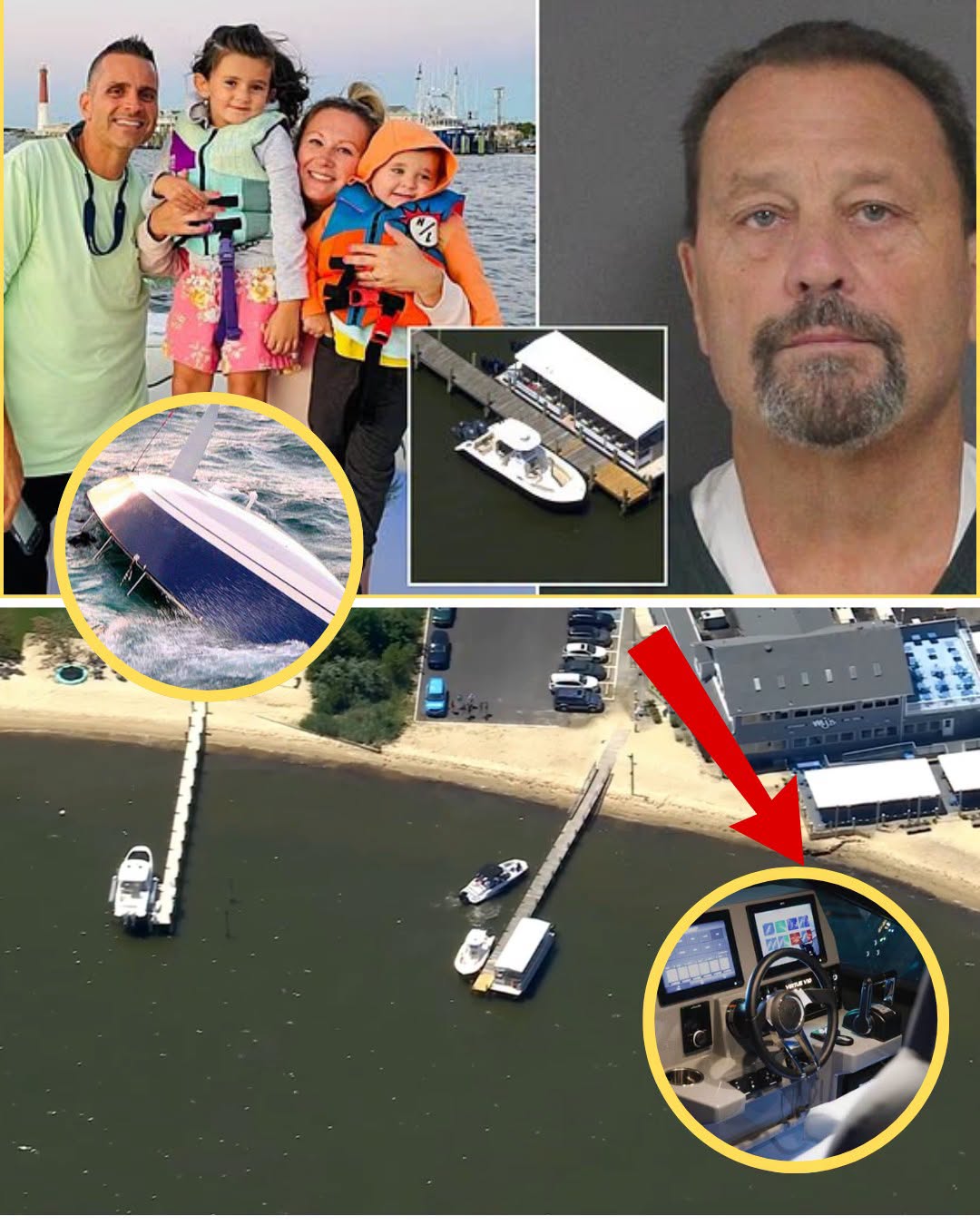
Around 9 p.m. on July 19, Schneider’s 30-foot Tidewater boat struck an Intracoastal Waterway channel marker in Barnegat Bay.
His grandchildren, 9-year-old Mya Golabek and 7-year-old Sigmund Golabek, were thrown into the water. Both were wearing life jackets, but they were later found unresponsive and died at the hospital.
Schneider told investigators he was traveling around 20 mph and saw the marker at the last moment. He also said his boat’s radar and infrared/low-light camera were operating.
THE DEFENSE HAS OTHER QUESTIONS
Schneider’s attorney has indicated that the defense intends to investigate several issues, including whether the navigation marker was properly illuminated and whether the BAC result should be independently reviewed.
However, another report citing court documents says the marker was an illuminated navigational aid and that police said its lights were functioning properly.
WHERE THE CASE STANDS
Schneider has been charged with two counts of reckless vessel homicide/death by vessel, operating a vessel under the influence and reckless operation.
A judge later granted him conditional release while the case proceeds. Schneider remains accused, not convicted, and the defense is expected to challenge aspects of the prosecution’s evidence.
Three beers was the account Schneider gave investigators. The 0.16% BAC became one of the most consequential pieces of evidence prosecutors now have.
But the courtroom battle will ultimately turn on how that evidence — and the circumstances of the crash — are interpreted.