Paul Walker Was Famous for Being Private. Jordana Brewster Says One Name Could Immediately Change His Reaction
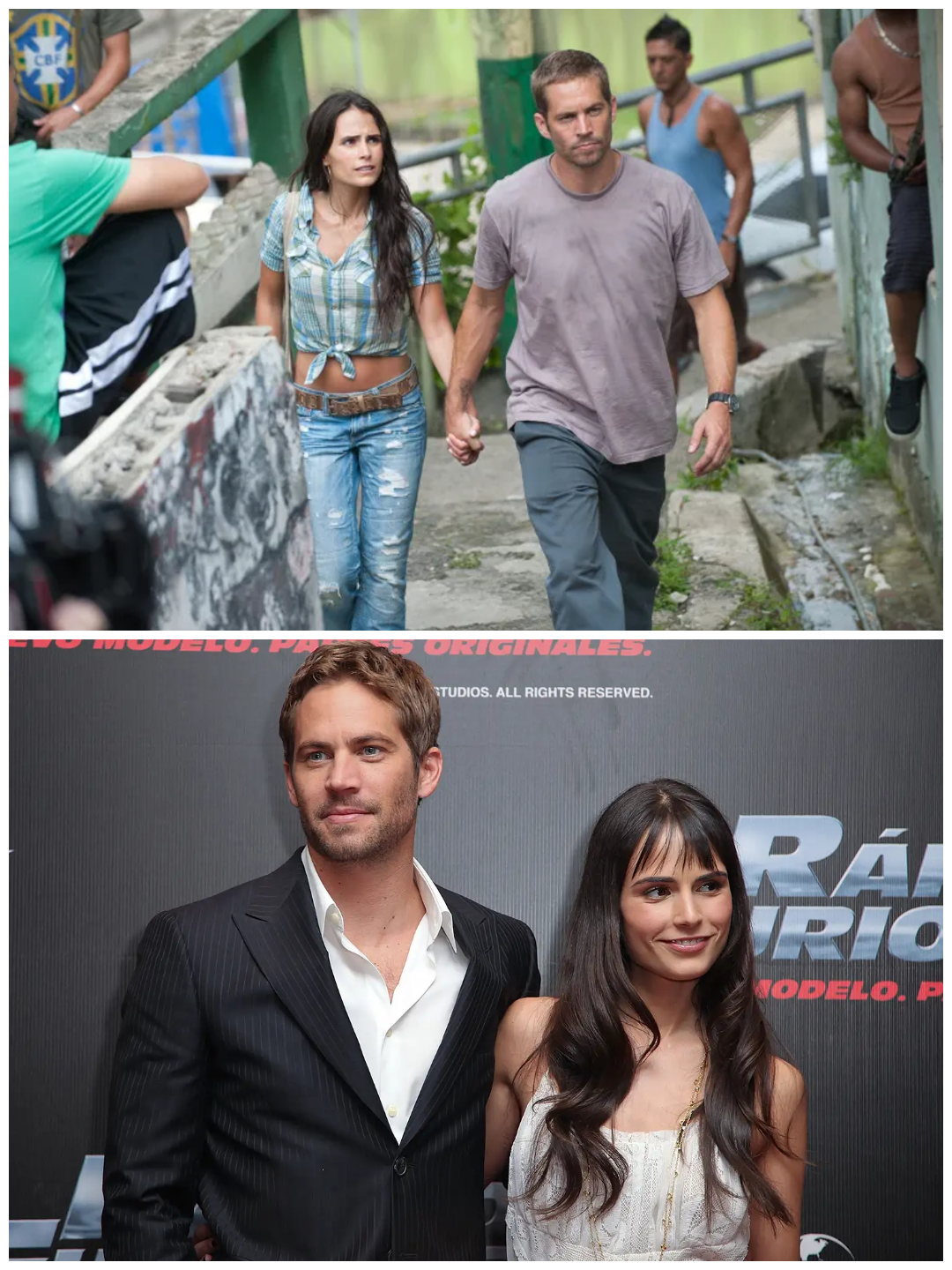
For millions of Fast & Furious fans, Paul Walker and Brian O’Conner became almost impossible to separate.
Walker first played the undercover police officer in 2001’s The Fast and the Furious, beginning a relationship with the franchise that would define much of his career. Brian’s blue Nissan Skyline, his friendship with Dominic Toretto and his romance with Mia Toretto all became permanent pieces of the series.
But off screen, Walker was far less comfortable with fame than his global popularity might suggest.
According to Jordana Brewster, who played Mia opposite him, Walker was private, grounded and not naturally drawn to the attention that came with celebrity.
Yet there was one unusual exception.
If a stranger approached him and called him “Brian” instead of Paul, Walker apparently reacted differently.
He had once explained that hearing the character’s name made him more willing to stop, engage with the person or sign an autograph.
Twenty-five years after the original movie, Brewster and Vin Diesel are now explaining why.
Walker Was Not Someone Who Chased Celebrity
Brewster reflected on her late costar in new anniversary material created around the 25th anniversary of The Fast and the Furious.
Her description of Walker focuses less on Hollywood stardom and more on how uncomfortable he could be with the machinery surrounding it.
He valued privacy.
He preferred authenticity.
And despite becoming one of the most recognizable faces in a multibillion-dollar movie franchise, he did not necessarily behave like someone who wanted strangers treating him as a celebrity everywhere he went.
That makes his rule about “Brian” especially revealing.
According to Brewster, Walker had essentially explained that there was a difference between someone approaching Paul Walker the celebrity and someone recognizing Brian O’Conner the character.
When a fan used Brian’s name, that distinction mattered to him.:max_bytes(150000):strip_icc():focal(664x422:666x424):format(webp)/Paul-Walker-Jordana-Brewster-Fast-Five-082426-670db7c80cc140eb94f6f576c835330c.jpg)
Calling Him “Brian” Could Open the Door
Brewster recalled that Walker told her he would respond more warmly if a fan came up and called him Brian.
He might stop.
He might talk.
He might sign something.
The name appeared to signal something different to him than a stranger simply recognizing Paul Walker from a magazine cover or celebrity photograph.
At first, that may sound strange.
Actors generally spend their careers making sure audiences know the difference between themselves and the characters they play.
Walker seemingly understood that distinction too.
But Brian was different.
The character had become so closely connected to him that recognition of Brian could feel almost like recognition of the work itself rather than intrusion into his private life.
That is where Vin Diesel’s explanation adds another layer.:max_bytes(150000):strip_icc():focal(794x289:796x291):format(webp)/jordana-brewster-paul-walker-1-8cb3c39b11f3493e9eab3539ccda6cc2.jpg)
Vin Diesel Says Brian Had Become Part of Paul
Diesel, who played Dominic Toretto and formed one of the franchise’s defining screen partnerships with Walker, described Brian as something Walker had invested deeply in.
Over multiple films, Walker did more than simply show up and perform lines.
He helped shape who Brian became.
That investment apparently blurred the boundary between actor and character in a way Walker himself recognized.
Diesel suggested that Brian had become part of Paul because of how much of himself Walker had poured into the role.
That helps explain why the name carried weight.
A stranger yelling “Paul” might simply be identifying a famous person.
Someone saying “Brian” was identifying a character Walker had spent years helping build.
For an actor who valued privacy, that difference could make an unexpected encounter feel more personal in a good way — almost like a fan acknowledging the work rather than demanding access to the man behind it.:max_bytes(150000):strip_icc():focal(711x549:713x551):format(webp)/Paul-Walker-Jordana-Brewster-Vin-Diesel-Fast-Five-082426-tout-c523d7767a3b4c7a866582987c910d2e.jpg)
Brian O’Conner Changed Alongside Walker
The original Brian audiences met in 2001 was very different from the character fans later came to love.
In The Fast and the Furious, Brian enters Dominic Toretto’s world as an undercover LAPD officer investigating a series of truck hijackings.
He is supposed to infiltrate Dom’s crew.
Instead, he develops loyalty to them.
He falls for Mia.
And by the end of the film, he makes a decision that permanently changes his relationship with law enforcement and with Dom.
That choice sets up Brian’s journey across the franchise.
Over time, he evolves from an outsider trying to understand Dom’s world into one of the people at the center of the family.
His friendship with Dom becomes deeper.
His relationship with Mia becomes a family of its own.
And the character’s identity moves farther away from his badge and closer to the people he chooses.
Walker grew with that transformation.
After years in the role, Brian was no longer simply a character from one successful action movie.
He had become one of the franchise’s emotional anchors.:max_bytes(150000):strip_icc():focal(749x0:751x2):format(webp)/paul-walker-fast-furious-120125-1-1bf061722a584d2898848f2fb23f8b5c.jpg)
Brewster Saw the More Private Side of Walker
Brewster’s perspective carries particular weight because her relationship with Walker stretched across multiple films.
Their characters were romantic partners, but the actors also spent years working together as the franchise expanded from a street-racing movie into a global action series.
Brewster has frequently remembered Walker as someone who remained remarkably grounded despite that growth.
That reputation fits the story about his reaction to fans.
He apparently did not reject people because he disliked the audience supporting his work.
Rather, he maintained a line between public attention and his personal identity.
Brian could cross that line.
The character gave fans a shared point of connection.
And if someone approached Walker through that connection, he could be more receptive.
Twenty-Five Years Later, the Character Still Belongs to Him
The anniversary arrives at a moment when the original movie can now be viewed as the beginning of an enormous piece of Hollywood history.
In 2001, nobody could have known exactly what The Fast and the Furious would become.
The movie introduced audiences to Dom, Brian, Mia and Letty and built its story around illegal street racing, undercover police work and loyalty.
Twenty-five years later, those characters are cultural icons.
Brian remains especially significant because Walker’s performance continues to define him.
The franchise may have expanded far beyond the scope of the original film, but fans still associate Brian’s calm demeanor, love of cars and loyalty to his friends directly with Walker.
That connection is exactly what makes Brewster’s new recollection so poignant.
Fans were not the only people who eventually blurred the line between Paul Walker and Brian O’Conner.
Walker himself apparently understood how much of his identity had become tied to the character.:max_bytes(150000):strip_icc():focal(1045x553:1047x555):format(webp)/jordana-brewster-paul-walker-fast-furious-120124-7184ecd277e14af1ae84ef94165443d6.jpg)
One Name Told Him What Kind of Fan Was Standing There
Celebrity encounters can last only a few seconds.
A fan sees someone they recognize.
They call out a name.
The celebrity decides whether to keep walking or stop.
For Walker, according to Brewster, the exact name mattered.
“Paul” identified the famous actor.
“Brian” identified something he had created.
And that distinction could be enough to change his reaction.
Twenty-five years after audiences first watched Brian O’Conner pull up beside Dominic Toretto, the character remains inseparable from the actor who played him.
Now fans know that Walker apparently felt some version of that connection too.
He may have been fiercely protective of Paul Walker’s privacy.
But if you called him Brian, there was a better chance he would stop.