DOCTORS FOUND AN EXTREMELY RARE AMOEBA IN HER SPINAL FLUID: HOW 12-YEAR-OLD KALI HARDIG DEFIED A 1% CHANCE OF SURVIVAL
DOCTORS FOUND AN EXTREMELY RARE AMOEBA IN HER SPINAL FLUID: HOW 12-YEAR-OLD KALI HARDIG DEFIED A 1% CHANCE OF SURVIVAL
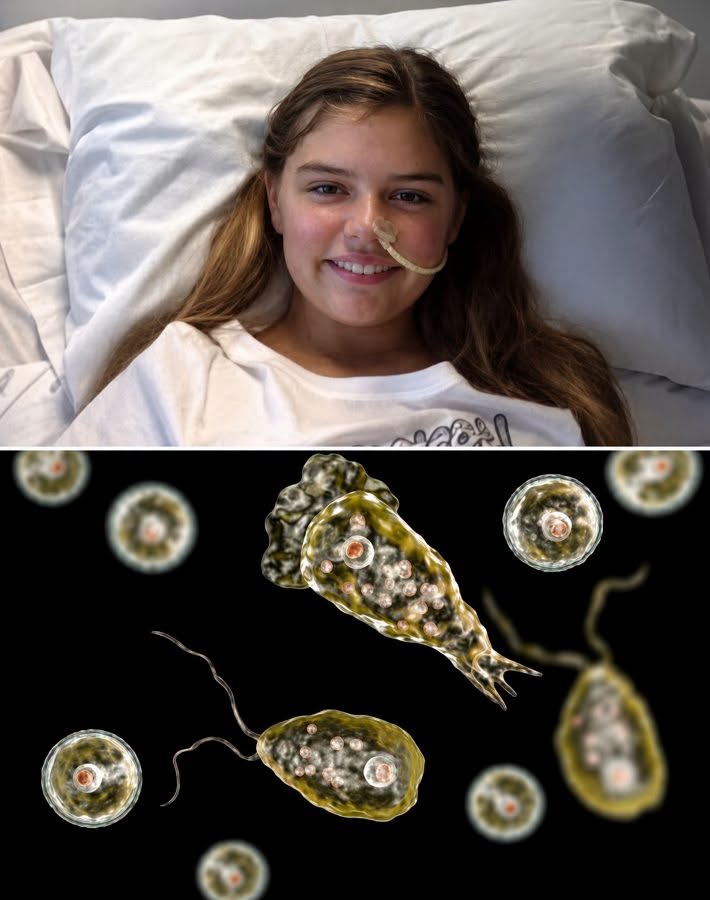
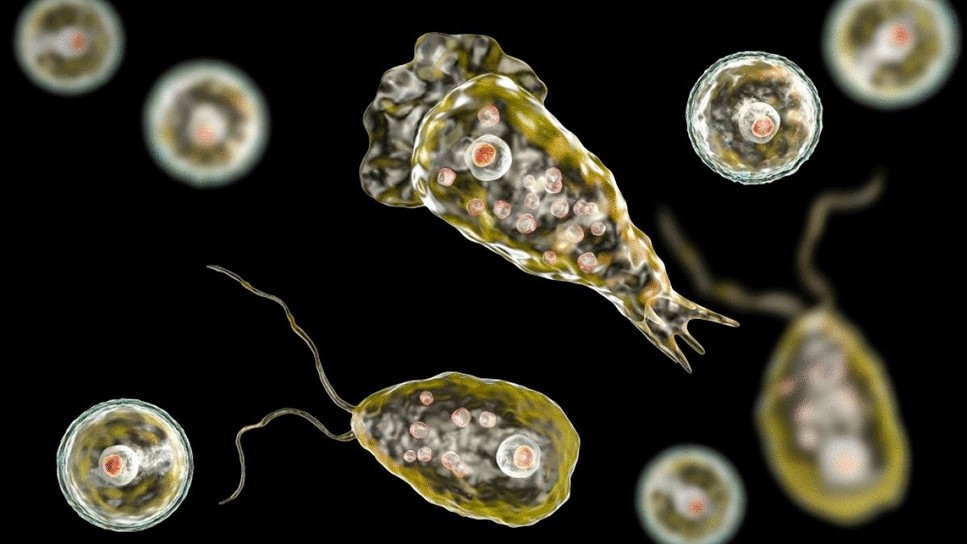
When 12-year-old Kali Hardig went swimming at a Arkansas water park in the summer of 2013, her family expected nothing more than a fun summer day. Within days, however, a severe headache, fever, and extreme fatigue escalated into a life-threatening crisis. Rushed to Arkansas Children’s Hospital on July 19, a spinal tap revealed a devastating diagnosis: Naegleria fowleri, a microscopic freshwater amoeba causing primary amebic meningoencephalitis (PAM), a brain infection with a historical survival rate near zero. Her family was told she had roughly a one percent chance to live.
Refusing to give up, her medical team launched an aggressive, multi-pronged effort. They administered standard antimicrobials while swiftly obtaining miltefosine from the CDC, a rare drug critical for fighting the parasite. To combat life-threatening brain swelling, doctors placed a ventricular drain, delivered medication directly into her spinal fluid, and induced therapeutic hypothermia by cooling her body to 32–34°C to shield her brain from damage.
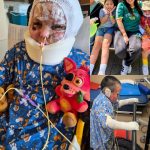
Against all odds, the relentless strategy worked. By day three, her spinal fluid was clear of active amoebas. As she gradually emerged from sedation, Kali began moving, following instructions, and eventually spoke the word “Mom.” What followed was an intensive rehabilitation process where she relearned to speak, eat, walk, and even conquered her fear of water in a hospital therapy pool.
After 55 days, Kali walked out of the hospital with a nearly complete recovery—becoming one of only three documented survivors in North America at the time. Her miracle was not a single cure, but the seamless alignment of immediate parental action, rapid laboratory diagnosis, aggressive treatment, and dedicated medical teamwork when every minute mattered.