MADELEINE MCCANN CASE: COULD NEW DNA ANALYSIS FINALLY BRING ANSWERS?
MADELEINE MCCANN CASE: COULD NEW DNA ANALYSIS FINALLY BRING ANSWERS?
PRAIA DA LUZ, Portugal — Nearly two decades after 3-year-old Madeleine McCann disappeared from her family’s vacation apartment in Praia da Luz, Portugal, investigators continue to examine evidence that could potentially shed light on one of the world’s most closely watched missing-child cases.
Madeleine vanished on May 3, 2007, while her parents were dining at a nearby restaurant. Her mother, Kate McCann, discovered that she was missing during a check on the children at around 10 p.m.
A CASE THAT HAS NEVER BEEN FORGOTTEN
Madeleine’s disappearance triggered an international investigation involving Portuguese, British and German authorities.
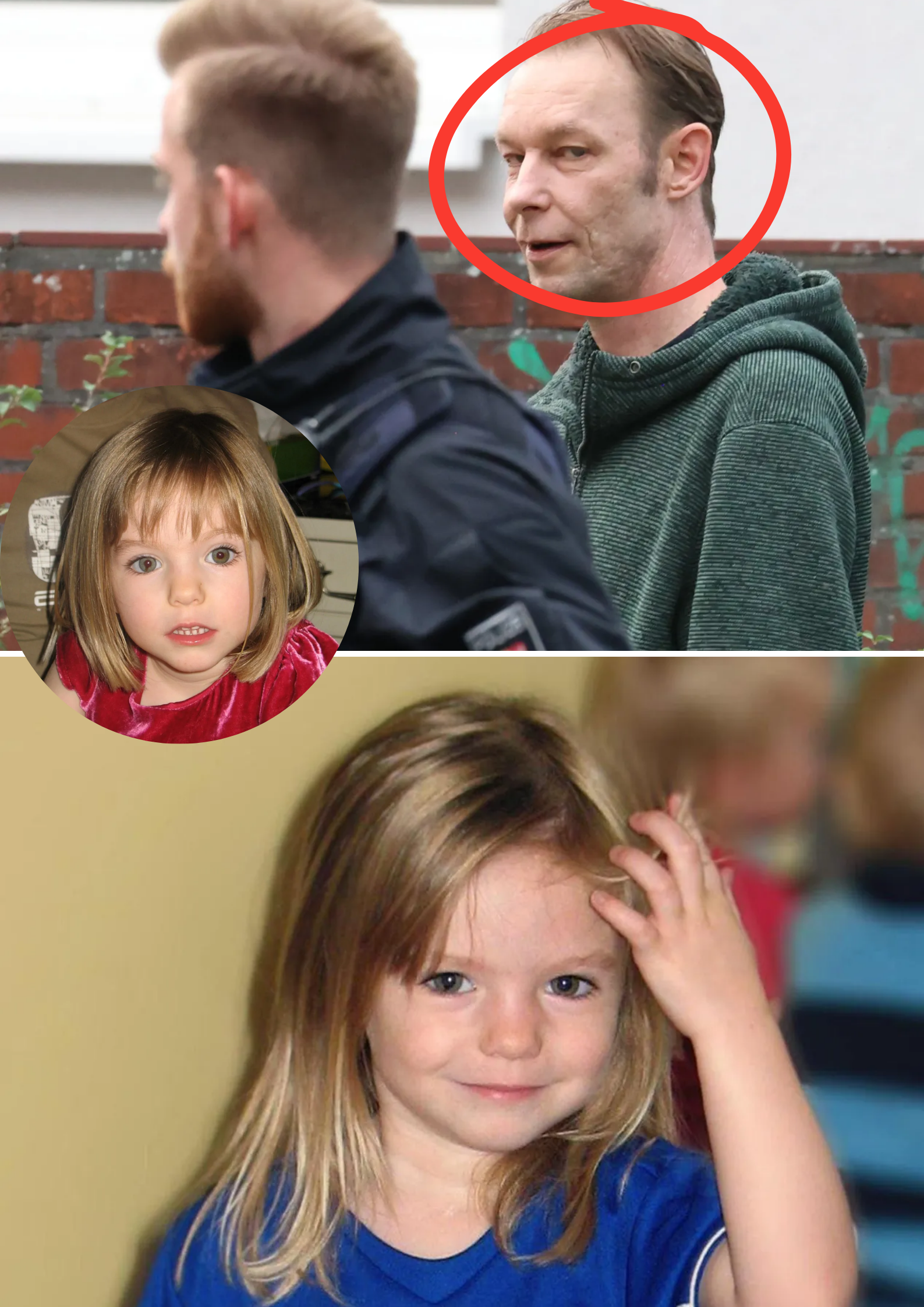
Almost 20 years later, German investigators have focused heavily on Christian Brueckner, a German convicted sex offender who was living in Portugal’s Algarve region around the time Madeleine disappeared.
German authorities have said they believe Madeleine is dead and that Brueckner was responsible. Portuguese authorities formally identified him as a suspect in 2022.
However, Brueckner has never been charged in connection with Madeleine’s disappearance and denies involvement.
 COULD DNA PROVIDE THE MISSING LINK?
Modern forensic technology has given investigators new opportunities to reexamine evidence from cases that once appeared impossible to solve.
DNA analysis remains one of the areas receiving attention in the Madeleine investigation. Evidence collected during the original investigation can potentially be subjected to more sophisticated testing as forensic methods develop.
However, there has been no publicly confirmed DNA discovery that definitively establishes what happened to Madeleine.
That distinction remains crucial: renewed forensic analysis may generate leads, but it does not automatically prove a particular theory.
BRUECKNER REMAINS THE KEY FIGURE
Brueckner’s presence in the Algarve at the time of Madeleine’s disappearance has made him a central figure in the German investigation.
Despite authorities’ belief that he was responsible, prosecutors have not brought charges against him in the Madeleine case.
The absence of a body and what investigators describe as a lack of sufficient forensic evidence have complicated efforts to turn suspicion into a criminal case.
Brueckner continues to deny that he had anything to do with Madeleine’s disappearance.
 A NEW LEGAL DEVELOPMENT
The investigation has also gained renewed attention because German prosecutors are pursuing a retrial involving Brueckner over a separate rape case.
A German court previously acquitted him in that case, but prosecutors have appealed. A hearing is scheduled for January 2027.
Although that proceeding is separate from the Madeleine investigation, developments surrounding Brueckner’s legal status could have wider implications for investigators continuing to examine the 2007 disappearance.
NO FINAL ANSWER YET
Madeleine would now be 23 years old.
Despite countless searches, reported sightings and years of international investigative work, her whereabouts have never been established publicly.
For her family, the central questions remain unchanged:
What happened to Madeleine? Where is she? And can investigators ever obtain enough evidence to establish what happened on the night she disappeared?
Nearly two decades later, new forensic technology and continuing investigative work offer potential avenues for answers — but the case remains unresolved.
Madeleine McCann disappeared as a three-year-old on a family vacation in 2007. Almost 20 years later, investigators are still searching for the evidence that could finally explain what happened.