THE DEFENSE HAS FOUND ITS SECOND BATTLEFRONT: STEPHEN SCHNEIDER’S ATTORNEYS CHALLENGE MORE THAN THE ALCOHOL EVIDENCE
THE DEFENSE HAS FOUND ITS SECOND BATTLEFRONT: STEPHEN SCHNEIDER’S ATTORNEYS CHALLENGE MORE THAN THE ALCOHOL EVIDENCE
NEW JERSEY — The legal battle surrounding Stephen Schneider is moving beyond the question of alcohol as his defense team examines another potentially critical issue in the fatal boating crash that killed his two grandchildren.
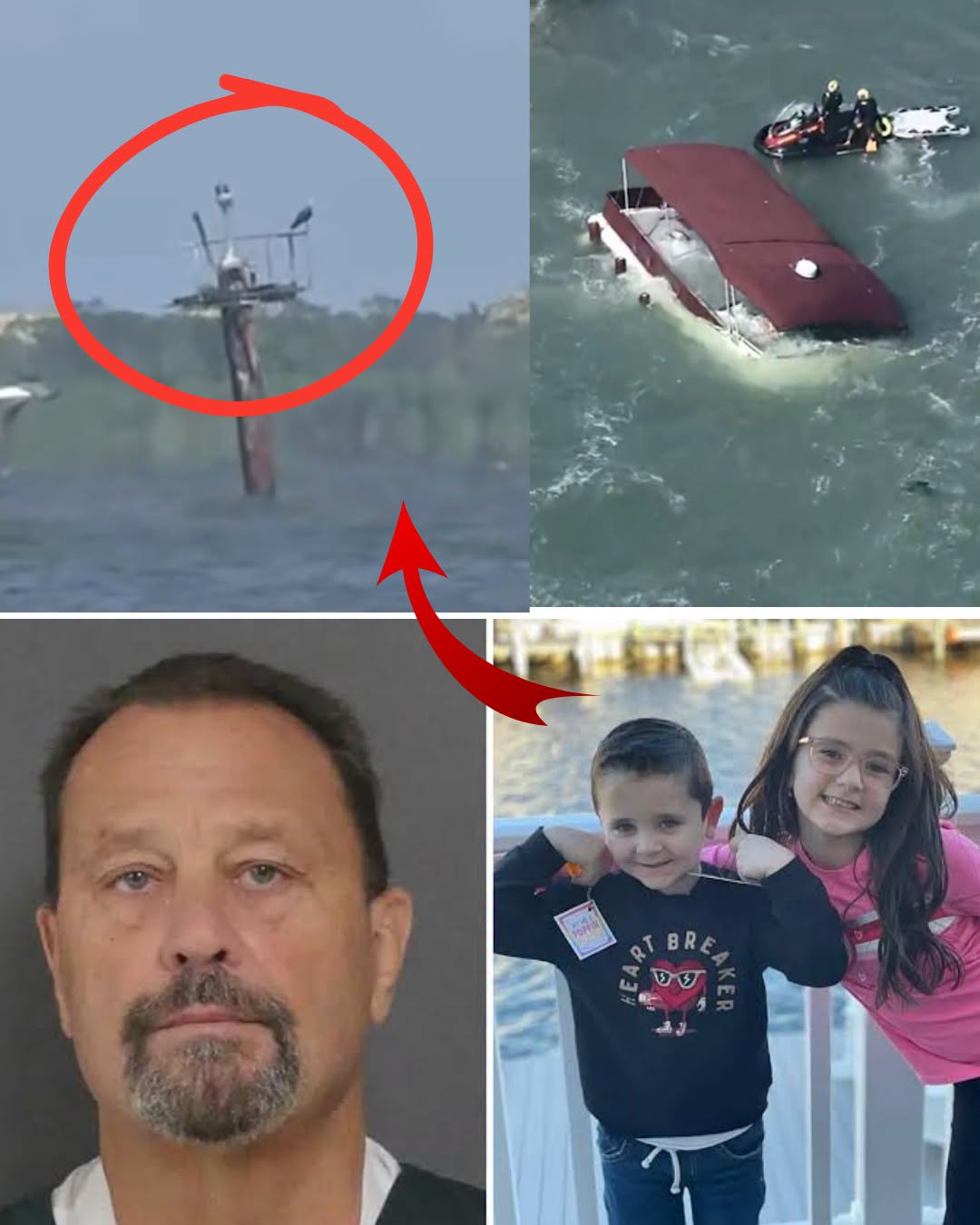
A 0.16% blood alcohol concentration has become a major piece of evidence for prosecutors following the deaths of Mya, 9, and Sigmund, 7. But Schneider’s attorneys are now looking closely at the physical circumstances surrounding the collision — including the channel marker and how visible it was at night.
That could give the defense a second front in its effort to challenge the prosecution’s account of what caused the crash.
 THE 0.16% BAC AT THE CENTER OF THE CASE
Schneider was operating a boat carrying his grandchildren when it collided with a channel marker.
The crash sent Mya and Sigmund into the water. Both children died.
Investigators later determined that Schneider’s blood alcohol level was 0.16%, more than twice the legal limit for operating a boat in New Jersey.
For prosecutors, that evidence is central to the argument that Schneider was dangerously impaired while behind the helm.
But the defense is examining whether alcohol alone explains the collision.
 NOW THE MARKER’S VISIBILITY IS UNDER SCRUTINY
Schneider’s attorneys are investigating the conditions surrounding the channel marker involved in the crash.
One question is particularly important: Could Schneider clearly see the marker in the darkness before the collision?
Visibility on the water can depend on numerous factors, including lighting, weather, distance, the position of the vessel and the appearance of navigational markers.
If the defense can establish that the marker was difficult to see under the conditions that night, attorneys could argue that the circumstances of the crash were more complicated than simply pointing to Schneider’s BAC.
That argument would not necessarily eliminate the alcohol evidence. Instead, it could challenge the prosecution’s explanation of how the collision occurred.
WHAT HAPPENED IN THOSE FINAL MOMENTS?
The investigation is now focused on reconstructing the seconds before impact.
How fast was the boat traveling?
When should the marker have become visible?
How much time would a sober operator have had to react?
And how did Schneider’s alleged impairment affect his ability to recognize and respond to the danger?
Those questions could become crucial if the case proceeds to trial.
THE BOAT AND BLOOD EVIDENCE TELL DIFFERENT PARTS OF THE STORY
The prosecution’s case is expected to rely heavily on physical and toxicological evidence.
The blood-alcohol result provides evidence of Schneider’s condition.
The boat and channel marker provide evidence about the physical mechanics of the collision.
Together, investigators can use those pieces of evidence to reconstruct what happened.
The defense, however, can challenge how that evidence is interpreted — particularly if questions remain about visibility and reaction time.
TWO CHILDREN NEVER CAME HOME
Behind the legal arguments are the lives of two young children.
Mya and Sigmund were on what should have been a family outing when the collision occurred.
Instead, their deaths have left their family facing an unimaginable loss and Schneider facing serious criminal allegations.
The courtroom will ultimately have to separate the heartbreaking outcome from the legal question of responsibility.
A SECOND BATTLEFRONT TAKES SHAPE
The case is therefore becoming about more than one number.
The 0.16% BAC will remain a powerful piece of evidence for prosecutors. But the defense is signaling that it intends to examine every physical condition surrounding the crash, including the channel marker, nighttime visibility and what could realistically have been seen from the helm.
The central question may ultimately come down to this:
Was the fatal collision caused by Schneider’s alleged impairment, the conditions on the water, or a combination of factors?
As attorneys prepare their competing versions of the crash, the marker, the boat and the blood evidence are becoming pieces of one much larger puzzle — a puzzle that began with a family boat ride and ended with the deaths of two children.