STEPHEN SCHNEIDER’S DEFENSE OPENS A SECOND FRONT — NOW THE BOAT, CHANNEL MARKER AND NIGHTTIME VISIBILITY ARE UNDER SCRUTINY
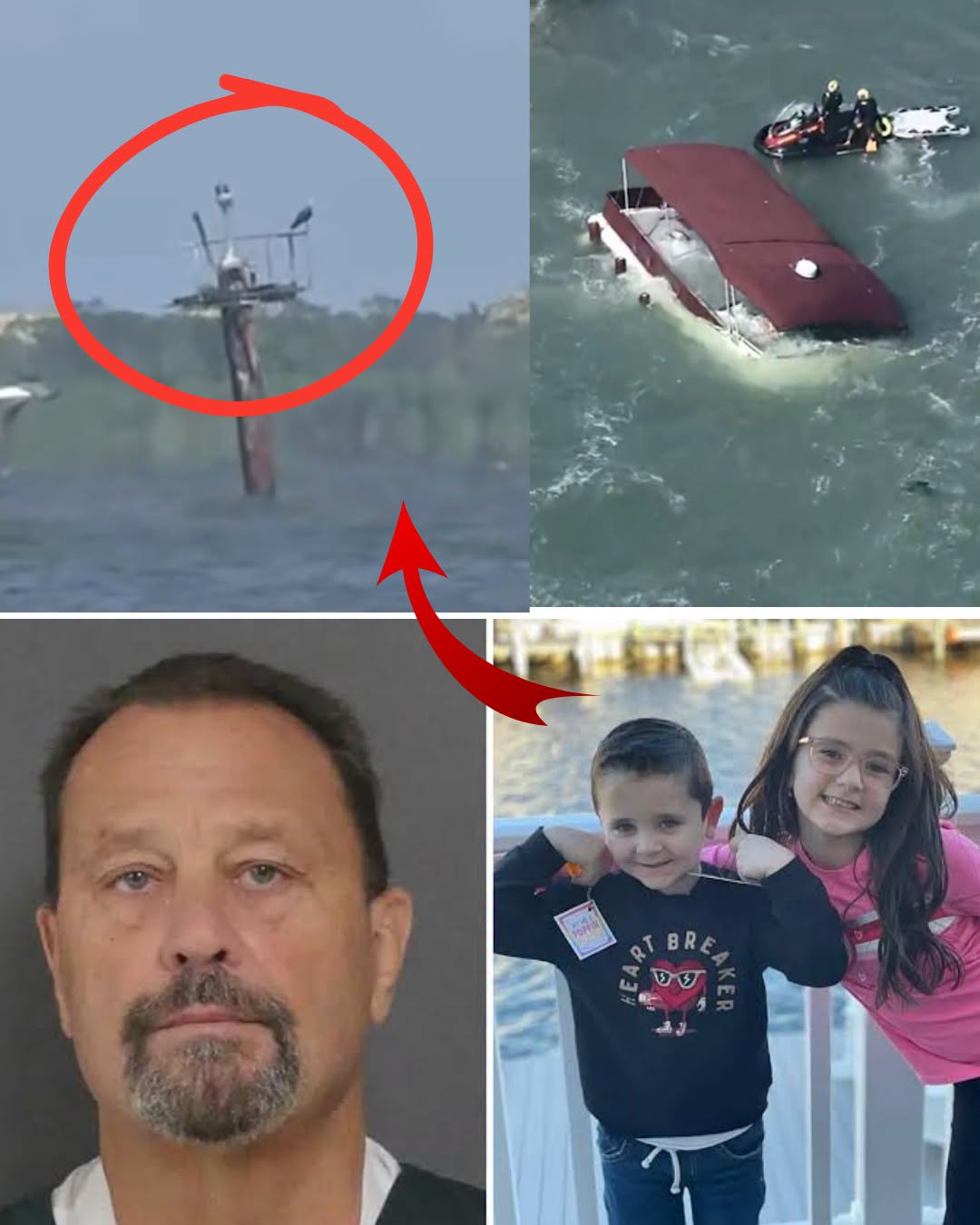
STEPHEN SCHNEIDER’S DEFENSE OPENS A SECOND FRONT — NOW THE BOAT, CHANNEL MARKER AND NIGHTTIME VISIBILITY ARE UNDER SCRUTINY
The legal battle surrounding Stephen Schneider is moving beyond the alcohol evidence.
After prosecutors highlighted a reported 0.16% blood alcohol concentration, Schneider’s defense team is now turning its attention to the physical conditions surrounding the boat collision that claimed the lives of his grandchildren, Mya and Sigmund.
At the center of that argument is a seemingly simple question:
What could Schneider actually see from the helm that night?
 THE 0.16% BAC IS ONLY PART OF THE FIGHT
Prosecutors have pointed to Schneider’s reported 0.16% BAC as important evidence in their case.
They argue that his level of intoxication affected his ability to safely operate the vessel and contributed to the devastating collision.
The defense, however, is examining whether the circumstances of the crash can be explained by factors beyond Schneider’s condition.
That could include the boat’s position, the surrounding waterways and the visibility of a channel marker during nighttime conditions.
 THE CHANNEL MARKER COULD BECOME A KEY ISSUE
A channel marker may appear insignificant at first glance.
But in a nighttime boating collision, visibility can become critically important.
Schneider’s attorneys are examining the marker involved in the case and whether it would have been clearly visible from the helm under the conditions that existed that night.
Questions surrounding lighting, distance, positioning and visibility could become part of the defense’s effort to challenge the prosecution’s version of events.
The argument would not necessarily erase the alcohol evidence.
Instead, it could introduce another explanation for why the collision occurred.
WHAT DID SCHNEIDER SEE?
That may ultimately become one of the most important questions in the case.
A boat operator’s ability to identify obstacles, markers and other vessels can be affected by darkness, lighting conditions, weather and the physical layout of the waterway.
The defense appears prepared to examine those details closely.
If attorneys can establish that the marker was difficult to see even under normal circumstances, they could argue that the collision cannot be attributed solely to Schneider’s alleged impairment.
But prosecutors are likely to argue that an experienced boat operator has a responsibility to navigate safely despite challenging conditions.
TWO GRANDCHILDREN WERE ON BOARD
Mya and Sigmund were aboard the boat when the collision occurred.
The crash became the center of a criminal investigation as authorities examined Schneider’s alleged condition and the circumstances leading up to the impact.
The prosecution has focused heavily on alcohol and its potential effect on Schneider’s judgment and ability to operate the vessel.
The defense is now seeking to broaden that picture.
THE EVIDENCE IS CONVERGING
Alcohol evidence.
The boat.
The channel marker.
Nighttime visibility.
And the physical evidence recovered after the collision.
Each piece could become part of the larger courtroom battle over exactly what caused the crash.
The defense does not necessarily have to prove that one alternative explanation caused the entire tragedy.
Instead, attorneys may attempt to raise questions about whether prosecutors can establish beyond a reasonable doubt that Schneider’s alleged impairment was the decisive cause.
A CRITICAL LEGAL BATTLE AHEAD
The case could ultimately come down to competing interpretations of the same night.
Prosecutors may tell jurors that the 0.16% BAC demonstrates significant impairment and explains Schneider’s inability to safely navigate the boat.
The defense may argue that the circumstances were more complicated — and that investigators must account for what was physically visible from the helm before assigning responsibility for the collision.
That distinction could become crucial.
Because the question is no longer simply:
“How much alcohol was in Schneider’s system?”
It may also become:
“What did he actually have the ability to see — and what caused the collision?”
As the legal proceedings move forward, the channel marker and the nighttime conditions could emerge as a second major battleground for Schneider’s defense.
And with the alcohol evidence already central to the prosecution’s case, the courtroom fight may ultimately focus on whether impairment alone explains the tragedy — or whether the physical conditions of the waterway played a critical role as well.