RESCUED BELUGA PEEKACHU DIES SUDDENLY JUST WEEKS AFTER ESCAPING A TROUBLED MARINE PARK
RESCUED BELUGA PEEKACHU DIES SUDDENLY JUST WEEKS AFTER ESCAPING A TROUBLED MARINE PARK
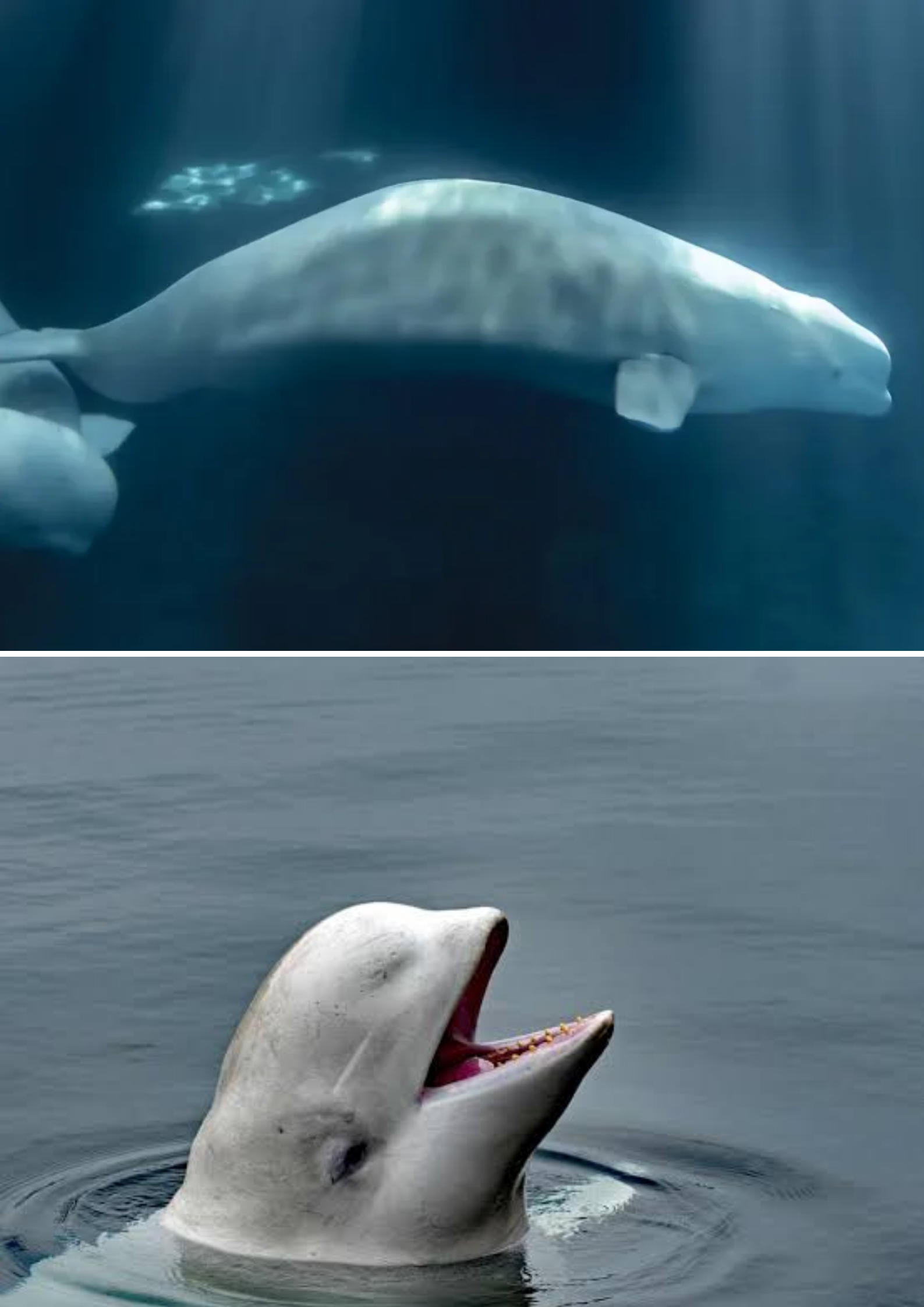
A 23-year-old beluga whale named Peekachu has died suddenly at Chicago’s Shedd Aquarium just weeks after being rescued from a shuttered Canadian marine park — turning what was supposed to be a hopeful new beginning into a heartbreaking loss.
Peekachu was one of eight belugas transferred from Marineland in Ontario to Shedd Aquarium as part of a massive effort to find new homes for Canada’s remaining captive whales.
She arrived in Chicago only weeks ago.
Now, the aquarium is preparing a necropsy to determine what happened.
:max_bytes(150000):strip_icc():focal(742x379:744x381):format(webp)/Peekachu-Beluga-Whale-dies-082726-2-c2f45b276c3c4dc9bffb84122bf726ba.jpg) PEEKACHU WAS SUPPOSED TO BE STARTING A NEW LIFE
PEEKACHU WAS SUPPOSED TO BE STARTING A NEW LIFE
Peekachu arrived at Shedd Aquarium in August alongside three other belugas after traveling hundreds of miles from Marineland.
She was one of 30 belugas at the Canadian marine park that faced an uncertain future after Marineland closed to the public in 2024.
The park had faced severe financial difficulties and had previously warned that it could be forced to euthanize the whales if permanent homes could not be found.
A rescue and relocation plan was eventually approved, allowing the animals to be transferred to marine institutions in the United States and Spain.
For Peekachu, the move appeared to offer a second chance.
But that new chapter lasted only a matter of weeks.
SHE SHOWED SIGNS OF PROGRESS
Despite the enormous transition, Shedd Aquarium staff said Peekachu initially appeared to be adapting to her new surroundings.
She was blind in one eye and was one of the smaller whales in the rescued group.
Yet those challenges did not stop her from exploring her new environment.
Caretakers reported that she ate squid, herring and capelin and showed curiosity toward members of the care team.
She also began interacting with staff through underwater viewing areas.
Those early signs gave her caretakers hope.
Then her condition changed.
BLOOD TESTS RAISED A WARNING
Staff became concerned when Peekachu was not consistently eating her full diet.
Veterinarians collected a blood sample to evaluate her condition.
The results indicated that she was dehydrated and needed supportive care.
Staff immediately began providing fluids and medication.
But during the treatment, Peekachu suddenly died.
The aquarium described the loss as immensely difficult, saying that although the team understood the rescued whales were undergoing a significant transition, losing Peekachu so soon was devastating.
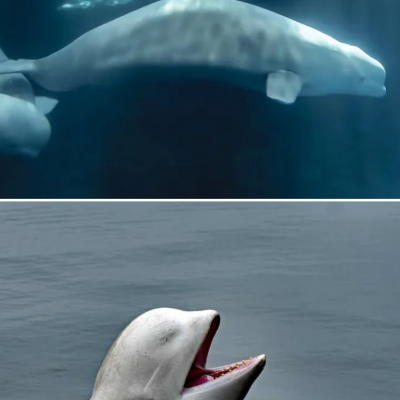 WHAT CAUSED PEEKACHU’S DEATH?
That question remains unanswered.
Shedd Aquarium has said it plans to conduct a necropsy and additional testing to better understand Peekachu’s overall health and determine what may have contributed to her sudden passing.
At this time, authorities and aquarium officials have not established that the relocation itself caused her death.
The aquarium had been closely monitoring the rescued whales around the clock as they adjusted to their new surroundings.
The necropsy is expected to provide more information.
A RESCUE MISSION SUDDENLY TURNS HEARTBREAKING
Peekachu’s death comes during one of the most ambitious whale relocation efforts ever attempted.
Marineland’s closure left approximately 30 belugas and four dolphins in need of new homes.
The Canadian government eventually approved a plan to move the animals to facilities across North America and Europe.
Shedd Aquarium is among the institutions taking in the whales.
The operation required specialized equipment, custom slings and carefully controlled transportation conditions because of the animals’ size and delicate health needs.
The goal was simple:
Give the whales a future.
For Peekachu, however, that future ended far sooner than anyone expected.
MARINELAND’S TROUBLED HISTORY
Peekachu’s story also highlights the difficult history surrounding Marineland.
The Ontario park has faced years of criticism over its treatment of marine animals.
According to data reported by the Associated Press, 20 whales — including 19 belugas and one killer whale — died at Marineland between 2019 and the current relocation effort.
The park eventually shut its doors to the public in 2024.
The remaining whales then became the center of an international effort to prevent them from being euthanized and move them to facilities capable of caring for them.
“EVERY LIFE MATTERS”
Shedd Aquarium officials described Peekachu as a unique animal who made an immediate impression on the people caring for her.
The aquarium said her time there was much shorter than anyone hoped.
But her story has already become part of the larger rescue effort — a reminder of both the extraordinary challenges involved in moving captive marine mammals and the emotional stakes of trying to give them a new home.
Seven other belugas rescued from Marineland remain at Shedd Aquarium.
Their health and adjustment continue to be closely monitored.
THE ANSWERS MAY COME FROM THE NECROPSY
For now, Peekachu’s caretakers are left with grief — and questions.
Why did a whale who initially appeared to be adapting suddenly deteriorate?
Was an underlying health problem involved?
Did dehydration play a role?
Or was there another condition that had not yet become apparent?
Those answers may not be known until the veterinary examination is complete.
One thing is certain: Peekachu survived years in a troubled facility and finally reached a place intended to give her a fresh start.
She was given only a few weeks.
But in those brief weeks, her caretakers say she made an immediate and lasting impression.
Peekachu’s new life was supposed to be the beginning of her rescue story. Instead, it became its final chapter.