“ONLY THREE BEERS”: STEPHEN SCHNEIDER’S CLAIM COLLIDES WITH 0.16% BAC TEST AFTER FATAL BOAT CRASH
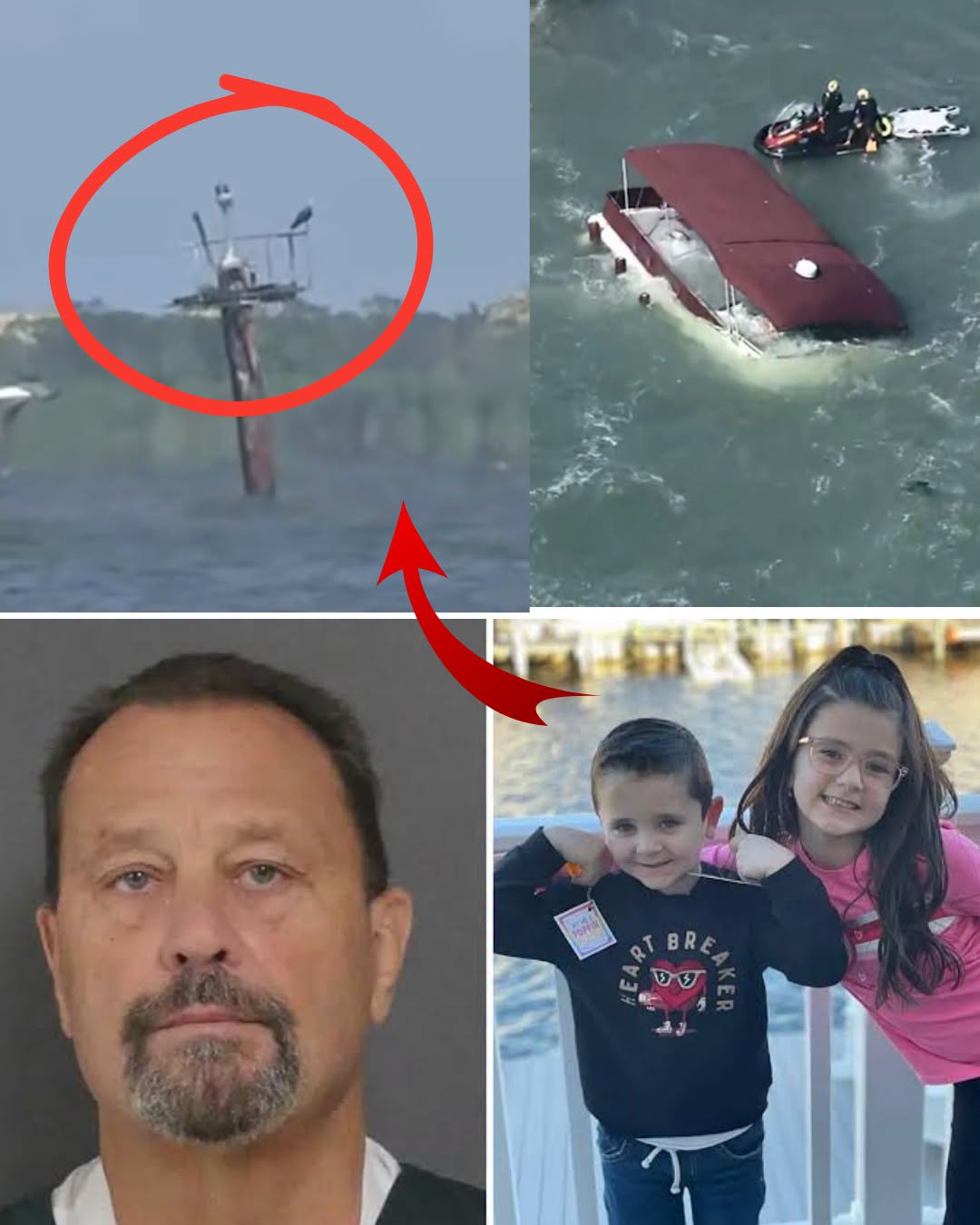
“ONLY THREE BEERS”: STEPHEN SCHNEIDER’S CLAIM COLLIDES WITH 0.16% BAC TEST AFTER FATAL BOAT CRASH
Stephen Schneider told investigators he had consumed only three beers during a family dinner before getting behind the wheel of his 28-foot boat.
But the test result investigators obtained told a very different story.
Schneider, 64, recorded a 0.16% blood alcohol concentration, according to case records — approximately twice the legal limit for operating a vessel in the circumstances prosecutors are examining.
The stark difference between Schneider’s account and the toxicology evidence has become a major point of contention in the case involving the deaths of his two grandchildren, Mya and Sigmund.
 “THREE BEERS” OVER TWO HOURS
According to investigative records, Schneider said he had been drinking during a family dinner with his wife, daughter, son-in-law and grandchildren.
His account was that he consumed three beers over roughly two hours.
After dinner, Schneider took control of the family’s 28-foot boat.
At some point during the trip, the vessel collided with a channel marker.
Mya and Sigmund were aboard the boat when the collision occurred.
The children were subsequently discovered to be missing from the vessel, triggering a frantic search in the darkness.
 THEN CAME THE 0.16% RESULT
The blood-alcohol result became one of the most significant pieces of evidence in the investigation.
A BAC of 0.16% is substantially above the legal limit of 0.08% used for operating a vessel in many U.S. jurisdictions.
Prosecutors argue that the level is consistent with significant impairment and could have affected Schneider’s ability to safely operate the boat.
His defense, however, is challenging aspects of the prosecution’s interpretation of what happened.
That means the case may ultimately turn on more than a single toxicology number.
WHAT COULD SCHNEIDER SEE?
Defense attorneys have begun examining the physical conditions surrounding the collision.
Among the issues being investigated is the channel marker struck by the boat and how visible it would have been at night.
The defense position raises a critical question:
Was the collision caused solely by Schneider’s alleged impairment — or did visibility, lighting, the marker’s location and other physical conditions also play a role?
Those questions could become central as the legal proceedings continue.
THE NIGHT EVERYTHING CHANGED
The family outing was supposed to be an ordinary evening together.
Instead, it ended with a desperate search after Mya and Sigmund were no longer on the boat.
Investigative records indicate Schneider entered the water while family members searched for the children.
The sequence of events, including when Schneider realized the children were missing and what happened immediately before and after the collision, is now being closely examined.
PROSECUTORS SEE A PATTERN OF IMPAIRMENT
Prosecutors contend that Schneider’s alcohol consumption affected critical abilities required to safely operate the vessel.
They have pointed to factors including judgment, coordination and reaction time.
The 0.16% BAC therefore isn’t being presented simply as evidence that Schneider had been drinking.
It is being used to support the broader argument that his condition may have contributed directly to the collision and the events that followed.
THE DEFENSE IS CHALLENGING MORE THAN THE ALCOHOL EVIDENCE
Schneider’s attorneys are not limiting their arguments to how much he drank.
They are examining the environment in which the collision occurred.
The channel marker.
Nighttime visibility.
The boat’s position.
And what Schneider could realistically have seen from the helm.
That creates a second major battleground for the defense.
If the marker was difficult to see under the conditions that night, attorneys could argue that the collision cannot be explained by alcohol alone.
THREE BEERS VS. 0.16%
At the heart of the dispute is an apparent contradiction.
Schneider said:
Three beers over approximately two hours.
Investigators recorded:
0.16% BAC.
The difference between those two accounts is likely to remain one of the most closely scrutinized pieces of evidence in the case.
But the legal battle will require more than simply deciding which number sounds more believable.
Attorneys will have to examine the timing of the drinking, the testing process, Schneider’s physical condition, the boat’s operation and the environmental conditions surrounding the collision.
A FAMILY NIGHT TURNS INTO A LEGAL BATTLE
For Mya and Sigmund’s family, the case is about far more than toxicology reports and courtroom arguments.
Two children were aboard a family boat trip.
A collision occurred.
The children were no longer on the vessel afterward.
And a frantic nighttime search followed.
Now prosecutors and defense attorneys are reconstructing those moments from evidence, witness accounts and investigative records.
The defense is asking whether the physical environment contributed to the crash.
Prosecutors are focusing heavily on the alleged impairment.
And the 0.16% BAC result sits at the center of that dispute.
As the case moves forward, one question could become increasingly important:
Was this tragedy primarily about alcohol, visibility, or a combination of circumstances that came together in a matter of seconds?
The courtroom may ultimately have to decide.