BACKPACKER VANISHED INTO THE TASMANIAN WILDERNESS — 3 YEARS LATER, HER REMAINS REVEALED A TRAGIC FINAL JOURNEY
BACKPACKER VANISHED INTO THE TASMANIAN WILDERNESS — 3 YEARS LATER, HER REMAINS REVEALED A TRAGIC FINAL JOURNEY
TASMANIA, AUSTRALIA — For nearly three years, the disappearance of Belgian backpacker Celine Cremer remained one of Tasmania’s haunting wilderness mysteries.
The 31-year-old vanished after setting out alone for what was expected to be a short hike near Cradle Mountain on June 17, 2023.
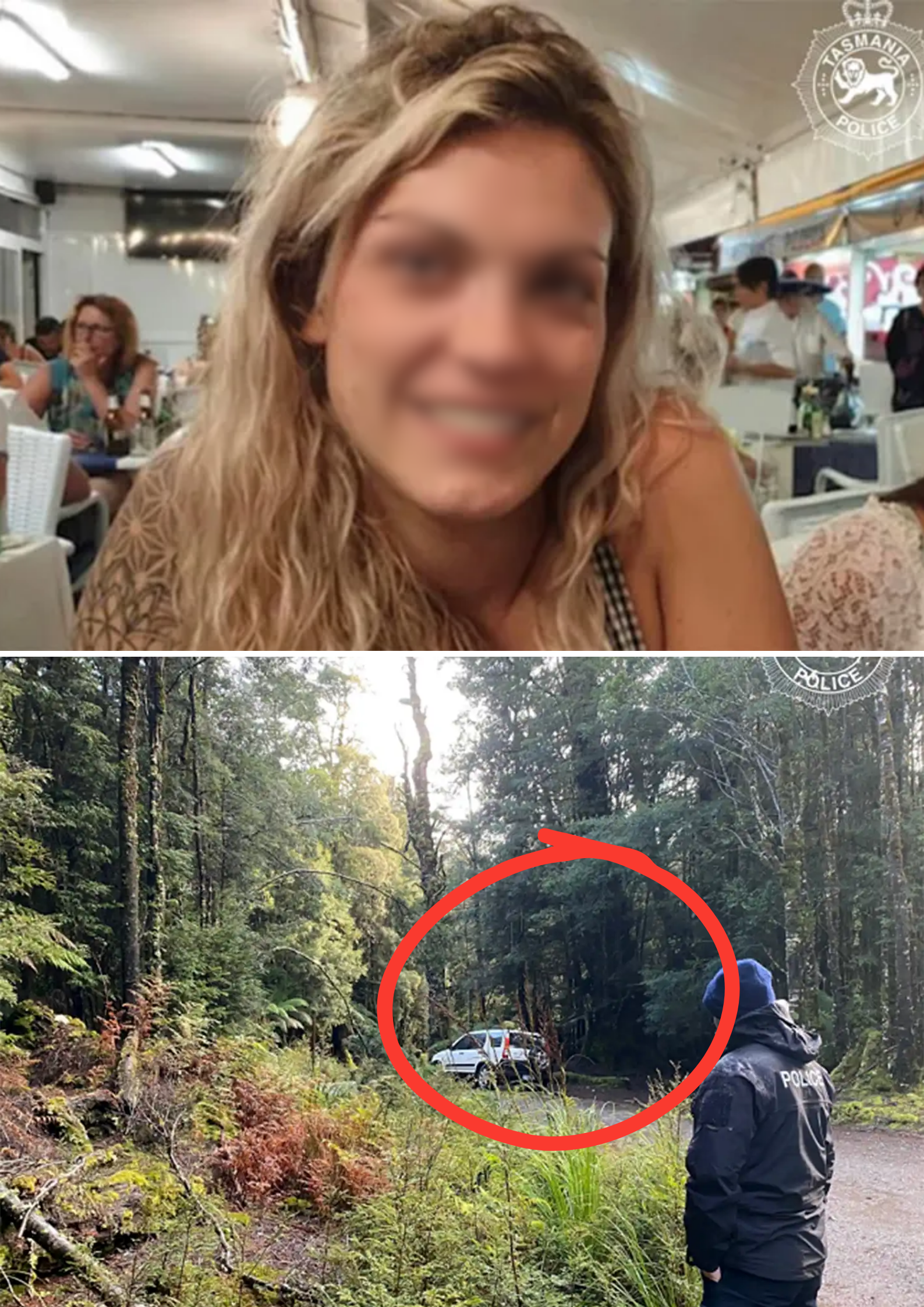
Her car was found.
Her phone was eventually discovered.
But Celine herself was nowhere to be found.
Now, a coroner has finally revealed what investigators believe happened during her final hours — and the findings point to a heartbreaking combination of fading daylight, freezing conditions, difficult terrain and a wrong turn that may have changed everything.
:max_bytes(150000):strip_icc():focal(740x426:742x428):format(webp)/celine-cremer-search-121525-1-ab23f512429c4f75b9dfa51b541303b5.jpg) A SHORT HIKE THAT NEVER ENDED
A SHORT HIKE THAT NEVER ENDED
Celine was traveling alone in Tasmania when she drove to the Philosopher Falls area and began walking.
She was expected to return to her vehicle.
She never did.
Nine days later, authorities were alerted that she was missing, and her car was located at the Philosopher Falls parking area.
Search-and-rescue teams launched an extensive operation, but Tasmania’s winter conditions made the terrain exceptionally difficult.
Subzero temperatures, snow and rain complicated the search.
Despite repeated efforts, there was no sign of Celine for years.
THEN HER PHONE WAS FOUND
The breakthrough came in December 2025, when a private search team discovered Celine’s cellphone approximately 300 meters from a trail.
The phone became one of the most important pieces of evidence in the investigation.
Data recovered from the device suggested that Celine had moved away from the established track and attempted to navigate using her phone.
She had reportedly used Google Maps and taken photographs and videos during the afternoon.
But at some point, the phone was lost.
And Celine was suddenly alone in dense wilderness without the device that had been helping her navigate.
:max_bytes(150000):strip_icc():focal(749x0:751x2):format(webp)/celine-cremer-search-121525-4-b8e0c2b30da34a88a7be2ff698bae1f2.jpg) THE CRITICAL WRONG TURN
THE CRITICAL WRONG TURN
According to findings released by Tasmanian Coroner Madeleine Wilson, Celine had taken a track toward Magnet Dam rather than returning directly to the car park.
The problem was that the track was not clearly defined.
As afternoon light began to disappear, Celine became lost.
The coroner estimated that she was likely disoriented at around 3:49 p.m.
It was only four days before the winter solstice.
Darkness was approaching.
Temperatures were close to freezing.
And Celine was not adequately dressed for the conditions.
She reportedly had no waterproof clothing.
HER PHONE DISAPPEARED — AND SO DID HER WAY BACK
Investigators believe Celine lost her phone sometime late that afternoon.
Without it, she no longer had access to the navigation information she had been using.
Her final phone activity reportedly occurred around 4:18 p.m.
Afterward, investigators could no longer track her movements through the device.
The coroner said it was impossible to establish exactly which route Celine took after losing the phone.
At some point, however, she ended up near the Arthur River.
That would become the final known location in her journey.
HER REMAINS WERE FINALLY FOUND
In early 2026, a hiker discovered bones along the Arthur River.
Further searches located additional remains, teeth, clothing and a Honda car key.
Authorities later confirmed that the remains belonged to Celine.
For her family, the discovery brought an emotion that was both devastating and strangely comforting.
After nearly three years of uncertainty, they finally knew where she was.
Her sister, Amelie Cremer, said the confirmation brought the family “immense relief” after years of waiting.
Celine could finally be brought home.
WHAT CAUSED HER DEATH?
The coroner could not establish one definitive mechanism of death.
Instead, several possibilities were identified.
Celine’s remains showed fractures and other damage.
A forensic pathologist said the injuries could have occurred before her death — potentially from a fall or blunt-force trauma — or could have resulted from her body being carried through the river and striking rocks or debris.
Investigators believe she may have slipped and fallen.
Another possibility is that she attempted to cross the river and was swept into the water.
Hypothermia, trauma and drowning were all considered possible causes of death.
NO EVIDENCE OF FOUL PLAY
Perhaps the most important conclusion came from the coroner’s determination that Celine’s death was an accident.
Investigators found no evidence that another person was involved.
The tragedy appears to have resulted from a series of circumstances that compounded one another:
A poorly defined trail.
Fading daylight.
Freezing temperatures.
Insufficient clothing.
Intermittent cellphone reception.
And eventually, the loss of her phone.
The coroner described the circumstances as a “confluence of errors.”
A WARNING FOR SOLO HIKERS
Celine’s case has also highlighted the dangers that can exist even for travelers who are simply looking for a short wilderness adventure.
Remote terrain can become dramatically more dangerous once daylight disappears.
A trail that appears manageable in daylight can become difficult to follow.
And losing a phone or GPS device can eliminate a critical navigation tool.
In Celine’s case, several relatively small problems appear to have combined into a life-threatening situation.
HER FAMILY NEVER STOPPED LOOKING
For nearly three years, Celine’s loved ones lived without knowing what had happened to her.
Search teams returned to the area.
Private investigators became involved.
Volunteers continued looking.
Then, years after her disappearance, a phone discovery finally provided the breakthrough investigators had been waiting for.
Her remains followed weeks later.
For the people who loved Celine, the search is finally over.
But the grief remains.
A FINAL JOURNEY INTO THE UNKNOWN
Celine Cremer set out expecting to complete a hike and return to her car.
Instead, she became lost in one of Australia’s most challenging wilderness environments.
The evidence suggests that as daylight faded, the margin for error disappeared.
Her phone was lost.
The temperature dropped.
And the terrain became increasingly difficult to navigate.
Three years later, her final journey can finally be reconstructed — not as a mystery involving another person, but as a tragic wilderness accident.
Celine went into the Tasmanian wilderness alone. She never made it back to her car.
Now her family finally has the answers they waited years to receive — and a place to bring her home.