THE SOULMATE CONTRADICTION: WHY A FORGIVING FATHER KEEPS HIS DISTANCE
THE SOULMATE CONTRADICTION: WHY A FORGIVING FATHER KEEPS HIS DISTANCE
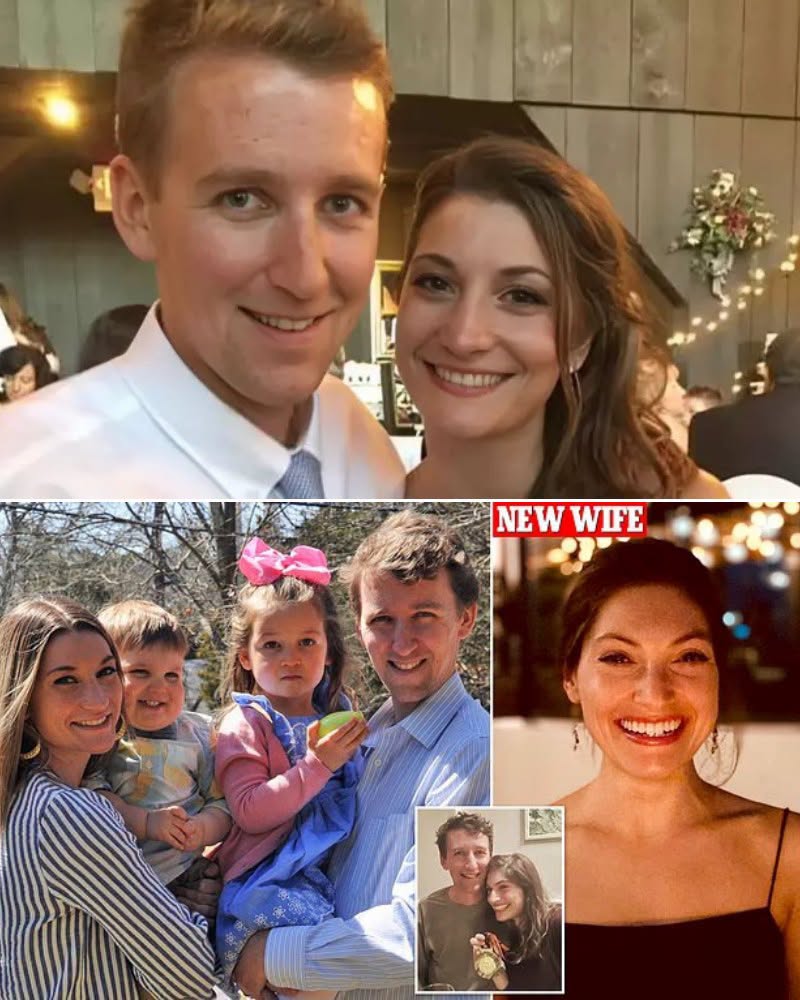
In a courtroom testimony that moved onlookers to tears, Patrick Clancy called his ex-wife Lindsay his soulmate and passionately urged the public to find it in their hearts to forgive her for the tragic deaths of their three young children. However, unsealed insider court files and recent developments highlight a striking contradiction between his public emotional plea and his personal life choices. Despite declaring profound love and advocating for mercy, Patrick sold their family home, relocated across state lines, and has completely cut physical contact with her ever since.
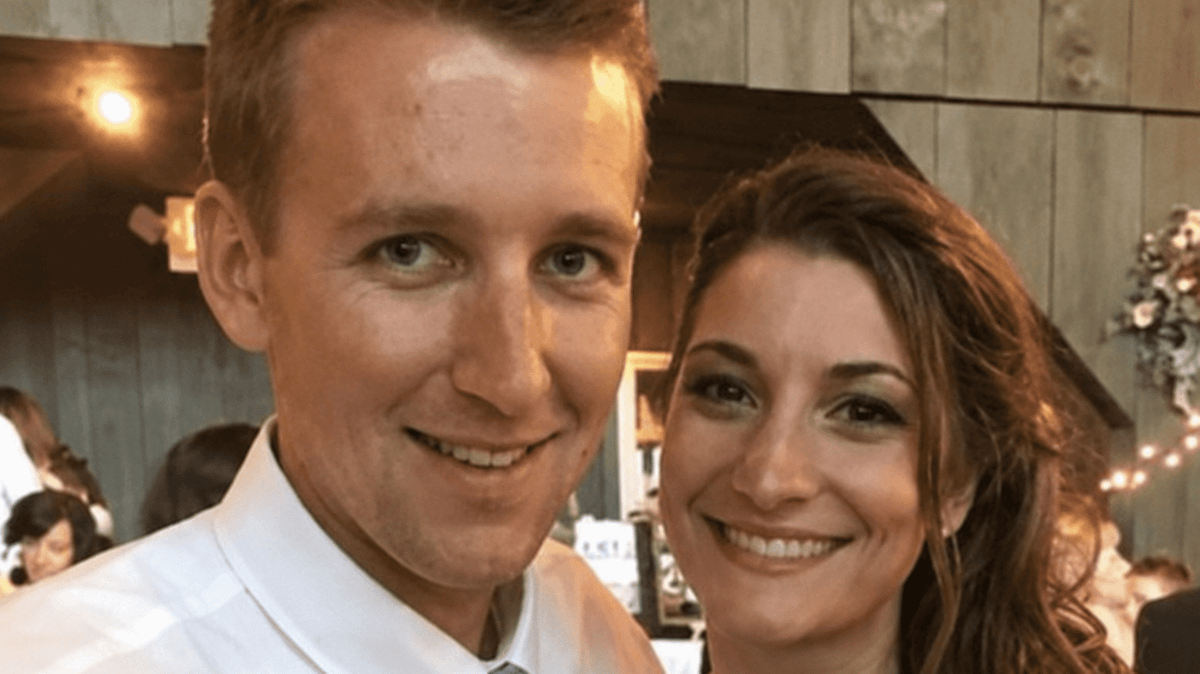
Friends, legal observers, and trauma specialists suggest that this stark divide between forgiveness and distance represents a deeply complex survival mechanism. Expressing forgiveness publicly allows a grieving father to process catastrophic heartbreak, honors the loving memory of the family they once shared, and prevents his life from being consumed by endless hatred. Simultaneously, establishing absolute physical and geographical boundaries is an essential necessity for emotional protection and healing.

By selling the home filled with agonizing memories, moving far away, and refusing direct contact, Patrick creates the necessary space to rebuild his shattered life away from the site of unimaginable loss. His journey underscores a painful reality of extreme trauma: a person can genuinely forgive someone for a devastating tragedy while knowing that returning to them is impossible. True healing sometimes requires forgiving from a distance.