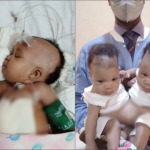
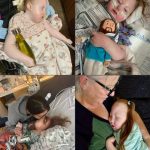
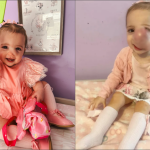
BABY HAS A RARE SKIN CONDITION THAT MAKES HIS SKIN EXTREMELY FRAGILE, LEAVING HIS MOTHER UNABLE TO EVEN HOLD HIM IN HER ARMS
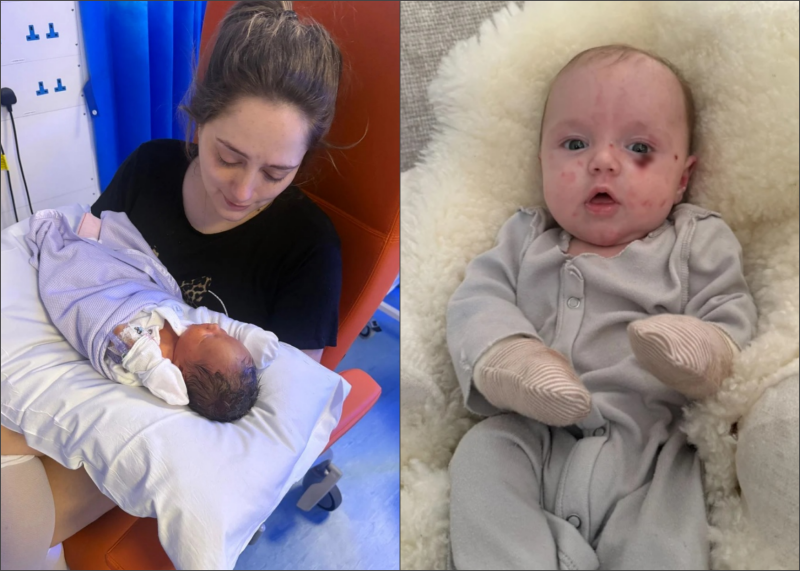
The mother of a baby boy with a rare genetic condition that makes his skin extremely fragile says she cannot hold or bathe him normally, and “rarely” leaves the house for fear of causing further damage.
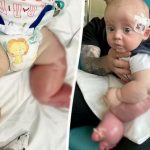
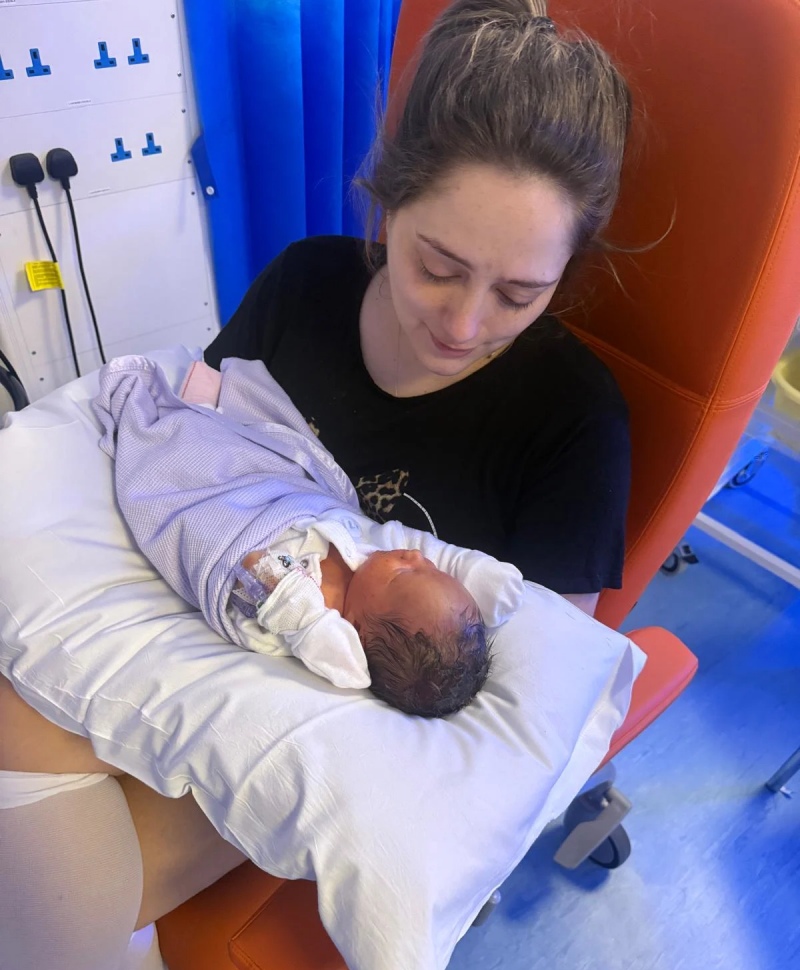
Ciara Burnside, 30, from Bedfordshire, noticed “big red patches” on her newborn son Ralph’s hands and feet when he was born on March 25.
Within minutes, Ralph was taken to intensive care, and just hours later, his skin had developed fragile areas across his body.
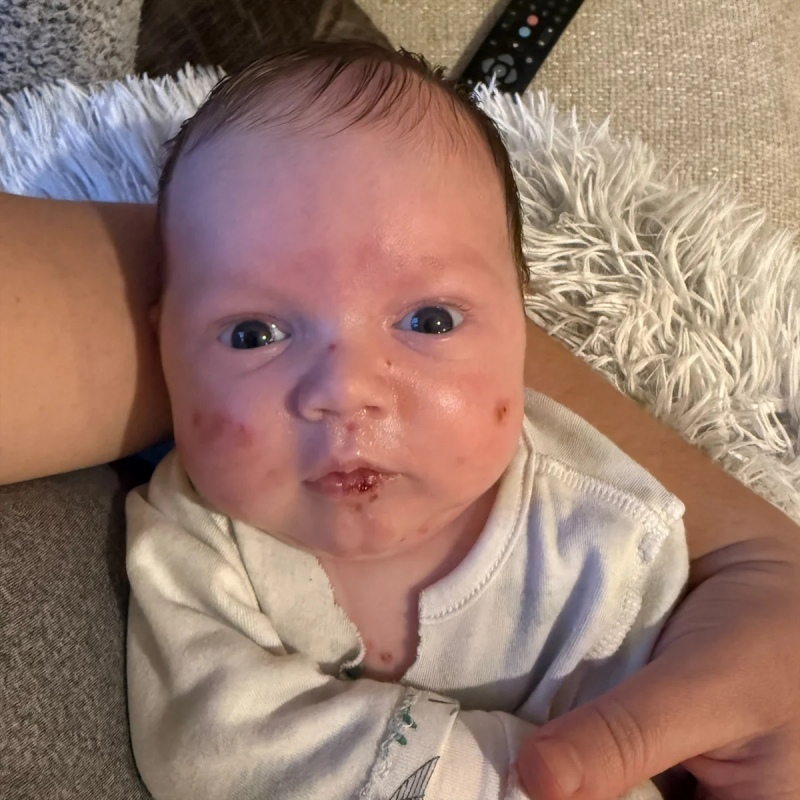
In May, Ralph was diagnosed with a rare subtype of epidermolysis bullosa (EB), known as intermediate junctional EB. The inherited condition causes the skin to become extremely delicate and vulnerable to friction.
Ciara and her fiancé Lewis Archer, 29, now have to carefully manage Ralph’s condition every day. He requires medication for acid reflux, regular pain relief and frequent dressing changes.
Doctors have told the family that Ralph may need a wheelchair in the future because his feet are particularly fragile. They also warned that he could experience hair loss and changes to his fingernails.
Ciara said she first realized something was wrong when she held Ralph for the first time.
“There were big red patches on his fingers and on his feet, and I remember saying to the midwife, ‘What’s wrong with him?’”
Ralph was placed in a heated incubator in the neonatal intensive care unit. When Ciara saw him again later that day, she noticed fragile areas had appeared across his body.
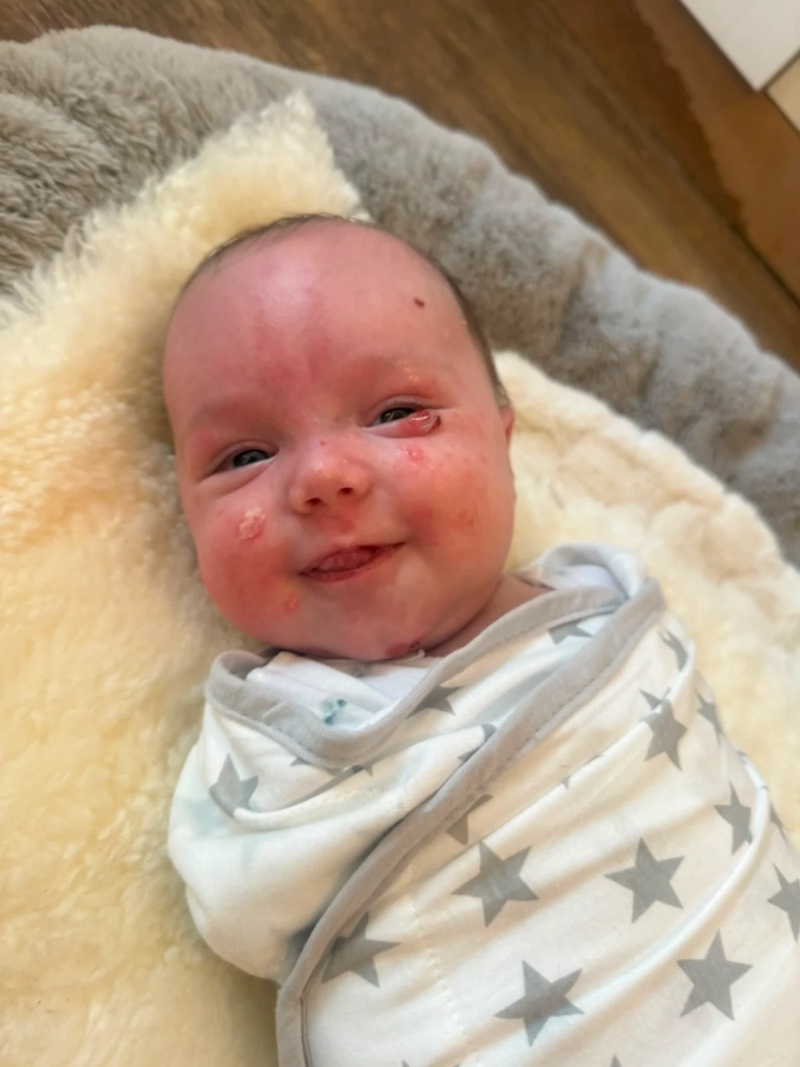
Doctors later explained that genetic testing was needed to determine which type of EB Ralph had. The family was eventually told that both Ciara and Lewis are silent carriers of a mutation in the COL17A1 gene, which causes intermediate junctional EB.
Ralph’s condition affects his skin across his body and may also lead to hair loss, changes to his nails and irregular tooth enamel.
EB is often called “butterfly skin” because the skin can be as delicate as a butterfly’s wings.
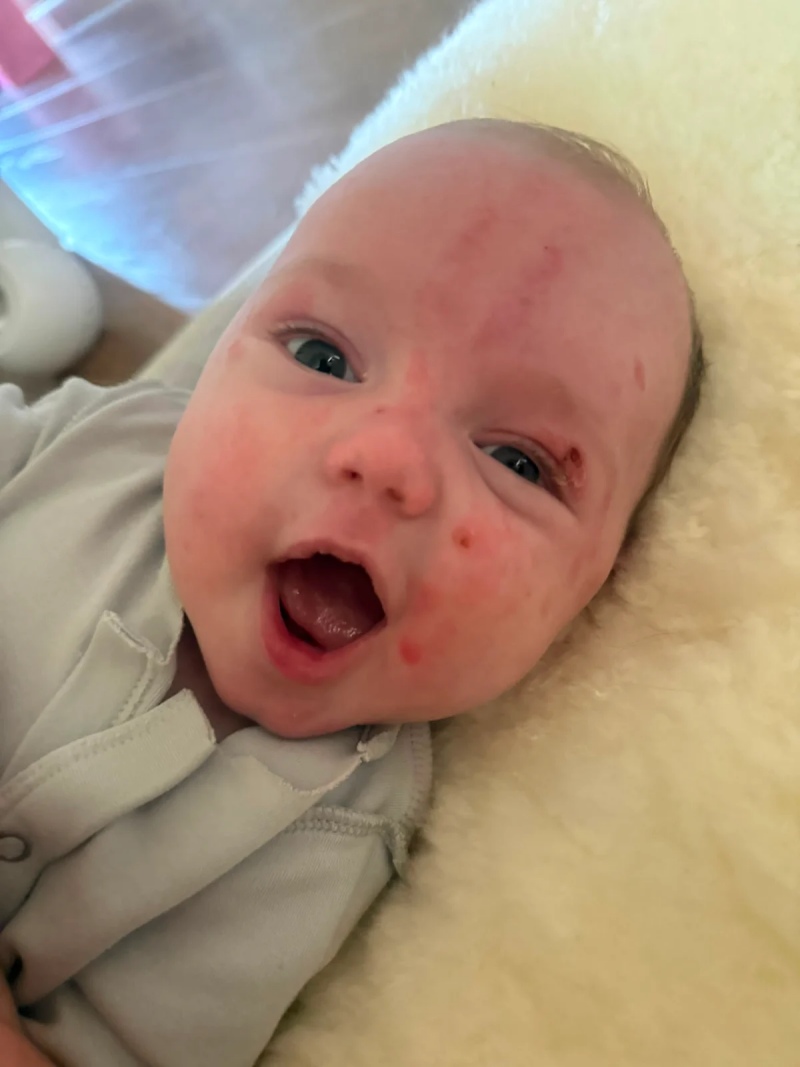
An average day for Ralph’s parents requires extraordinary care. Even changing his nappy is a two-person job because they cannot hold him down without risking further skin damage.
They carefully feed him using a bottle, lubricating the teat with coconut oil to reduce friction. When feeding becomes difficult, they may use a syringe to slowly give him milk.
The family is also extremely cautious about bathing him, using a flannel or gauze instead to gently clean his body.
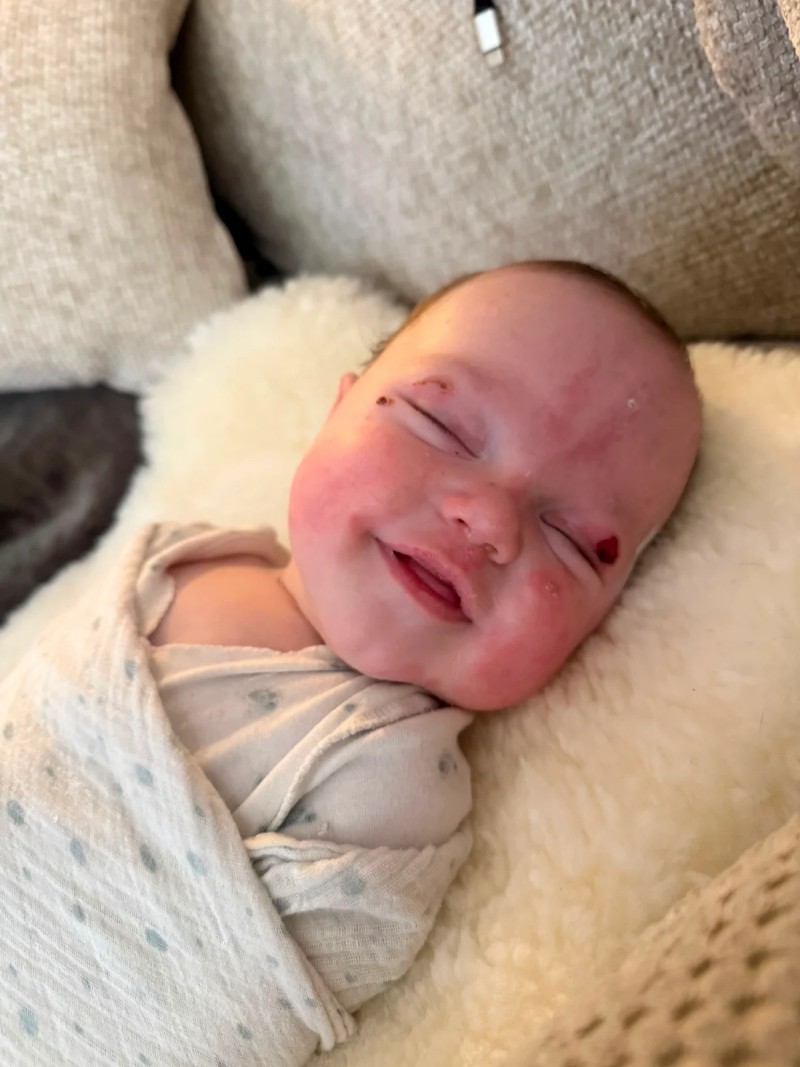
Ciara said they cannot leave Ralph unattended for long, as even rubbing his face with soft mittens can cause significant irritation.
“We rarely leave the house due to the heat and fear of damage from the car seat,” she said.
His parents change his clothes twice a day and regularly check his entire body because fragile areas can appear unexpectedly.
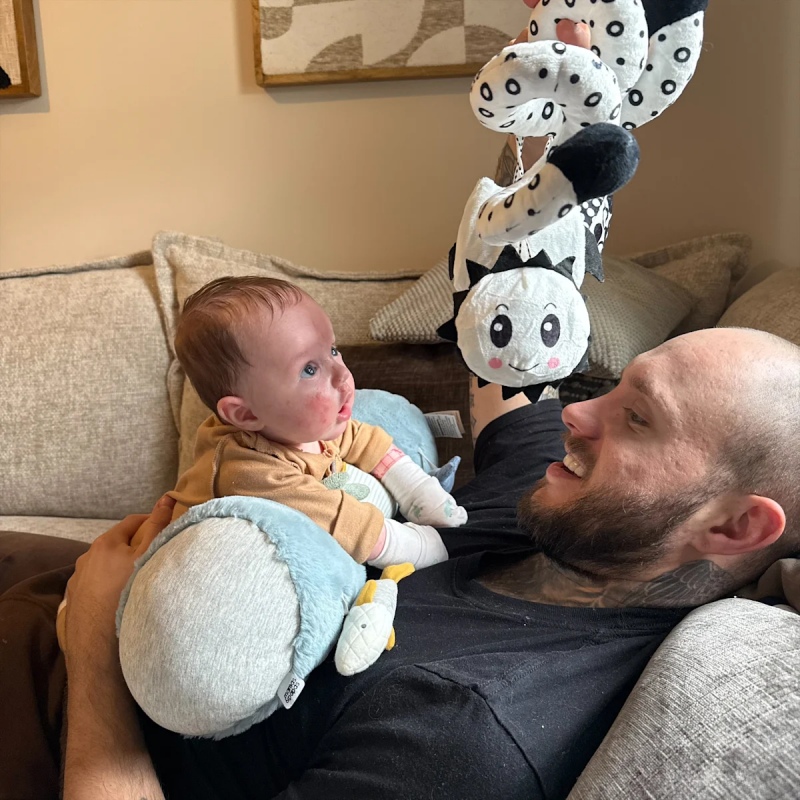
Despite the challenges, Ciara says the family has received support from Great Ormond Street Hospital and DEBRA UK, a charity supporting people living with EB.
She now spends “every spare minute” learning more about Ralph’s condition and connecting with other families affected by JEB.
The couple hopes to have another child in the future and would consider IVF with genetic testing to help select embryos without the mutation.
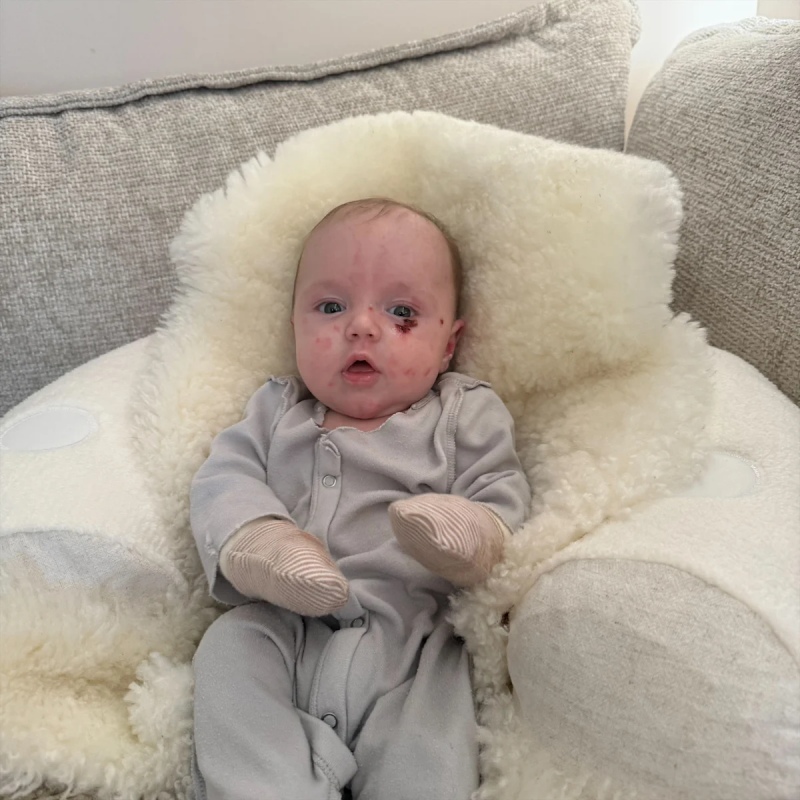
Ciara hopes that one day there will be a cure or more effective treatments for EB.
She continues sharing Ralph’s story online to raise awareness and encourage greater support for families living with rare skin conditions.
“As a parent, I think we’re biologically wired to try and take pain away from our children and to protect them,” Ciara said.
“And I guess that’s what I feel like I’m doing by sharing his story.”
Source: uk.style.yahoo