Lindsay Clancy: Jury Deliberates for Over 16 Hours but Has Yet to Reach a Verdict
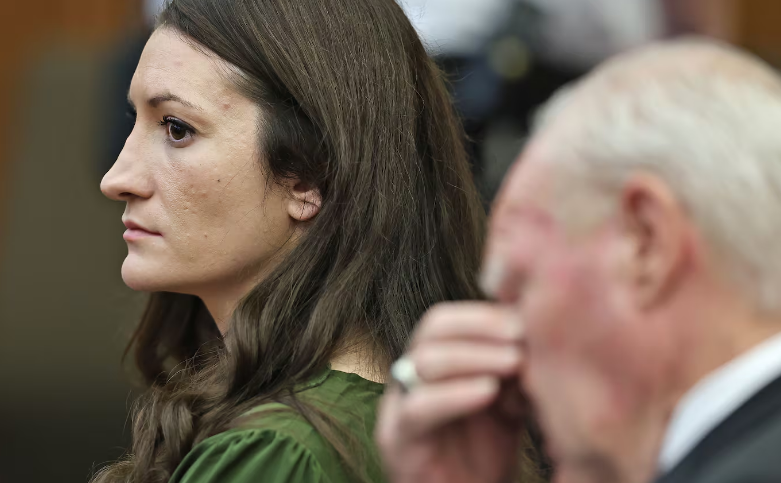
Lindsay Clancy Jury Still Deadlocked After More Than 16 Hours of Deliberations
After three days of deliberations, the jury in Lindsay Clancy’s trial has yet to reach a verdict in the case involving the deaths of her three young children.
The 12-member jury had deliberated for more than 16 hours by the end of the latest session. Jurors were instructed to return to court and continue their deliberations on Tuesday, September 1, Massachusetts time.
Clancy, 36, has acknowledged killing her children—5-year-old Cora, 3-year-old Dawson and 8-month-old Callan—in January 2023. However, she has denied criminal responsibility, arguing that she was experiencing postpartum psychosis when the killings occurred.
Prosecution and Defense Present Conflicting Arguments
Prosecutors have argued that Clancy understood what she was doing and had taken steps in advance of the killings. Among the evidence highlighted by the prosecution was the allegation that she sent her husband out of the home before the incident.
The defense has taken a different position, asking jurors to find Clancy not criminally responsible because of mental illness.
Defense attorneys have argued that her psychiatric condition left her unable to understand the nature or wrongfulness of her actions at the time.
Psychiatric experts called by the prosecution and defense offered substantially different assessments of Clancy’s mental state, leaving jurors to weigh competing interpretations of her condition and responsibility.
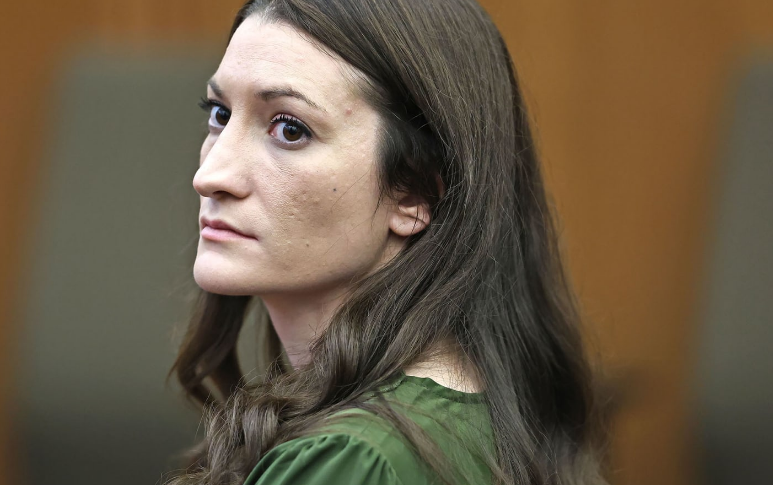
Jury Has Several Possible Verdicts
The jury has several potential outcomes to consider, including convictions for first-degree murder, second-degree murder or manslaughter, depending on the evidence and legal standards.
Jurors could also return a verdict of not guilty by reason of mental illness if they determine that Clancy met the applicable legal standard for lack of criminal responsibility.
Such a finding would not necessarily mean that Clancy would immediately walk free. Instead, she could be committed to a psychiatric treatment facility under the applicable Massachusetts procedures.
For now, the jury remains deliberating as the families involved and the wider community await a decision in the closely watched case.
Source: NBC News