LEGAL EXPERT MADE A BOLD PREDICTION IN LINDSAY CLANCY CASE — NOW THE JURY MUST DECIDE
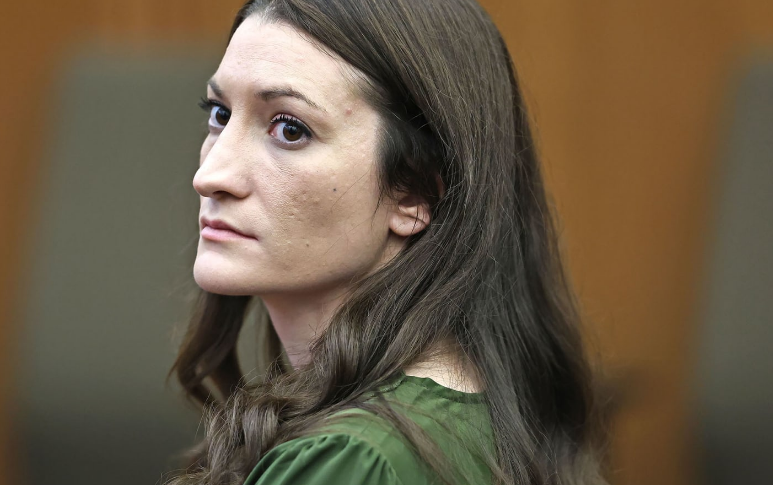
LEGAL EXPERT MADE A BOLD PREDICTION IN LINDSAY CLANCY CASE — NOW THE JURY MUST DECIDE
A legal expert made a striking prediction about the Lindsay Clancy trial — and now the moment he was talking about has arrived.
Former federal prosecutor Neama Rahmani previously said he saw “no real possibility” of Massachusetts securing a guilty verdict against Clancy, pointing to the state’s insanity standard and what he described as significant evidence surrounding her mental state. He predicted the case could ultimately end with either an acquittal or a jury that could not reach a unanimous decision.
That prediction has taken on new significance now that the five-week trial has ended.
Clancy, a former labor and delivery nurse, is accused of killing her three children — Cora, 5, Dawson, 3, and Callan, 8 months — at the family’s Duxbury, Massachusetts, home in January 2023.
The defense has never disputed that Clancy carried out the acts. Instead, her attorneys have centered the case on one critical question:
Was she legally responsible for what she did at the time?
:max_bytes(150000):strip_icc():focal(815x337:817x339):format(webp)/lindsay-clancy-court-81826-d69320396be443bb82f6b993b7d110d3.jpg) THE BATTLE OVER HER STATE OF MIND
THE BATTLE OVER HER STATE OF MIND
Defense attorneys argue Clancy was experiencing severe postpartum psychosis, along with other serious mental-health problems, and that she could not understand that her actions were wrong.
Their experts described a woman whose mental state had deteriorated dramatically in the months leading up to the tragedy.
The prosecution has offered a sharply different interpretation.
Prosecutors acknowledge Clancy suffered from mental-health problems, but argue she nevertheless understood what she was doing and could distinguish right from wrong. They have pointed to evidence they say demonstrates planning, awareness and deliberate behavior.
That disagreement became the central issue of the trial.
NOW, IT’S ALL ON THE JURY
Closing arguments concluded on Aug. 27, and the case was handed to the jury.
Jurors have several possible outcomes to consider, including first-degree murder, second-degree murder, manslaughter, a finding that Clancy was not criminally responsible because of mental illness, or an acquittal.
After multiple days of deliberations, the jury still has not reached a verdict.
The jurors have even asked to review important pieces of evidence, including the knife involved in Clancy’s suicide attempt and empty prescription bottles — details that could offer clues about how they are evaluating the competing arguments over her mental state.
For now, Rahmani’s prediction remains just that — a prediction.
The final decision belongs to the jury.
And after weeks of emotional testimony, conflicting psychiatric opinions and intense arguments over criminal responsibility, one question now stands above everything else:
:max_bytes(150000):strip_icc():focal(749x0:751x2):format(webp)/lindsay-clancy-children-080526-99640c7509024a02aa72d8e15d099900.jpg) Will the jury believe Lindsay Clancy understood the wrongfulness of her actions — or that severe mental illness had taken away that ability?
Will the jury believe Lindsay Clancy understood the wrongfulness of her actions — or that severe mental illness had taken away that ability?
The answer could determine the outcome of one of Massachusetts’ most closely watched trials.