🚨 THE TASERS FIRED — BUT SHE KEPT COMING. THEN POLICE HAD ONLY SECONDS TO REACT.
🚨 THE TASERS FIRED — BUT SHE KEPT COMING. THEN POLICE HAD ONLY SECONDS TO REACT.
A terrifying question is emerging from the deadly Times Square stabbing:
Why didn’t the Tasers stop her?
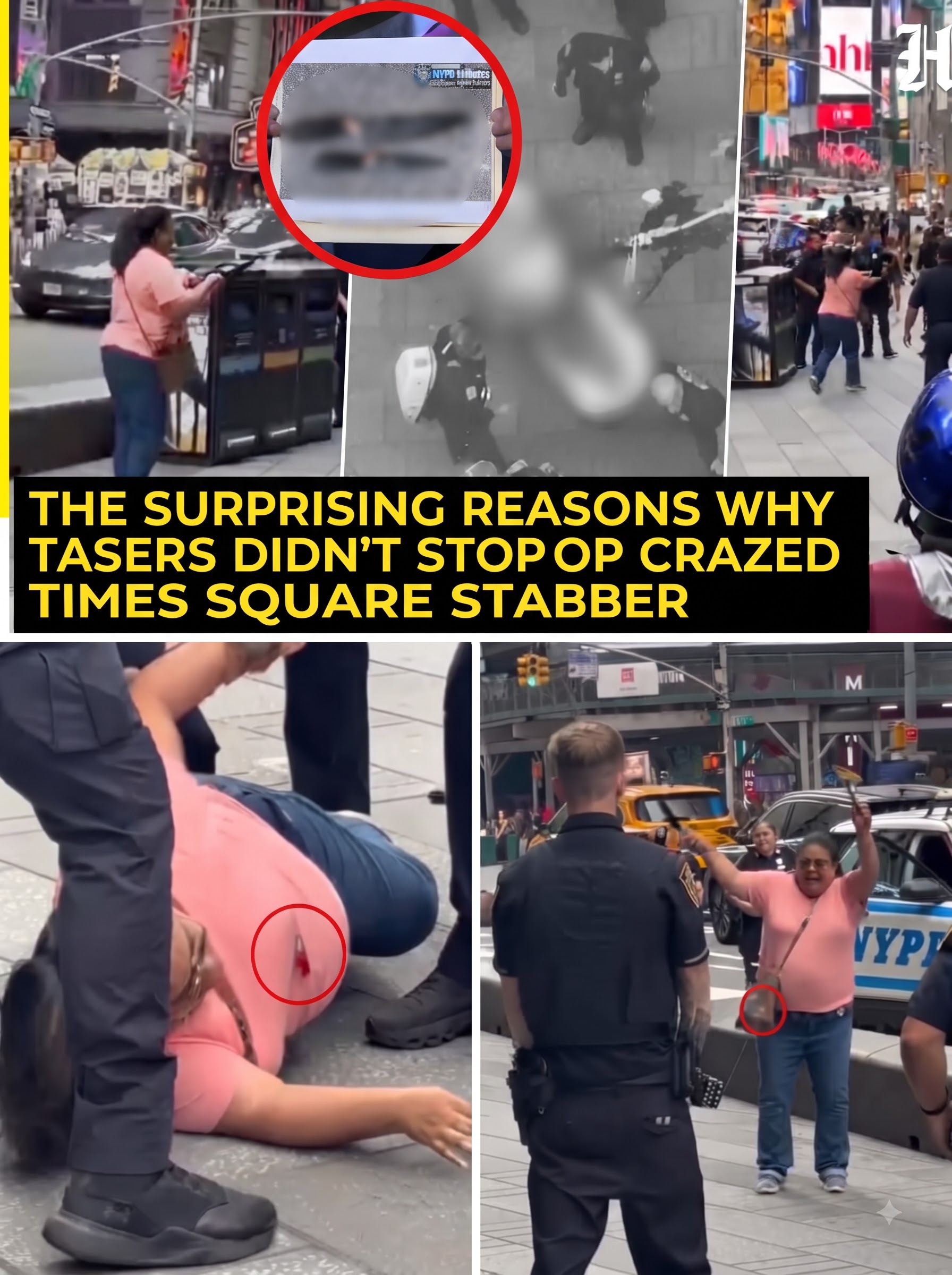
On Monday, 49-year-old Pamela Cisneros allegedly attacked two people near West 41st Street and Seventh Avenue in Times Square.
One victim, a 68-year-old man, survived after being stabbed in the abdomen.
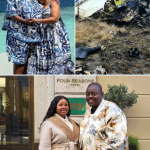
The other, 32-year-old Erin Piacenti, died from her injuries. Piacenti was a Bank of America executive and a Fordham Law graduate who had recently celebrated her second wedding anniversary.
Then came the confrontation with police.
Cisneros was carrying two knives.
Officers ordered her repeatedly to drop them.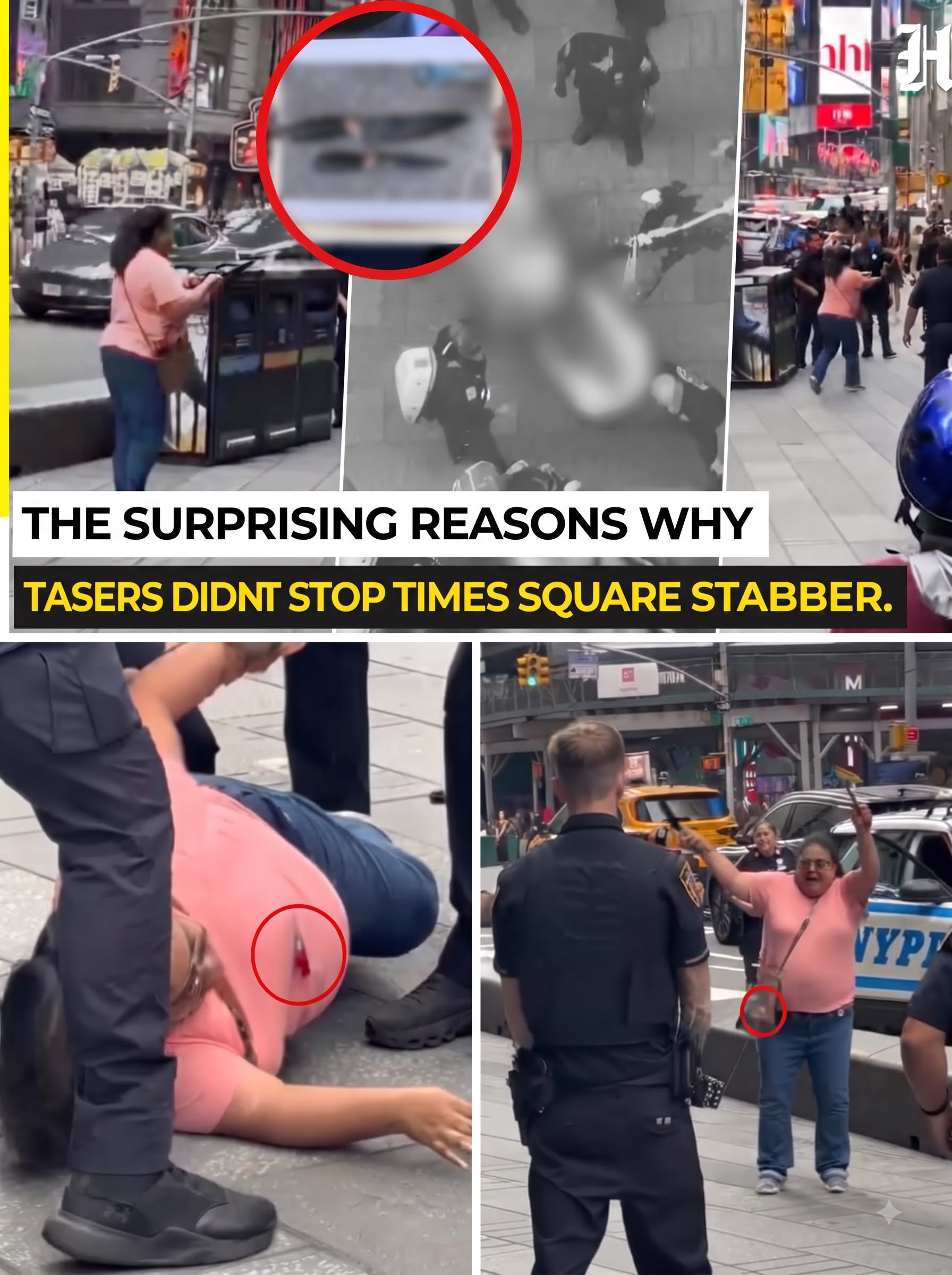
She refused.
As she continued moving and swinging the knives, police deployed Tasers.
But instead of collapsing, she kept moving.
The Tasers had failed to fully incapacitate her.
So what happened?
According to retired NYPD detective and Taser expert Artur Sadowski, several factors may have made the devices ineffective.
Tasers generally need both probes to make effective contact and create a circuit capable of causing temporary neuromuscular incapacitation.
But in this case, one probe reportedly struck Cisneros’ purse, which was wrapped around her body.
Other factors may also have mattered.
Her erratic movements made solid probe contact more difficult. Clothing and the amount of body tissue between the probes and muscles can also reduce the electrical effect.
Even when a probe appears to hit its target, a Taser does not necessarily guarantee an immediate stop.
Sadowski said Cisneros may have experienced pain or muscle cramping without losing enough muscle control to prevent her from continuing forward.
And then the situation reached its most dangerous moment.
She charged toward the officers while still holding the knives.
Police opened fire.
Cisneros was struck and later died at Bellevue Hospital.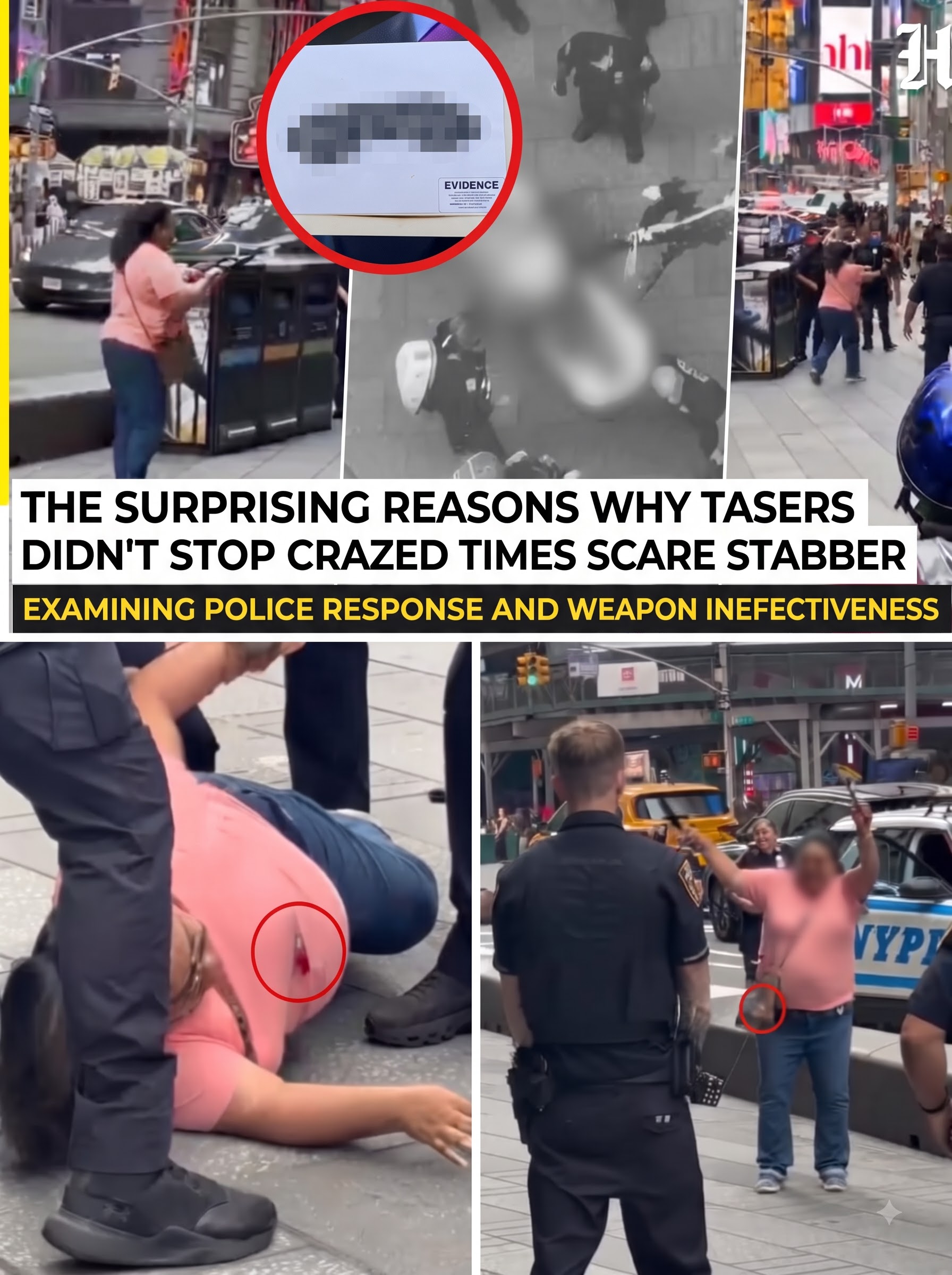
Now the incident is raising difficult questions about the split-second decisions officers face when a less-lethal weapon doesn’t work as intended.
Could the Tasers have been more effective under different circumstances?
Was there another way to stop the attack?
Or had the situation reached a point where officers believed they had no time left?
Those questions will likely be examined as investigators review the video and other evidence.
But amid the debate over police tactics, one fact remains devastating:
A 32-year-old woman who had just celebrated her wedding anniversary will never go home.
A second victim is recovering.
A family is mourning.
And a crowded New York City intersection became the scene of a tragedy that unfolded in only minutes.
💔 The Tasers were fired. They didn’t stop the threat. And then everything changed in seconds.
What do you think investigators should focus on when reviewing those final moments?