Tiger Woods Accepted a 5-Year Driving Suspension. Prosecutors Still Dropped the DUI Charge — Here’s Why
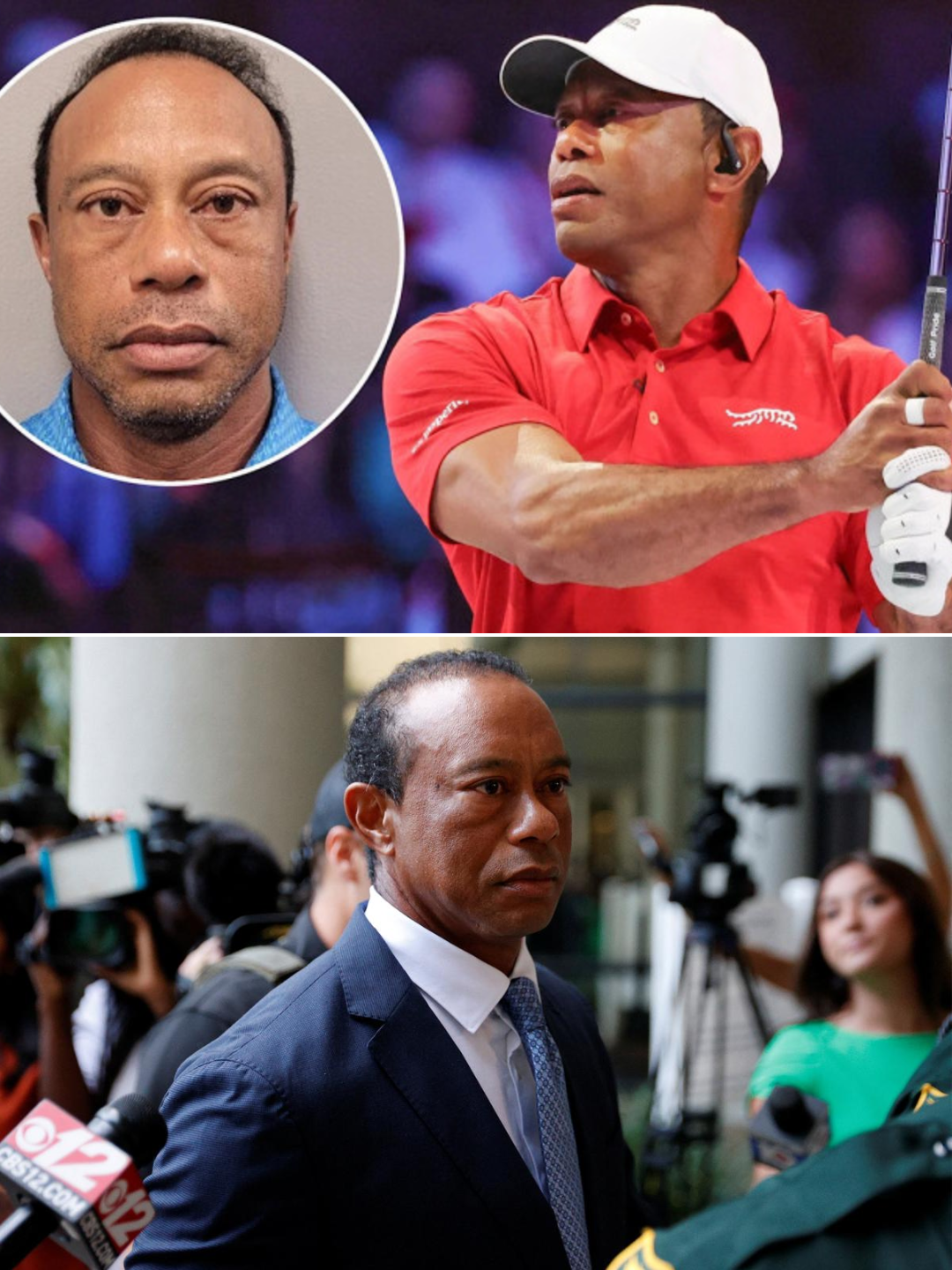
Tiger Woods walked out of a Florida courtroom with one of the most severe driving penalties of his life: a five-year suspension of his driver’s license.
Yet the most serious charge against him was gone.
Woods, 50, entered a no-contest plea to lesser driving charges stemming from his March 27 rollover crash near his Jupiter Island home. He avoided jail, received fines and lost his driving privileges for five years.
Prosecutors, meanwhile, dropped the DUI charge that had originally placed Woods at the center of another high-profile impaired-driving case.
At first, those two outcomes seem difficult to reconcile.
If the case was serious enough to justify taking away Woods’ license for five years, why would prosecutors abandon the allegation that he had been driving under the influence?
The answer, according to prosecutors, was not that investigators suddenly decided nothing concerning had happened.
It was about what they believed they could actually prove in court.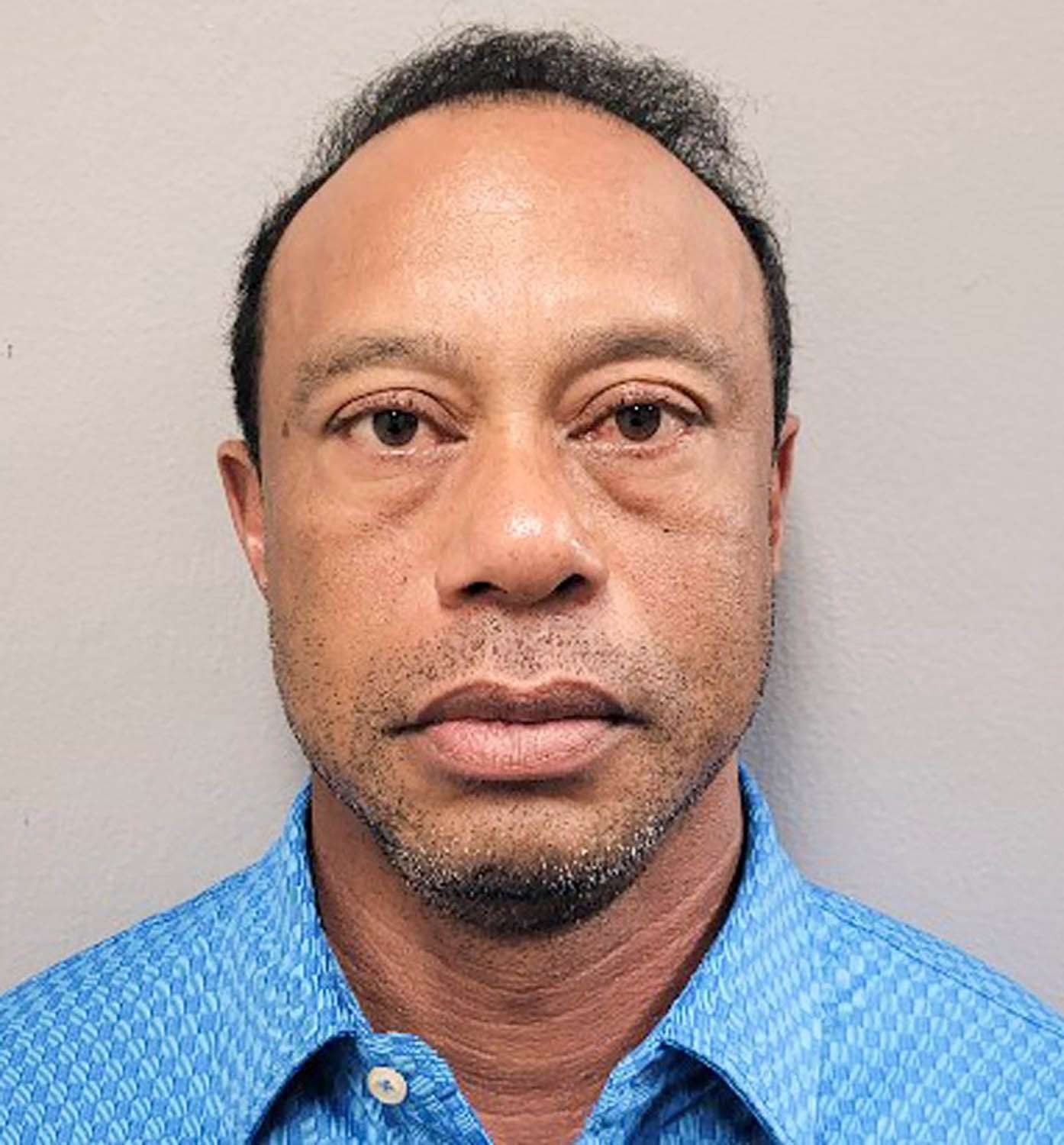
The March Crash Led to a DUI Investigation
The case began March 27 after Woods’ vehicle crashed and rolled over near his Florida home.
No one else was injured.
According to law-enforcement records, officers who encountered Woods after the crash documented physical observations they believed were consistent with possible impairment. Deputies also reported finding hydrocodone pills in his possession. Woods was subsequently arrested on suspicion of driving under the influence.
Woods initially pleaded not guilty.
The case then became more complicated as investigators obtained additional information about his medical history, prescription medications and extensive history of surgeries.
Woods has undergone numerous procedures during a career marked by serious back, knee and leg injuries.
After the March crash, he also traveled outside the United States for treatment with court permission and provided investigators with prescription and hospital records.
Those records ultimately became important to the prosecution’s decision.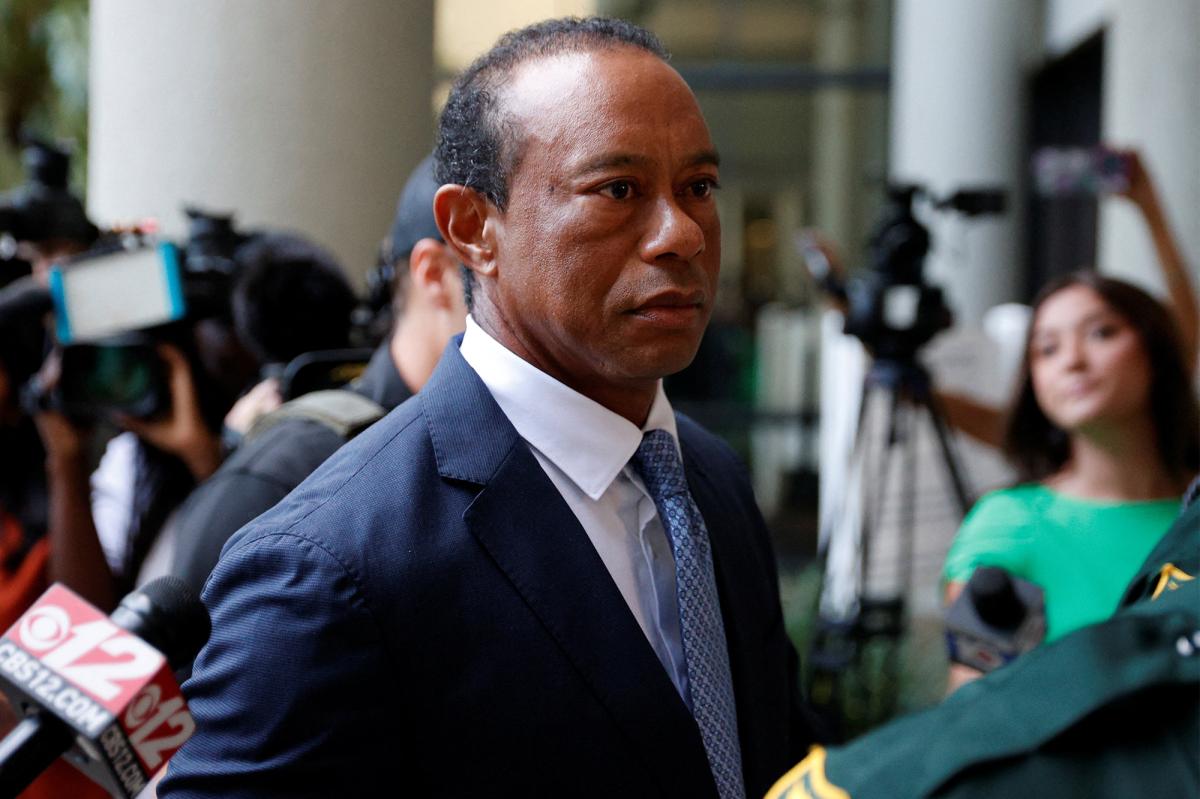
Prosecutors Had to Prove Impairment — Not Simply the Presence of Medication
Finding prescription pain medication on someone after a crash can become part of a DUI investigation.
But it does not automatically prove that person was legally impaired while driving.
That distinction became central to Woods’ case.
State Attorney Thomas Bakkedahl said prosecutors faced significant difficulties establishing impairment because of Woods’ documented medical history, his prescription records and the possibility that years of treatment had produced a pharmacological tolerance to certain medications.
In practical terms, prosecutors had to consider whether the physical signs reported by officers could be conclusively tied to impairment from medication rather than Woods’ underlying medical condition, treatment history or other factors.
The Associated Press similarly reported that medical and toxicological evidence did not give prosecutors sufficient evidence to establish the DUI allegation to the required legal standard.
That is very different from saying police had no reason to investigate.
Officers could document what they observed and make an arrest based on the circumstances in front of them.
Prosecutors later had to answer another question:
Could those observations be turned into evidence strong enough to prove a DUI case?
Their conclusion was that the answer was uncertain enough to justify dropping the charge.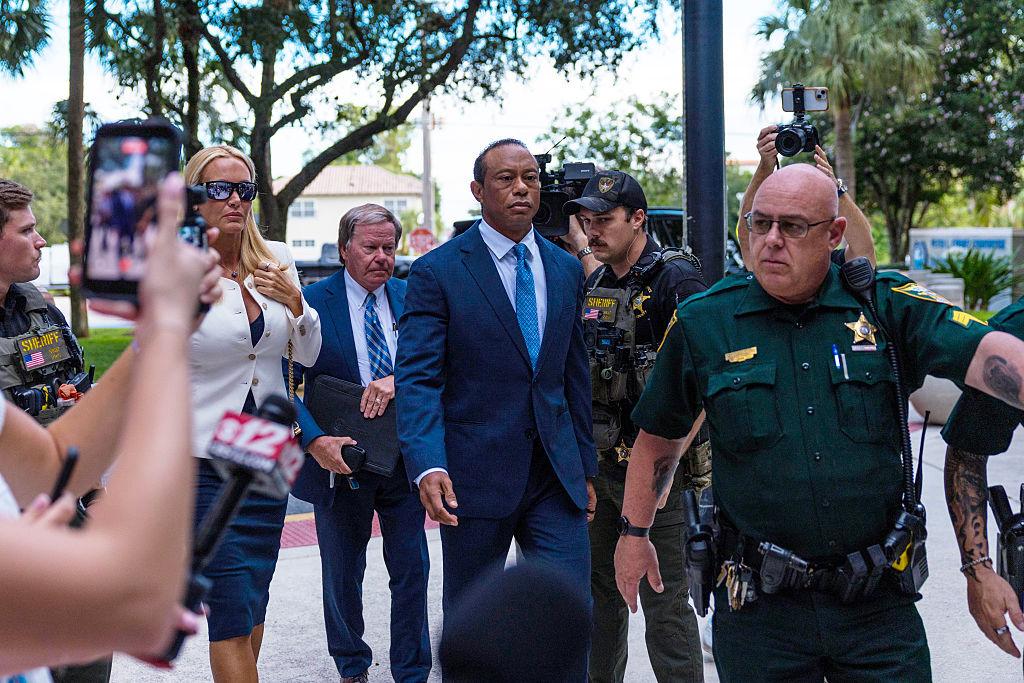
Woods Changed His Plea
Woods had originally denied the DUI-related allegations and requested a jury trial.
But as the case approached its next stage, court documents revealed that he planned to change his plea.
He ultimately entered no contest to lesser reckless-driving-related charges in Martin County court.
A no-contest plea means a defendant accepts the legal consequences of the charge without formally admitting guilt.
Judge Darren Steele imposed five-year license suspensions, along with roughly $1,500 in fines. Woods avoided jail time.
The DUI count was dismissed as part of the resolution.
That combination created the seemingly contradictory headline:
A five-year license suspension on one hand.
No DUI conviction on the other.
But the penalties came from the lesser driving offenses Woods agreed not to contest, while the DUI allegation required proof of impairment that prosecutors concluded presented significant evidentiary problems.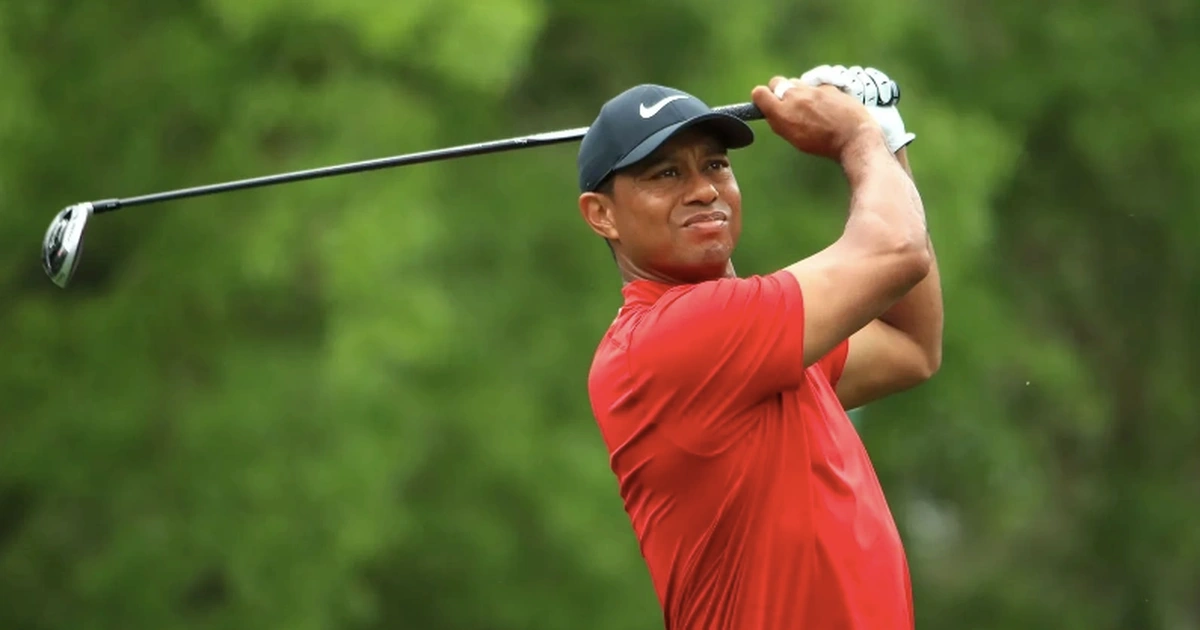
The Police Observations Did Not Simply Disappear
It is important to separate the different stages of the case.
Police records described Woods as showing several physical signs that raised concerns after the crash.
A probable-cause affidavit described him as lethargic and sweating heavily and noted observations involving his eyes and pupils. Officers also reported discovering two hydrocodone pills.
Those details were part of the basis for the original investigation and arrest.
But they were not, by themselves, a final judicial determination that Woods was impaired.
Prosecutors had to evaluate those observations alongside other evidence that later became available.
That included Woods’ medical records, prescription history and information about his extensive surgical history.
The prosecutor’s explanation therefore did not necessarily contradict what officers believed they saw at the roadside.
It reflected the higher evidentiary hurdle involved in turning those observations into a criminal conviction.
Woods’ Medical History Became a Major Issue
Few professional athletes have a medical history as extensive or as publicly documented as Woods’.
Years of elite golf and multiple serious injuries have resulted in numerous operations and long periods of rehabilitation.
That history became relevant once medication entered the criminal case.
Bakkedahl specifically pointed to the possibility of pharmacological tolerance — the idea that a person who has taken a prescribed medication over time may respond differently to it than someone without that history.
That complicated the prosecution’s ability to use the presence of medication as straightforward evidence of impairment.
Woods’ attorneys provided prescription and hospital records during the investigation, giving prosecutors more medical context than officers had available immediately after the crash.
Ultimately, the state chose not to take the DUI allegation to trial.
The Five-Year Suspension Is Still a Major Penalty
Dropping the DUI charge does not mean Woods emerged from the case without consequences.
Five years without a driver’s license is a substantial restriction.
He also received monetary penalties and the legal consequences associated with his no-contest plea.
Bakkedahl emphasized that Woods’ celebrity did not eliminate the need for accountability, even as prosecutors acknowledged the weaknesses they saw in proving the more serious offense.
For Woods, the case adds another difficult chapter to a public life that has repeatedly moved between extraordinary athletic achievements and highly visible personal setbacks.
He has won 15 major championships and 82 PGA Tour events, tying the all-time Tour victory record, but injuries have severely limited his competitive golf in recent years.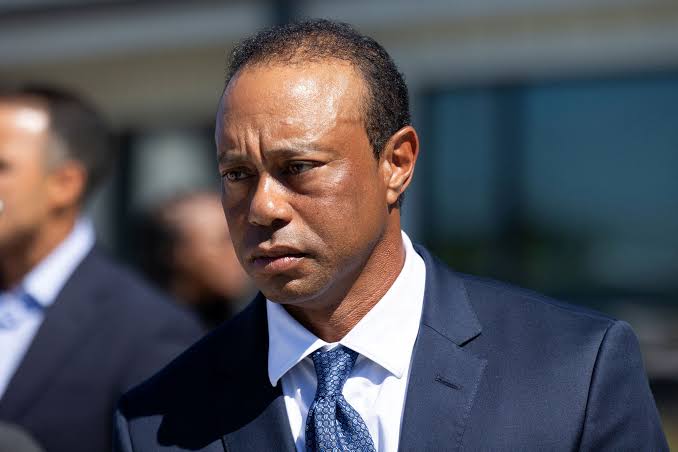
Why the DUI Charge Went Away
The ultimate explanation is less mysterious than the outcome initially appears.
Prosecutors did not need to decide whether Woods’ behavior on March 27 looked concerning.
They needed to decide whether they could prove beyond the required legal standard that he had been driving while impaired.
Police observations supported the original suspicion.
But Woods’ prescription records, medical history, surgeries and potential medication tolerance complicated the interpretation of those observations.
The state decided the DUI charge was not strong enough to pursue.
Woods, in turn, accepted significant consequences on the lesser driving charges rather than continuing toward a trial.
So the five-year suspension and the dropped DUI count are not actually opposites.
They represent two different conclusions about the same crash.
Woods accepted responsibility under the lesser charges.
But when it came to the biggest allegation — that he was legally impaired behind the wheel — prosecutors decided the evidence could not get them where they needed to go.