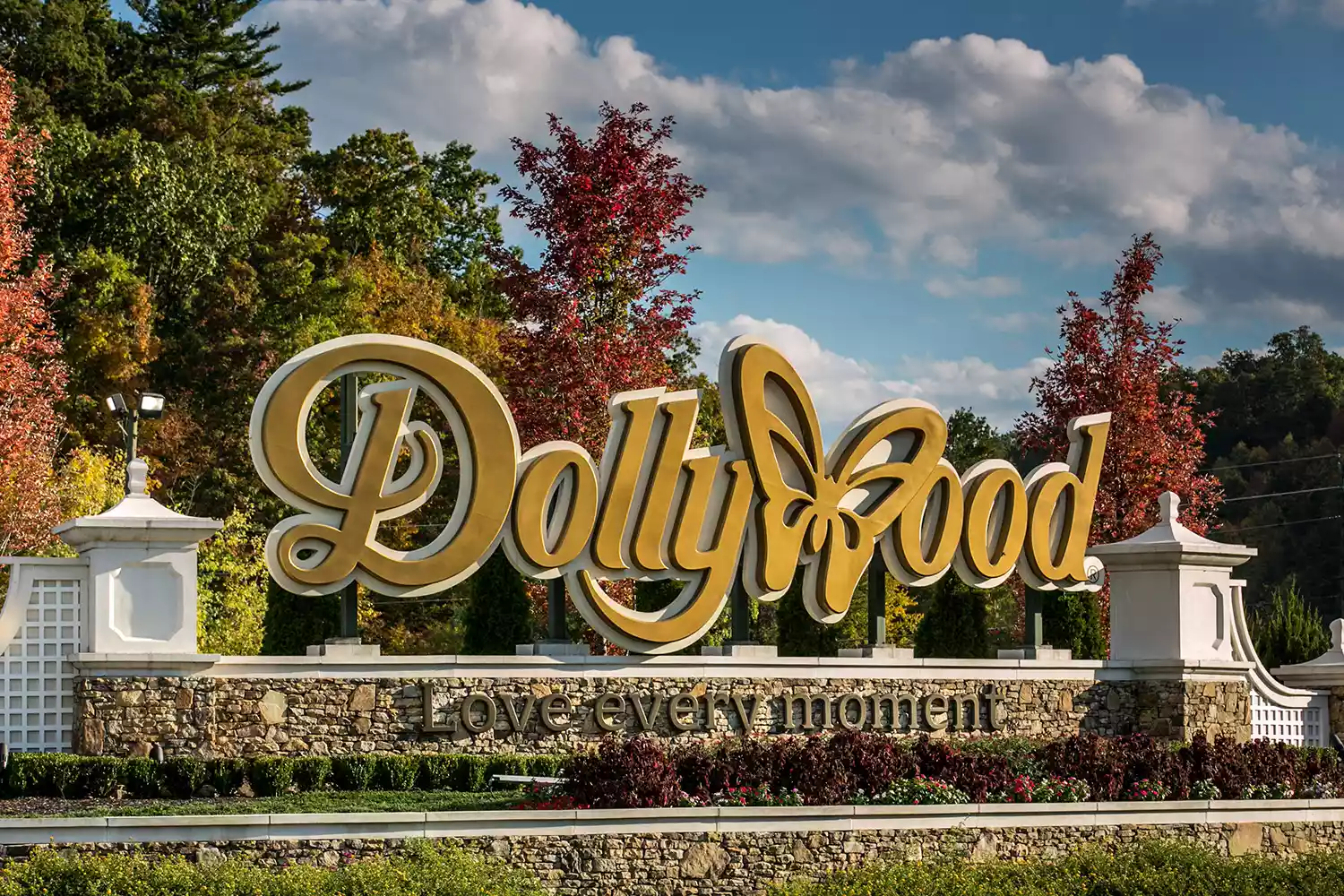
Dollywood Reveals the Changes Dolly Parton Discussed Before Her Death — and How Her Vision Will Live On
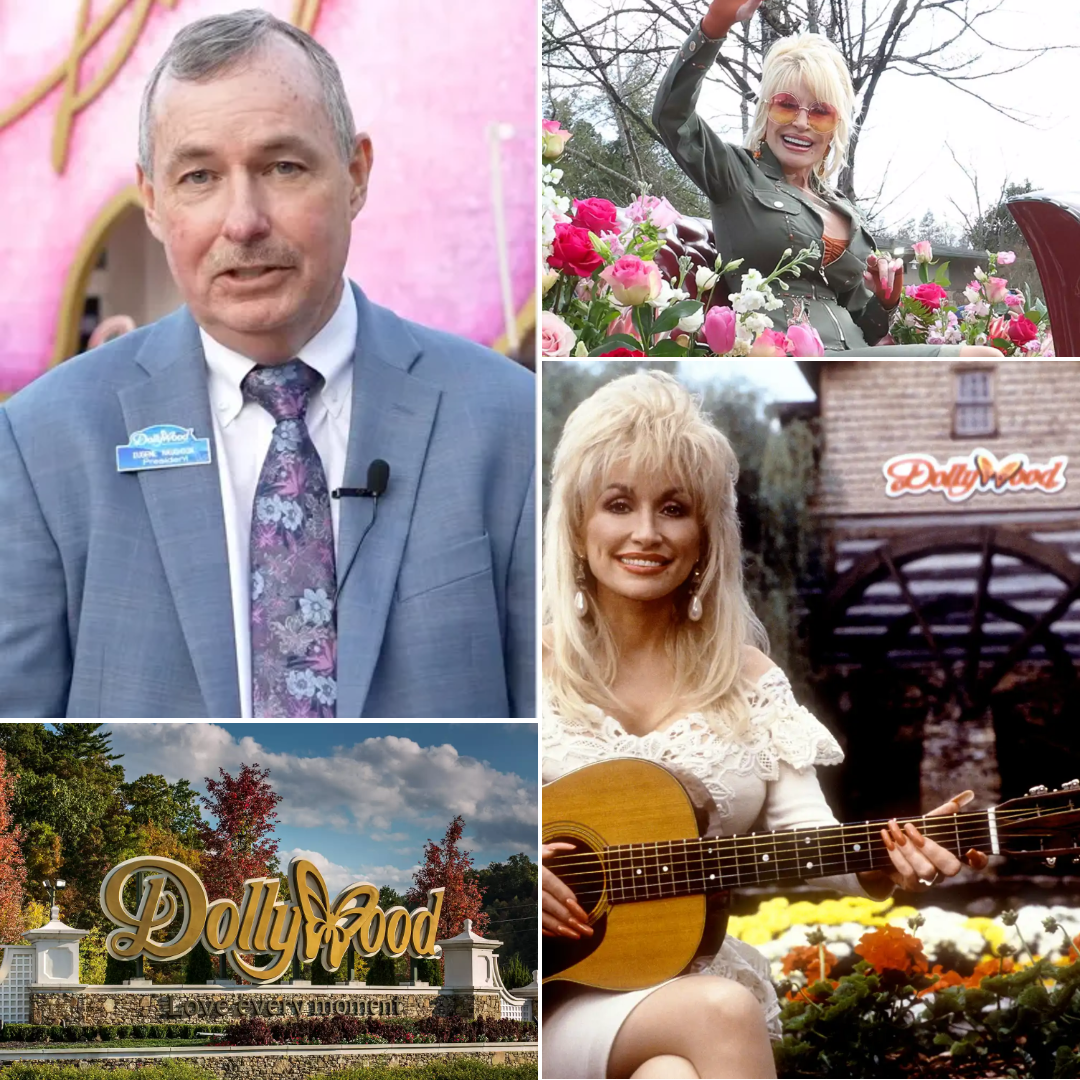
Dollywood is preparing for a future without Dolly Parton physically walking through its gates, but the people responsible for the Tennessee theme park say that future was not left entirely to chance.
Long before her death at 80, Parton had conversations with Dollywood leaders about what she wanted the park to remain and how her values should continue to shape it. Now, some of those discussions are becoming visible through a series of additions designed to make her presence — and the ideas she cared about most — part of the guest experience for years to come.
Dollywood Parks & Resorts President Eugene Naughton said members of the team had spoken extensively with Parton over the years about carrying her vision forward. The changes announced Sept. 2 will focus not simply on remembering the country music legend, but on the themes that repeatedly defined her relationship with the park: family, imagination, faith, kindness, nature and dreaming big.
For a destination so closely connected to one person, that distinction matters.
Dollywood will not become a place frozen in mourning. Instead, the park intends to keep growing while finding new ways for guests to understand the woman whose name has been attached to it for four decades.
One of the most contemplative new features will be a cascading waterfall created as a place where visitors can stop and reflect.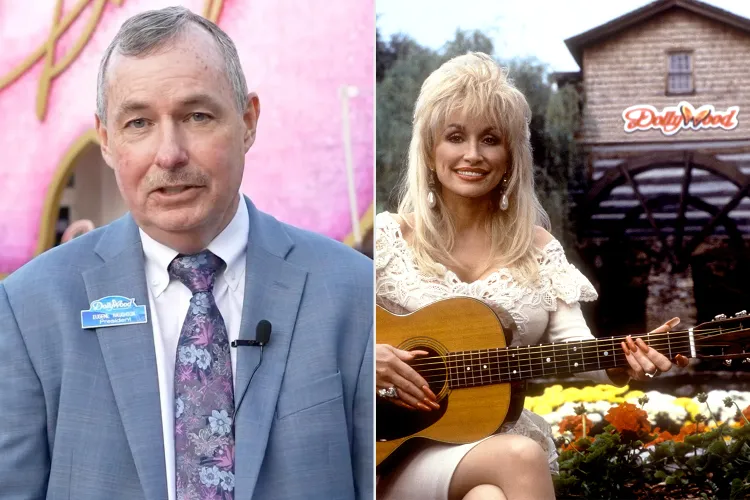
Another deeply personal addition is planned for the park’s chapel.
New stained-glass windows will incorporate Parton’s favorite Bible verse, the passage from Ecclesiastes beginning, “For everything there is a season.” The windows will visually represent the changing seasons across a mountain landscape, connecting Parton’s faith with the scenery of the region she called home.
The result is intended to feel less like a traditional memorial and more like an extension of ideas that were already important to her.
That approach will continue elsewhere in the park.
Parton’s lifelong enthusiasm for encouraging children to read — most famously reflected in her Imagination Library — will help inspire an entirely new character called the Dream Maker.
Rather than simply representing Parton herself, the character is designed around the lessons Dollywood wants younger visitors to take away from her life: believe in yourself, pursue large dreams, show courage and treat other people with kindness.
It turns something closely associated with Parton into an experience that can continue reaching children who may never have had the chance to see her at Dollywood in person.
The existing Dolly Parton Experience will also become more prominent.
A newly designed entrance, described as a portal into the attraction, will create a clearer gateway to the area devoted to Parton’s life and career. Instead of visitors simply encountering the exhibition as one part of a much larger theme park, the new entrance is meant to signal that they are stepping into a space specifically dedicated to the woman behind Dollywood.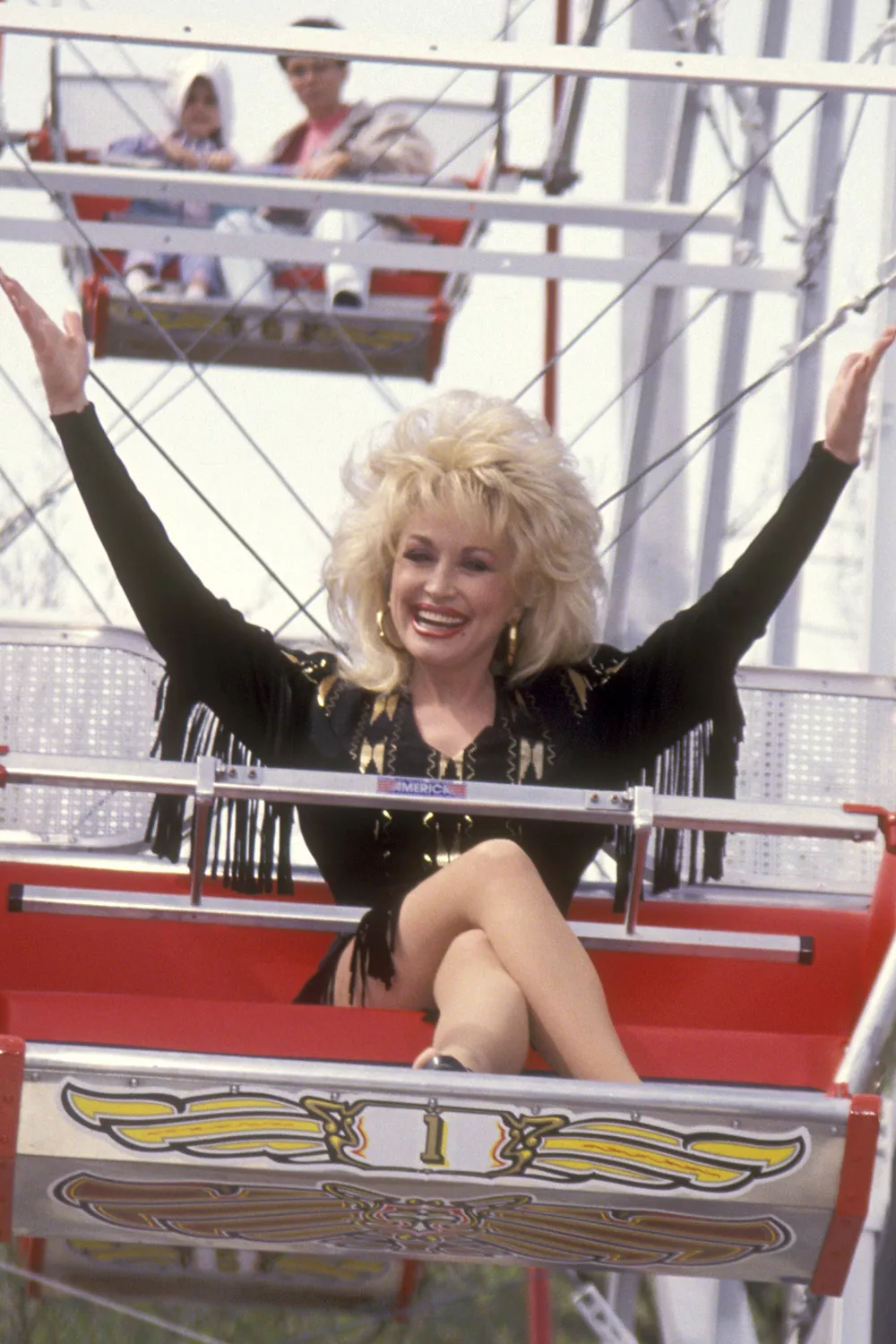
Guests will also be invited to participate in the remembrance themselves.
Kiosks positioned around the park will give visitors places to record thoughts and memories about Parton and describe the ways she affected their lives.
That may prove particularly meaningful in the immediate aftermath of her death.
For many Dollywood visitors, Parton was never merely the celebrity whose name appeared on signs and merchandise. Generations of families traveled to Pigeon Forge with memories connected to her songs, television appearances, movies, philanthropy and Appalachian roots.
Allowing those people to leave their own reflections gives the park an evolving collection of personal stories rather than a memorial told only from Dollywood’s perspective.
The park has already created a temporary tribute in its welcome plaza where visitors can remember Parton and reflect on the joy she brought to people around the world.
But Dollywood’s long-term plan is much larger than one memorial area.
Naughton has emphasized that the goal is to preserve the spirit Parton wanted the park to represent — a destination built around families spending time together, creating memories and experiencing a sense of warmth and hospitality.
That philosophy also explains an important decision made immediately after her death.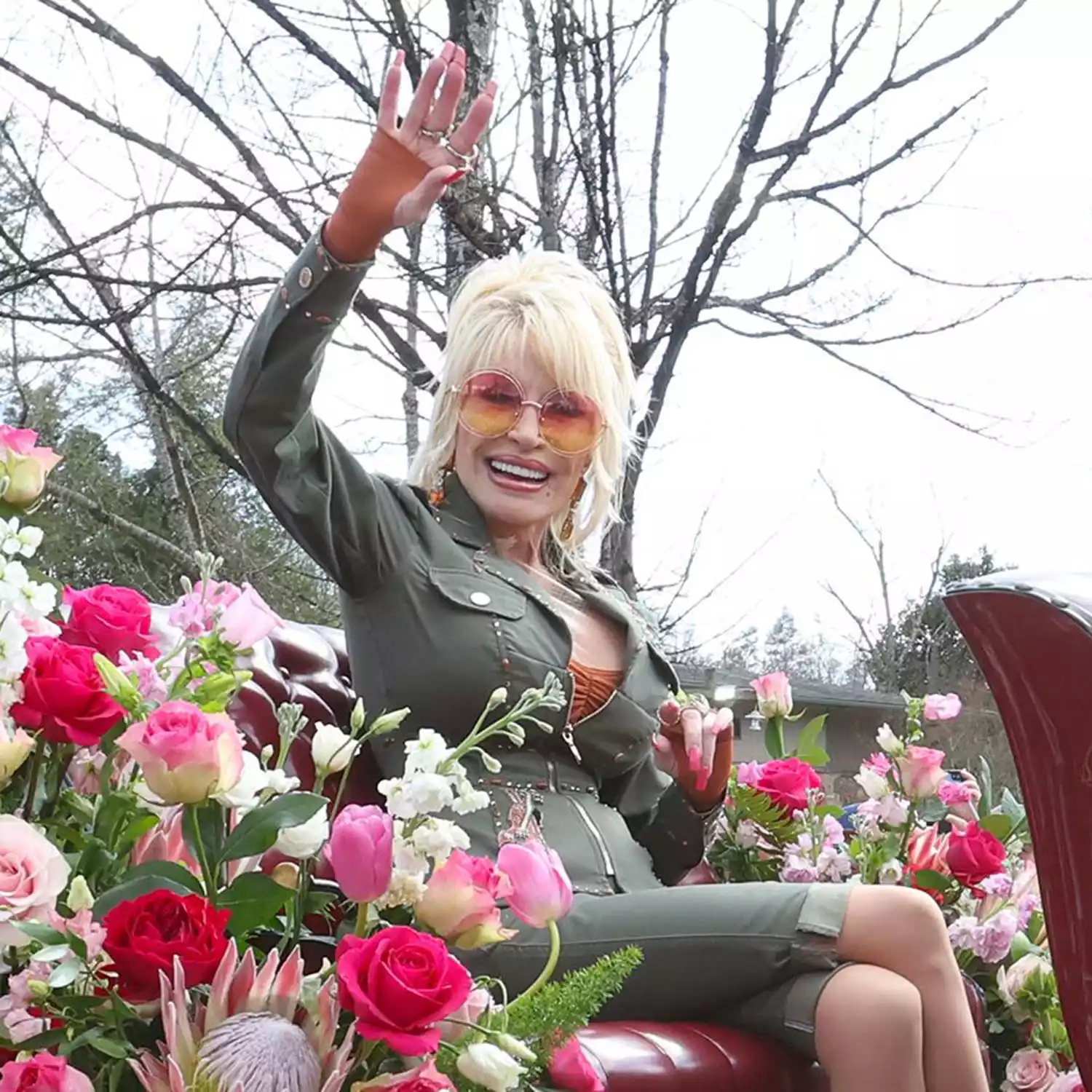
Dollywood did not shut down for a period of mourning.
Parton had wanted the park to continue operating. The message from its leadership was essentially the same philosophy associated with entertainment throughout her career: the show must go on.
Continuing, however, does not mean pretending nothing has changed.
Parton had been connected to Dollywood as a co-owner since 1986, helping transform the Pigeon Forge attraction into one of Tennessee’s best-known destinations. Her relationship with the park was unusually personal because it existed only a short distance from the places where her own story began.
Another new project will extend that connection beyond Dollywood itself.
A program called “In Dolly’s Footsteps” will place special walking-tour markers around Sevierville, the Tennessee town where Parton spent much of her childhood. Visitors will be able to discover locations that played meaningful roles in her early life, creating a physical link between the superstar she eventually became and the mountain community where she started.
Together, the projects reveal how Dollywood intends to handle an unusually difficult transition.
There will be places explicitly devoted to remembrance.
There will also be attractions rooted in Parton’s beliefs rather than her image.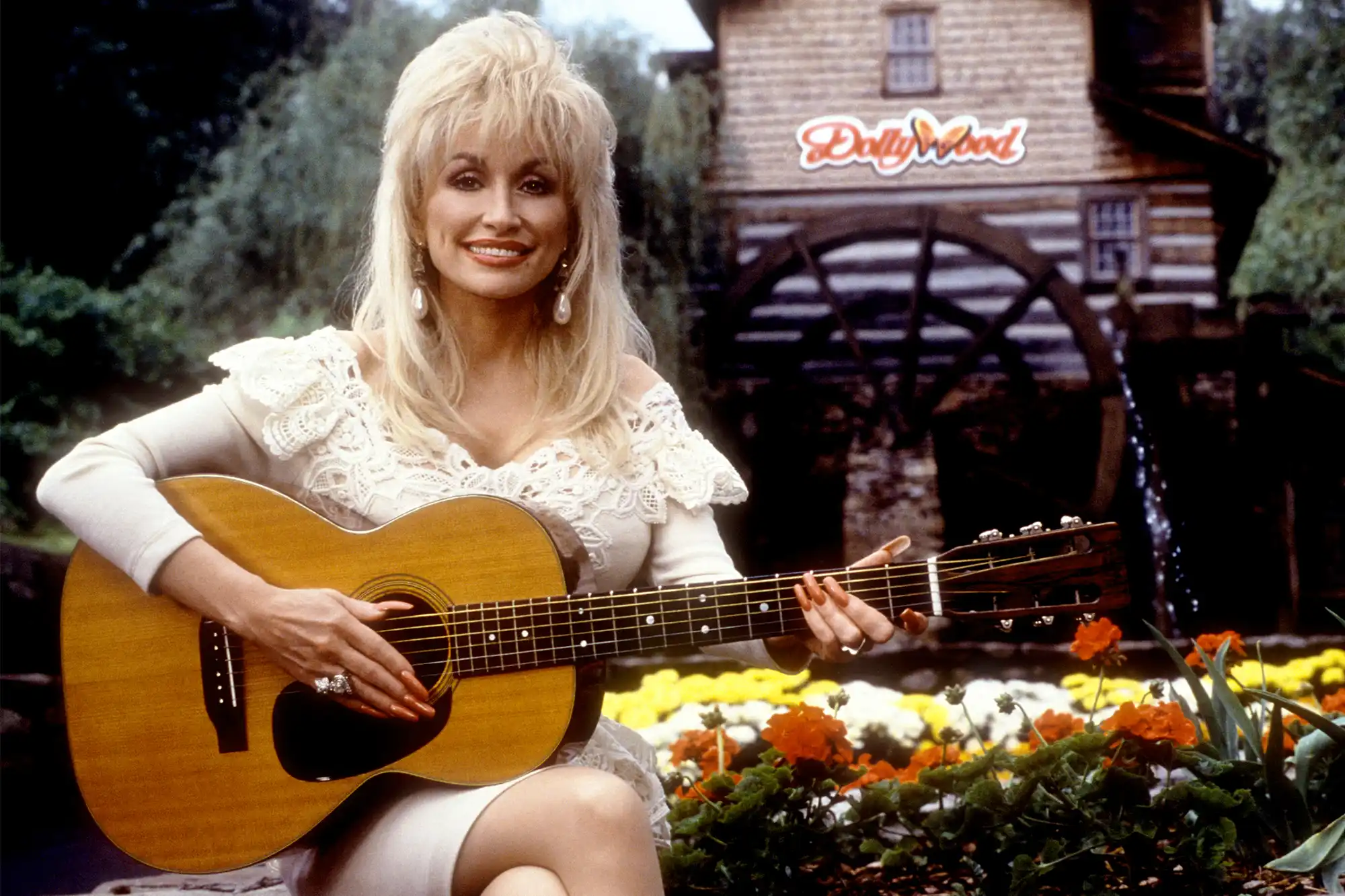
A waterfall will invite quiet reflection. Stained glass will preserve something connected to her faith. A children’s character will encourage imagination and kindness. A redesigned entrance will lead visitors into her life story. Memory stations will allow fans to contribute their own stories.
And beyond the park, visitors will be able to walk through parts of the community that shaped her.
The overall message is that Dollywood does not plan to turn Dolly Parton into something belonging only to the past.
Naughton has said the park will continue growing, welcoming new visitors and maintaining the family-centered atmosphere Parton valued.
That may ultimately be the most important part of the plan.
Dollywood was built around Dolly Parton, but according to the conversations she had with the people running it, keeping her vision alive was never supposed to mean keeping everything exactly the same.
The park can change.
It can expand.
New generations can arrive.
But if families continue leaving with memories of joy, generosity, imagination and time spent together, Dollywood’s leaders believe something essential about Dolly Parton will still be there.