SIX YEARS TO END A MARRIAGE — THEN MONTHS OF SILENCE BEFORE THE TIMES SQUARE ATT@CK
SIX YEARS TO END A MARRIAGE — THEN MONTHS OF SILENCE BEFORE THE TIMES SQUARE ATTACK
Pamela Cisneros’ marriage took years to officially end. But according to court records and accounts from her family, the period that followed was marked by growing isolation, professional setbacks and increasing distance from her children.
Pamela’s husband filed for divorce in Florida in 2020. The case remained tied up in a prolonged custody dispute before the marriage was officially dissolved in 2025. During those years, Cisneros’ personal life was already under significant strain.
By the time the divorce was over, she was living alone in Queens.
From the outside, it could have looked like the beginning of a new chapter.
But her family says something had changed.
 THE MARRIAGE WAS ALREADY FALLING APART
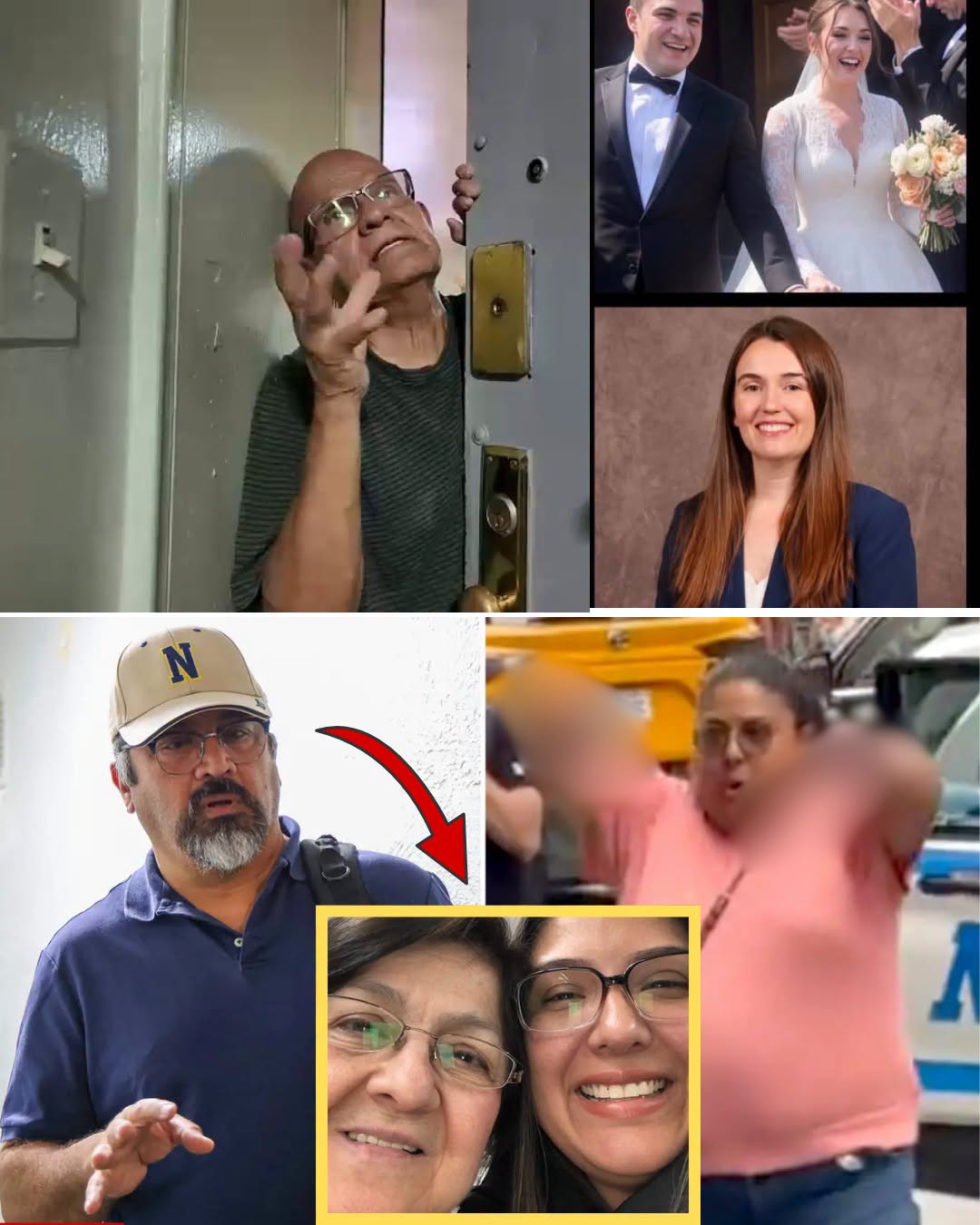
Cisneros and her husband, Jose Lopez, married in 1999 and had three daughters.
By 2018, the couple had separated, and Cisneros had returned to Queens while family-court proceedings continued in Florida. Her husband formally filed for divorce in 2020.
The legal battle also involved custody of their youngest daughter.
Court records later revealed that the divorce process continued for years before finally ending in 2025.
The prolonged breakup unfolded alongside serious personal difficulties.
Cisneros had struggled with mental-health problems for years. Her father, Mario Cisneros, said she experienced a major crisis in 2019 and subsequently received regular treatment that he believed helped stabilize her.
But in April 2026, her father said, she declined his offer to accompany her to a scheduled appointment.
She told him she could go herself.
“Don’t worry about me,” he recalled her saying.
He believed she was doing better.
 DISTANCE FROM HER CHILDREN
The divorce also changed Cisneros’ relationship with her three daughters.
According to family accounts and court records, two of the girls were living in Florida with their father, while another daughter, who is autistic and nonverbal, lived in a care facility in Brooklyn.
Her brother Patrick Peralta said Cisneros continued visiting her mother and maintained contact with family members, but she was increasingly separated from the everyday lives of her children.
The distance was not necessarily complete.
Court records contain messages in which Cisneros expressed love for her daughters and told them that she would always be there for them.
But the family structure around her had changed dramatically.
She was increasingly living on her own.
THEN THE FAMILY SAW HER LESS
In the months before the Times Square attack, relatives noticed that Cisneros was not around as much.
Peralta told reporters that the last time he saw his sister was Aug. 10, when the family gathered for their stepfather’s birthday.
He also said she had regularly visited their mother but had recently stopped coming.
Then came the Saturday before the Times Square attack.
Family members contacted her.
According to Peralta, she told them she was fine.
There was no obvious warning that, just days later, she would become the central figure in a tragedy that would leave one woman dead and another seriously injured.
AUGUST 31 CHANGED EVERYTHING
On Aug. 31, 2026, Cisneros allegedly walked through Times Square carrying two kitchen knives.
Police say she attacked 68-year-old Tak Kam before fatally attacking 32-year-old Erin Piacenti.
Piacenti was a Bank of America vice president and lawyer who had just returned to work after maternity leave. She was on her way home to New Jersey, where she lived with her husband and their five-month-old daughter.
Minutes later, police confronted Cisneros.
Officers repeatedly ordered her to drop the knives. According to police, she refused and advanced toward them. After attempts to subdue her with Tasers, two officers fired, and Cisneros was taken to Bellevue Hospital, where she was pronounced dead.
THE QUESTIONS LEFT BEHIND
The tragedy has prompted renewed attention to the months before the attack — the divorce, the custody dispute, the professional difficulties, the separation from her children and the mental-health treatment her family said had helped her remain stable.
But those facts do not provide a simple explanation for what happened in Times Square.
They are pieces of a much larger and still incomplete story.
Cisneros’ family has said they did not see the attack coming.
Her father believed she had finally turned a corner.
Her brother said there had been no obvious sign that something catastrophic was about to happen.
And yet, within days of her last contact with relatives, Pamela Cisneros was dead and Erin Piacenti — a new mother returning home from her first day back at work — was gone.
The marriage had taken years to end.
The family distance had grown gradually.
But the final turn in Pamela Cisneros’ life came with devastating speed.