Dolly Parton’s Sister Says Much of the Family Never Knew About Her Cancer — She Explains Why Dolly Kept It That Way
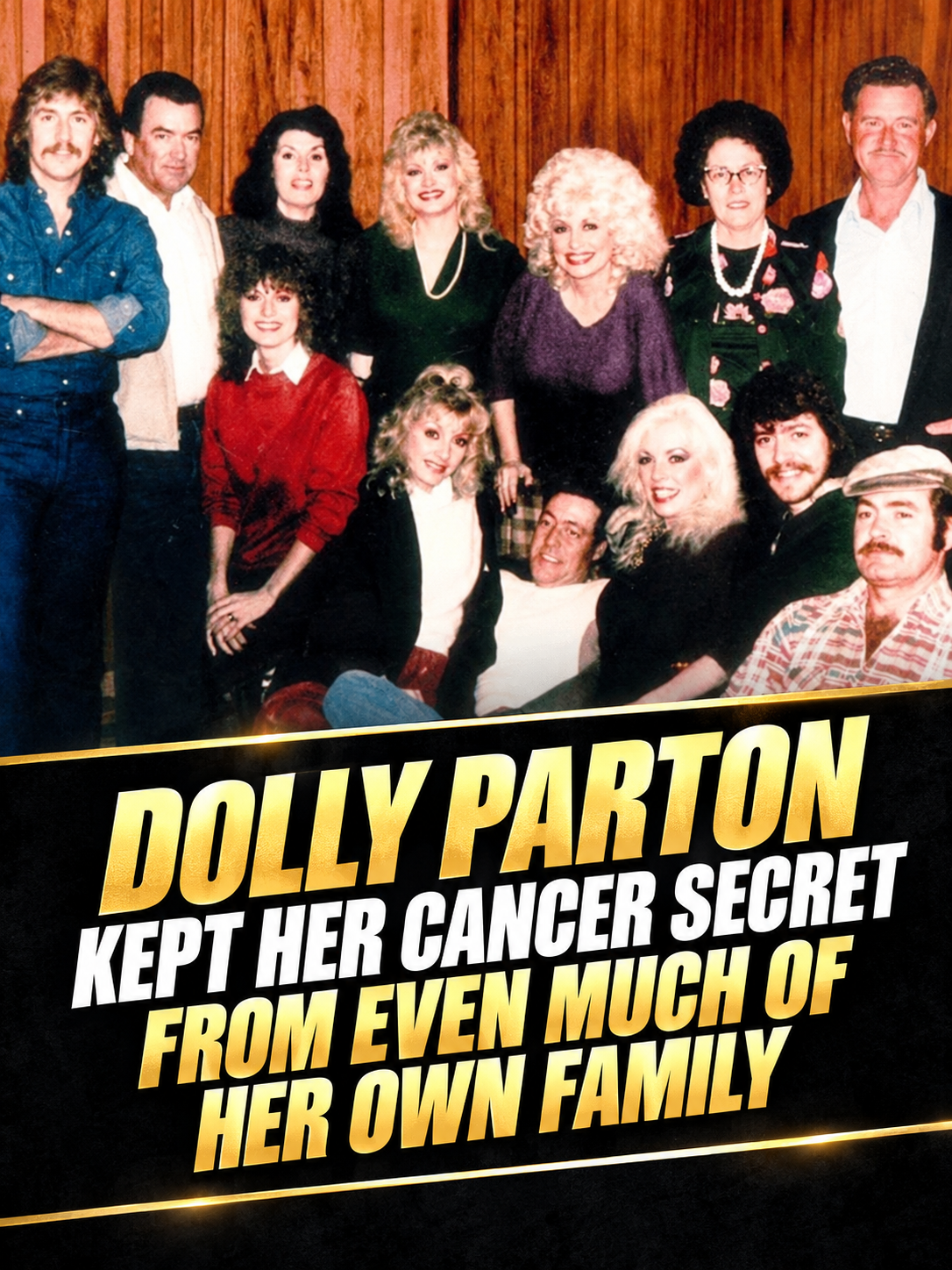
For six decades, Dolly Parton lived one of the most public lives in American entertainment.
Fans knew the songs, the rhinestones, the jokes and the stories behind classics like “Jolene” and “I Will Always Love You.” They watched her move from country music into movies, television, business and philanthropy.
But during one of the most serious periods of her life, Parton kept something remarkably private.
Not only did millions of fans have no idea she was battling cancer before her death on Aug. 25, 2026 — according to her sister Stella Parton, even much of Dolly’s own extended family did not know.
Now Stella is explaining why.
In her first major interview following her sister’s death, Stella told Gayle King on CBS Mornings that knowledge of Dolly’s illness was limited largely to relatives who were especially close to her.
“Some of us knew,” Stella said, explaining that the entire extended family had not been told.
The reason was not a complicated family dispute or an attempt to shut people out.
It was, Stella said, very much in keeping with the way Dolly approached the people who loved her.
“She did not want people sad.”
Stella said Dolly did not want her fans worrying about her either, describing her sister as someone who had difficulty surrounding herself with negativity.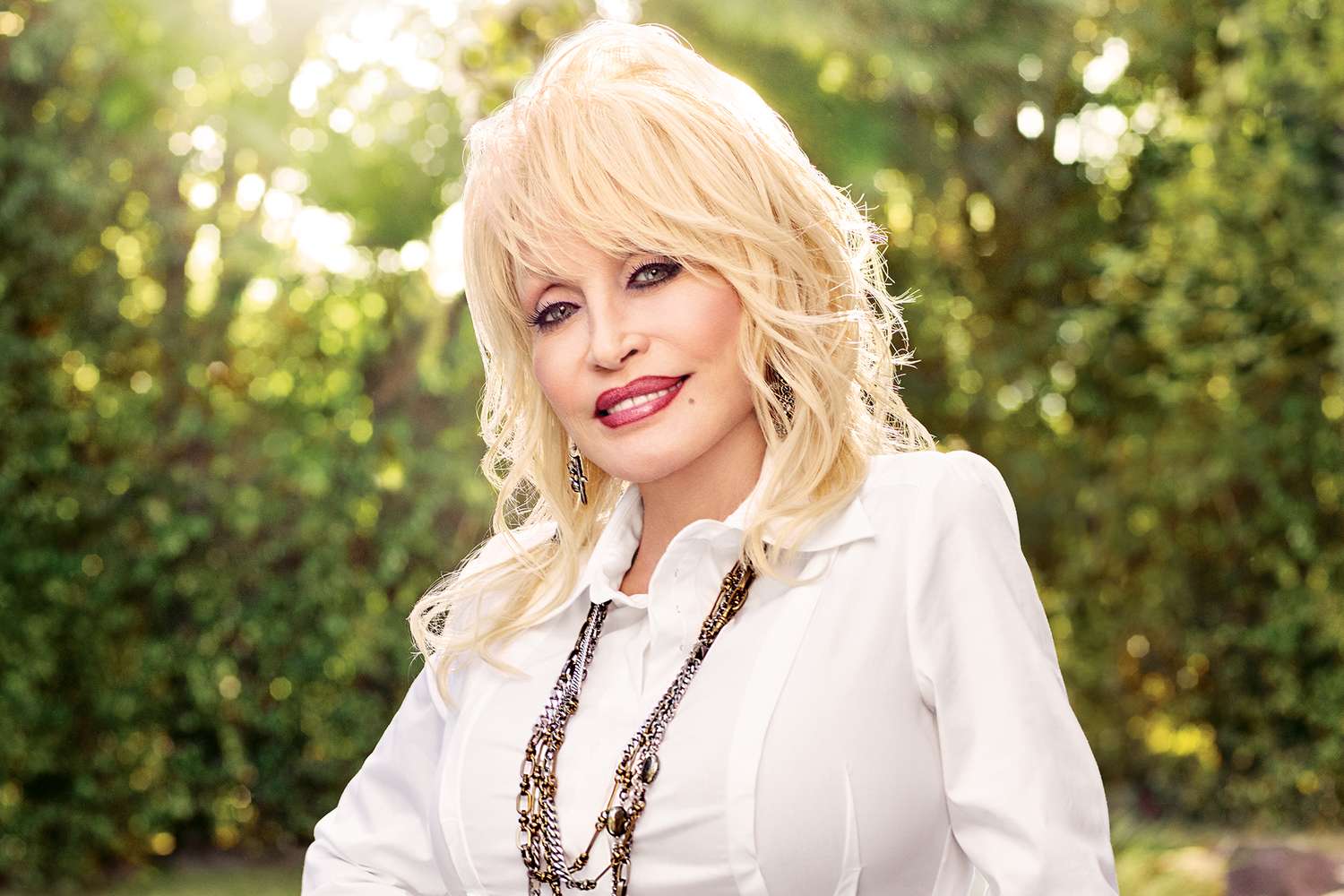
A Diagnosis the Public Never Fully Saw
Parton died at age 80 at Vanderbilt-Ingram Cancer Center in Nashville. Her team said she had faced a “brief battle with cancer” and was surrounded by loved ones when she died. Neither the type of cancer nor the precise length of her illness has been publicly disclosed.
That privacy made the announcement especially shocking.
There had been signs that Parton was dealing with health problems, but nothing publicly confirmed the seriousness of what she was facing.
In October 2025, her sister Freida Parton prompted concern when she asked fans to pray for Dolly. Dolly later reassured the public that she was OK. Then, in May 2026, she acknowledged receiving treatment for health issues and said she had experienced problems involving kidney stones as well as her immune and digestive systems. She also said she was not ready to return to “stage performance level” and canceled planned Las Vegas appearances.
What fans did not know was that another, far more serious battle was unfolding privately.
And according to Stella, many relatives were largely in the same position.
For a woman born into a family of 12 children and whose Tennessee roots remained a central part of her identity throughout her career, the decision to keep such consequential news within a very small circle is striking.
But Stella’s explanation suggests Dolly was thinking less about secrecy for its own sake than about protecting other people from fear.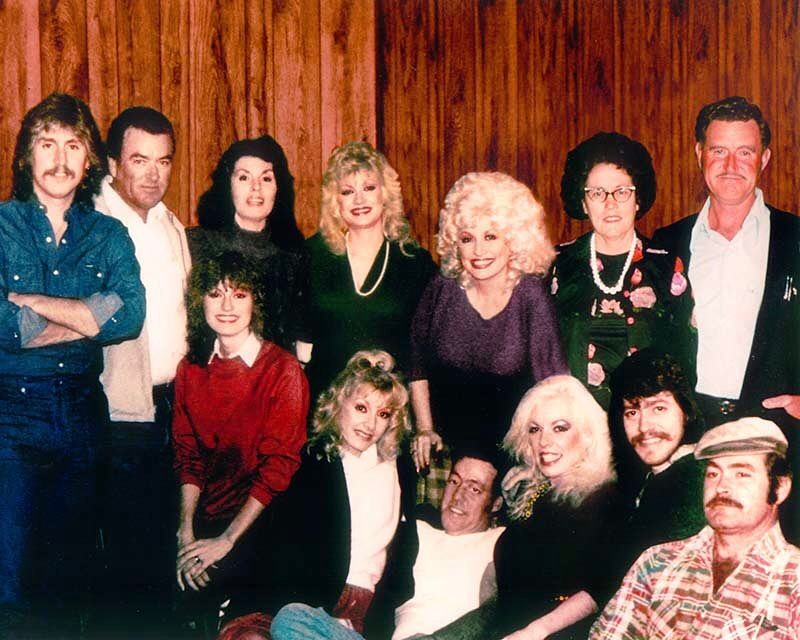
Even During Her Illness, Dolly Was Thinking About Someone Else
That idea becomes even more revealing through another story Stella shared after her sister’s death.
According to Stella, Dolly had discussed what she would be willing to do if her doctors reached a point where conventional treatments offered her no hope.
She was prepared, Stella said, to let her medical team try experimental drugs — not simply because they might help her, but because the results might eventually help other patients.
It is impossible to know whether such experimental treatment was ultimately used, and Stella did not say that it was.
But the offer itself fits a pattern that followed Parton for decades.
Long before her cancer diagnosis became public, Dolly repeatedly connected her success to causes that could benefit people she would never meet.
Her Imagination Library grew from a literacy program in her home county into a massive book-gifting initiative for young children. Her Dollywood Foundation supported education, and Dollywood later expanded benefits to help employees pursue higher education. During the COVID-19 pandemic, Parton donated $1 million to research at Vanderbilt University that contributed to work associated with the Moderna vaccine.
The possibility that she was still considering how her own medical treatment could benefit someone else makes Stella’s account of her final months feel less like an isolated story and more like an extension of the life Dolly had already been living.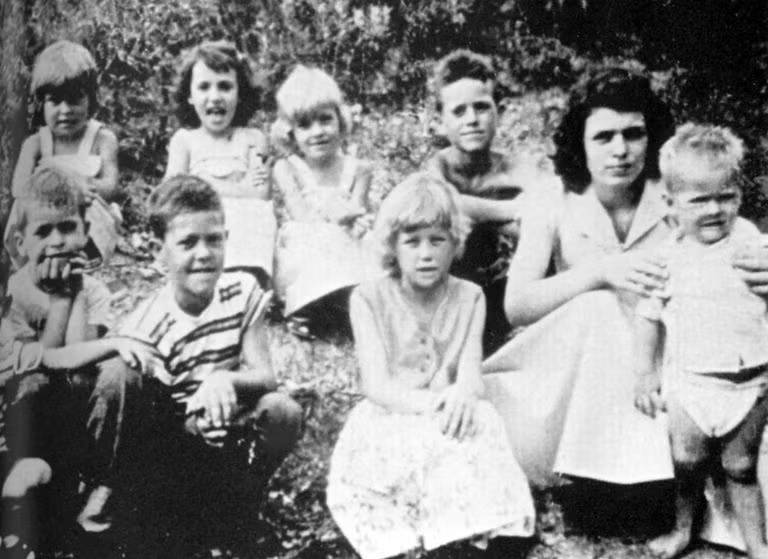
The Private Side of a Very Public Star
Parton had spent much of her career mastering a difficult balance.
She could make audiences feel as though they knew her while maintaining firm boundaries around the parts of her life she wanted to keep for herself.
Her image was enormous. Her personality was deliberately colorful. Yet she remained selective about what became public.
Cancer appears to have been one of those boundaries.
According to Stella, Dolly knew that revealing the diagnosis would inevitably bring worry — from fans, friends and relatives. And worrying people was precisely what she did not want.
That decision also helps explain why the reaction to her death carried such disbelief.
Parton had remained such a constant presence in American culture that many people did not know they were watching the final chapter of her life.
Her career stretched from her 1967 debut album Hello, I’m Dolly through decades of country hits, Hollywood roles and collaborations. CBS reported that she released nearly 50 studio albums, sold more than 100 million records and won 10 Grammy Awards. Films including 9 to 5 and Steel Magnolias expanded her fame far beyond country music.
To generations of fans, Dolly Parton seemed almost permanent.
Then came the announcement that she was gone — followed only afterward by the fuller picture of what she had been quietly enduring.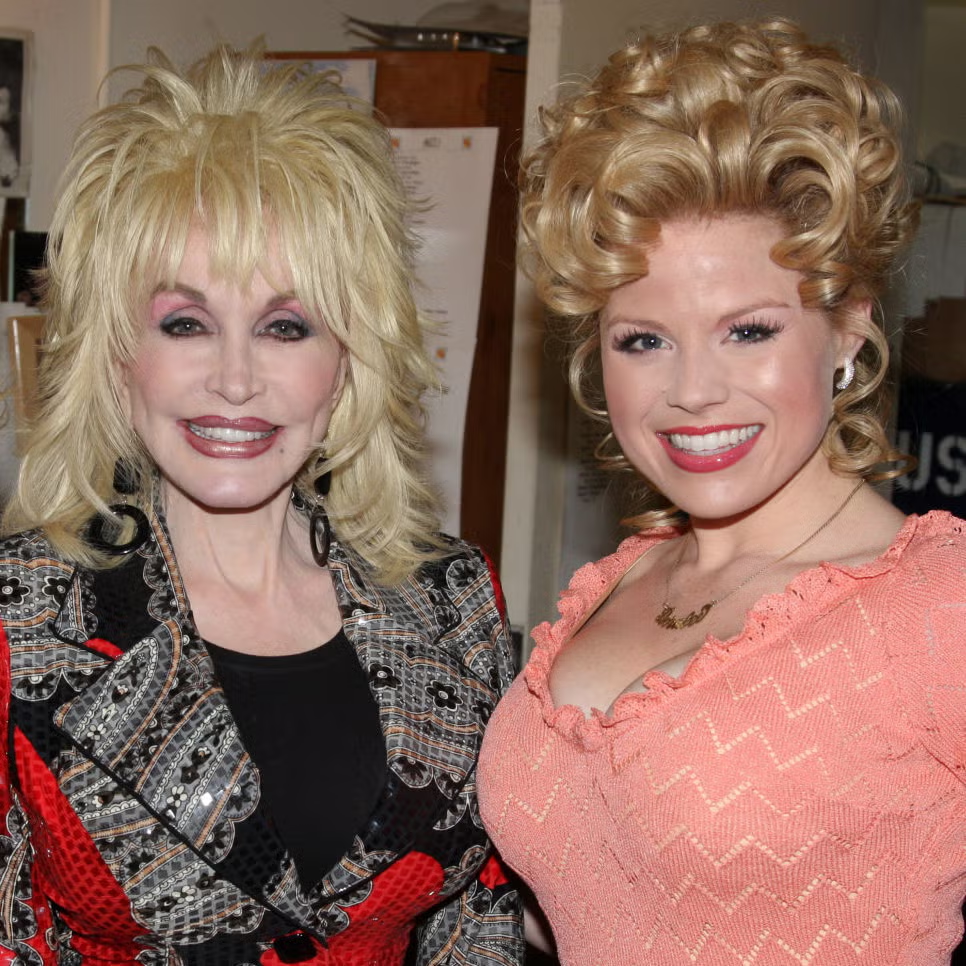
“She Did Not Want People Sad”
In the end, Stella’s explanation is powerful partly because it is so simple.
There was no elaborate reason Dolly kept the diagnosis from much of her extended family.
She did not want people frightened for her.
She did not want her fans consumed by worry.
And she did not want the final period of her life defined publicly by illness.
Even Stella’s story about experimental medicine points in the same direction: when Dolly considered what might happen if doctors could no longer save her, she was apparently still asking whether something from her experience might someday save someone else.
For millions of people mourning her, the cancer diagnosis revealed after her death added a chapter they never knew existed.
For some members of her own family, it appears to have done the same.
And perhaps that was exactly how Dolly Parton wanted it.