🚨 THE DARK WORLD OF “DEADPOOL KILLER” WADE WILSON — DEATH ROW ISOLATION, THOUSANDS OF LOVE LETTERS, AND FAMILIES WHO REFUSE TO FORGET
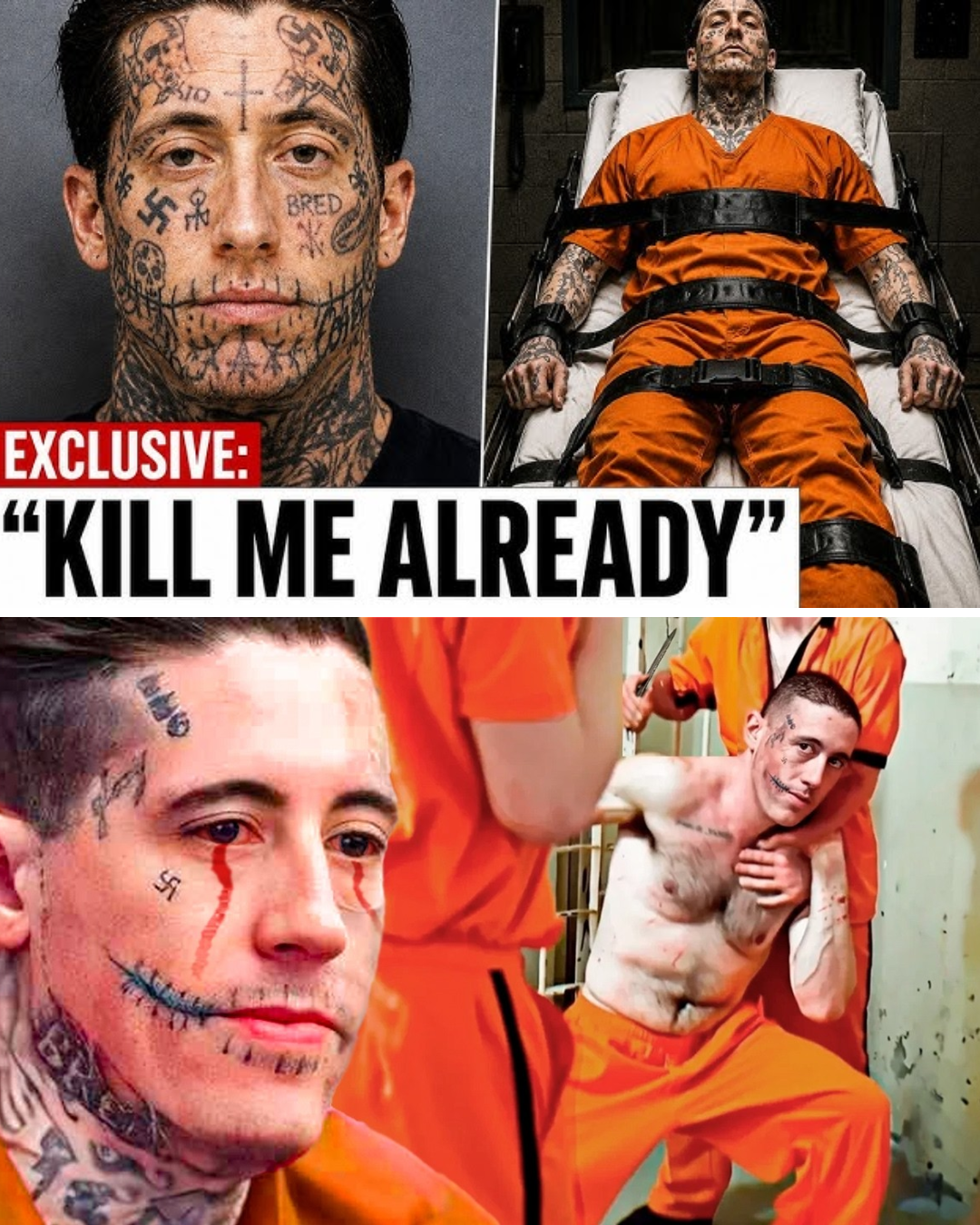
🚨 THE DARK WORLD OF “DEADPOOL KILLER” WADE WILSON — DEATH ROW ISOLATION, THOUSANDS OF LOVE LETTERS, AND FAMILIES WHO REFUSE TO FORGET
For Wade Wilson, the world has become a locked cell, concrete walls and hours of isolation.
For the families of the two women he was convicted of killing, however, the nightmare never ended.
Wilson, who became known online as the “Deadpool Killer” because he shares his name with Marvel’s fictional character, remains on Florida’s death row after being convicted of murdering Kristine Melton, 35, and Diane Ruiz, 43, in 2019.
But even years after the killings, the case continues to attract a disturbing level of public fascination.
Thousands of messages and letters have reportedly been sent to Wilson, with some women expressing sympathy, admiration or even romantic interest in a man convicted of two brutal murders.
For the victims’ families, that attention is difficult to understand.
And behind the viral videos, fan pages and true-crime obsession is a much darker story — two women whose lives were taken, families left grieving, and a legal battle that is still not over.
⚖️ TWO WOMEN, ONE NIGHTMARE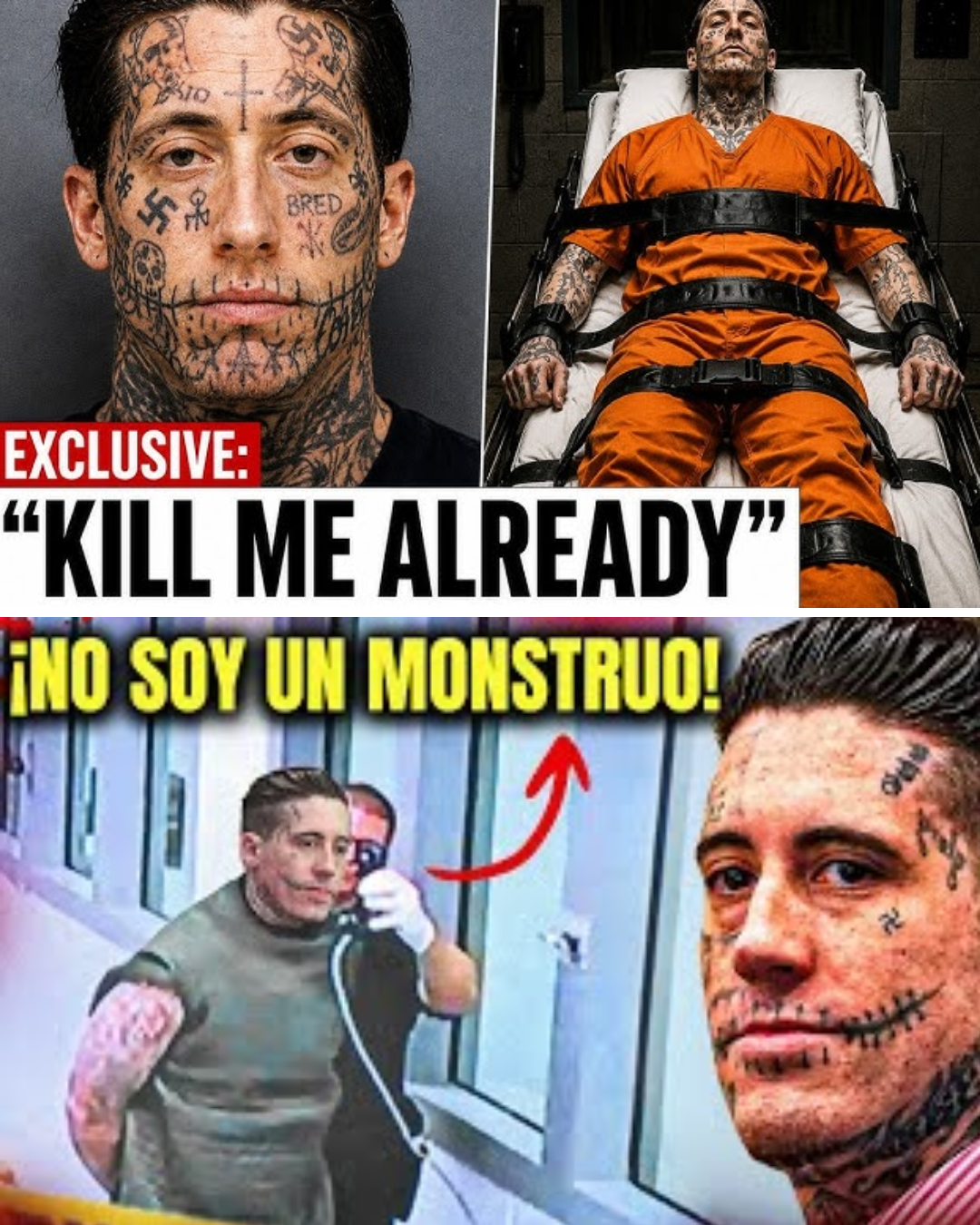
The killings happened in Cape Coral, Florida, in October 2019.
According to the case presented in court, Wilson encountered Kristine Melton before returning with her to her home. Prosecutors said he later killed her and took her vehicle.
He then encountered Diane Ruiz, a mother of two who was on her way to work.
Investigators and prosecutors said Wilson used a request for directions to get Ruiz into the vehicle before attacking her.
The details presented during the trial were horrific, and prosecutors argued that the killings were not driven simply by robbery or a personal dispute.
Instead, they portrayed Wilson as someone who wanted to kill for the sake of killing.
That allegation became one of the most disturbing elements of the entire case.
Wilson was ultimately convicted in 2024 of two counts of first-degree murder, along with other offenses. A Florida judge later imposed two death sentences.
🔒 LIFE INSIDE DEATH ROW
Today, Wilson remains incarcerated in Florida.
The image presented by the latest reports is dramatically different from the online attention surrounding his case.
Instead of cameras and courtrooms, there is a prison cell.
Instead of thousands of strangers following his story online, there are long periods of isolation.
The article reports that Wilson spends approximately 23 hours a day in lockdown, with only limited time outside his cell.
His legal future also remains uncertain.
Wilson’s attorneys have challenged aspects of the death-sentence process, including Florida’s rules concerning non-unanimous jury recommendations.
A previous challenge was rejected by the Florida Supreme Court, but his legal team has indicated that it intends to continue pursuing available appeals.
Importantly, the source article states that no execution date has been set.
That means the case is not simply a countdown to an already scheduled execution.
There are still legal steps ahead.
💌 THEN CAME THE LETTERS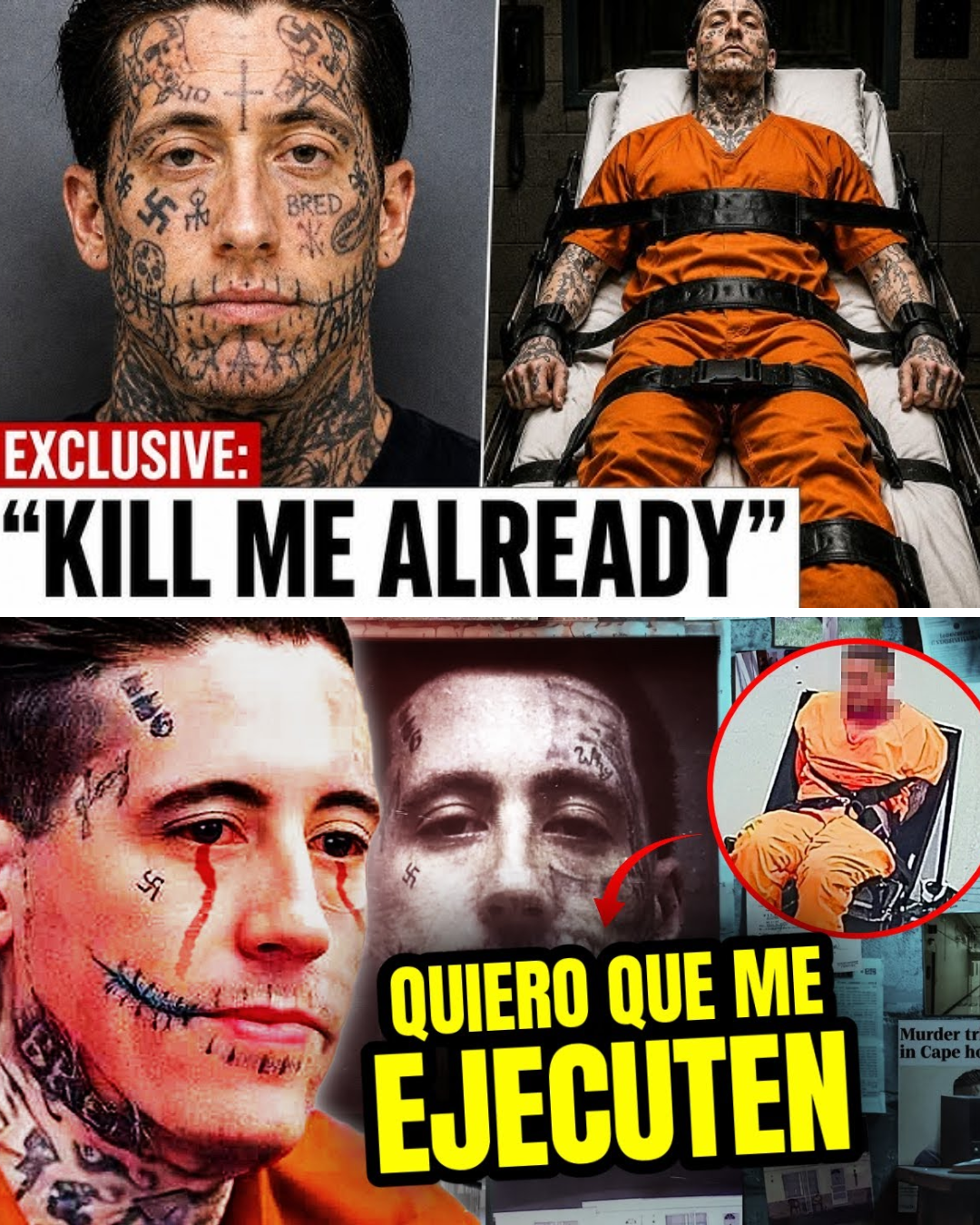
Perhaps the most unsettling part of the story is what happened outside the prison walls.
Wilson developed an unexpected following online.
Women began writing to him.
Some reportedly sent photographs.
Some expressed sympathy.
Others went much further, turning a convicted murderer into the focus of a strange online fascination.
Reports have described thousands of letters and messages connected to Wilson since his case became nationally known.
Authorities in Lee County reportedly received nearly 4,000 messages related to him beginning in 2024, according to the article.
The phenomenon has sparked a larger question that has troubled many observers:
Why do some people become emotionally attached to violent criminals they have never met?
The answer is complicated.
True-crime culture has created an enormous audience for stories involving murder, criminal psychology and notorious defendants.
But there is a line between trying to understand a crime and turning the person accused or convicted of committing it into a celebrity.
Wilson’s case has become an extreme example of that uncomfortable boundary.
💔 THE FAMILIES SEE SOMETHING VERY DIFFERENT
While strangers online debate Wilson’s appearance, personality and legal future, the families of Kristine Melton and Diane Ruiz continue to live with the consequences.
For them, this is not entertainment.
It is not a Netflix episode.
It is not a viral TikTok.
It is the permanent absence of a daughter, a loved one and, in Ruiz’s case, a mother.
The relatives of the victims have repeatedly rejected the romanticization surrounding Wilson.
Ruiz’s father has publicly expressed his determination to see justice carried out, saying that for him, the end of the story will come only when Wilson faces the consequences of his sentence.
That statement captures the enormous emotional divide surrounding the case.
For Wilson’s online admirers, he can become a mysterious or fascinating figure.
For the victims’ families, he is connected forever to an unimaginable loss.
📺 WHY THE CASE CAME ROARING BACK
The attention surrounding Wilson did not disappear after his conviction.
Instead, it was revived by documentaries, streaming content and renewed discussion across social media.
True-crime productions have revisited the case, bringing Wilson’s name back into the public conversation and introducing his story to viewers who may never have heard of him before.
That renewed attention has also reignited criticism of the way society consumes stories about violent offenders.
When a convicted killer becomes more recognizable than his victims, something has gone deeply wrong with the way the story is being told.
Kristine Melton and Diane Ruiz should not become footnotes in the biography of the man convicted of killing them.
Their lives existed before the crime.
They had families.
They had people who loved them.
They had ordinary days, plans and futures that disappeared forever.
⚠️ THE MOST DISTURBING QUESTION
The biggest question surrounding Wade Wilson may no longer be simply what happened in 2019.
It may be this:
Why does a convicted killer continue to attract so much fascination?
The internet can turn almost anyone into a character.
A courtroom photograph becomes a meme.
A criminal case becomes a fandom.
A murderer becomes the subject of romantic edits.
And victims can slowly disappear from the conversation.
That is perhaps the most troubling legacy of the “Deadpool Killer” phenomenon.
Because behind every viral post are real people.
Behind every courtroom headline are grieving families.
And behind every statistic is a human life that cannot be brought back.
⏳ THE STORY IS NOT OVER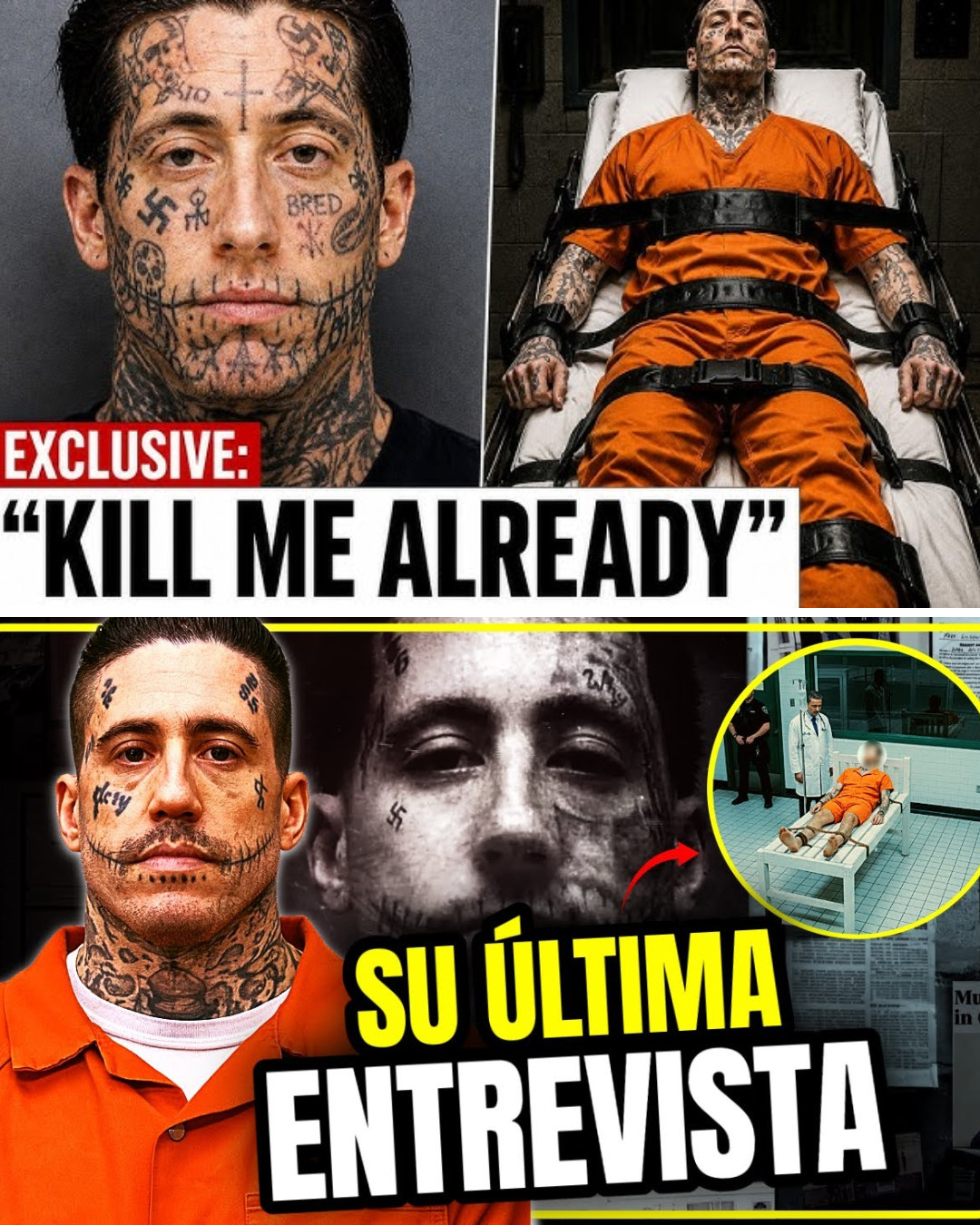
Wade Wilson remains on death row while his legal challenges continue.
His supporters continue to discuss his case online.
His critics continue to demand that the victims remain at the center of the story.
And the families of Kristine Melton and Diane Ruiz continue to wait for the final chapter.
There is no simple ending to a case like this.
There is only a long legal process, memories that never disappear and families trying to live with something that can never truly be repaired.
The internet may remember Wade Wilson as the “Deadpool Killer.”
But for the people who loved Kristine Melton and Diane Ruiz, those women were never characters in a true-crime story.
They were mothers, daughters, friends and human beings.
And while the world moves on to the next viral case, their families are still carrying the loss.
The question is no longer how famous Wade Wilson can become.
The question is whether the victims will finally receive the attention they deserved all along.