A Fingerprint Sat in a 25-Year-Old Murder Case — What Finally Made It Lead to an Arrest?
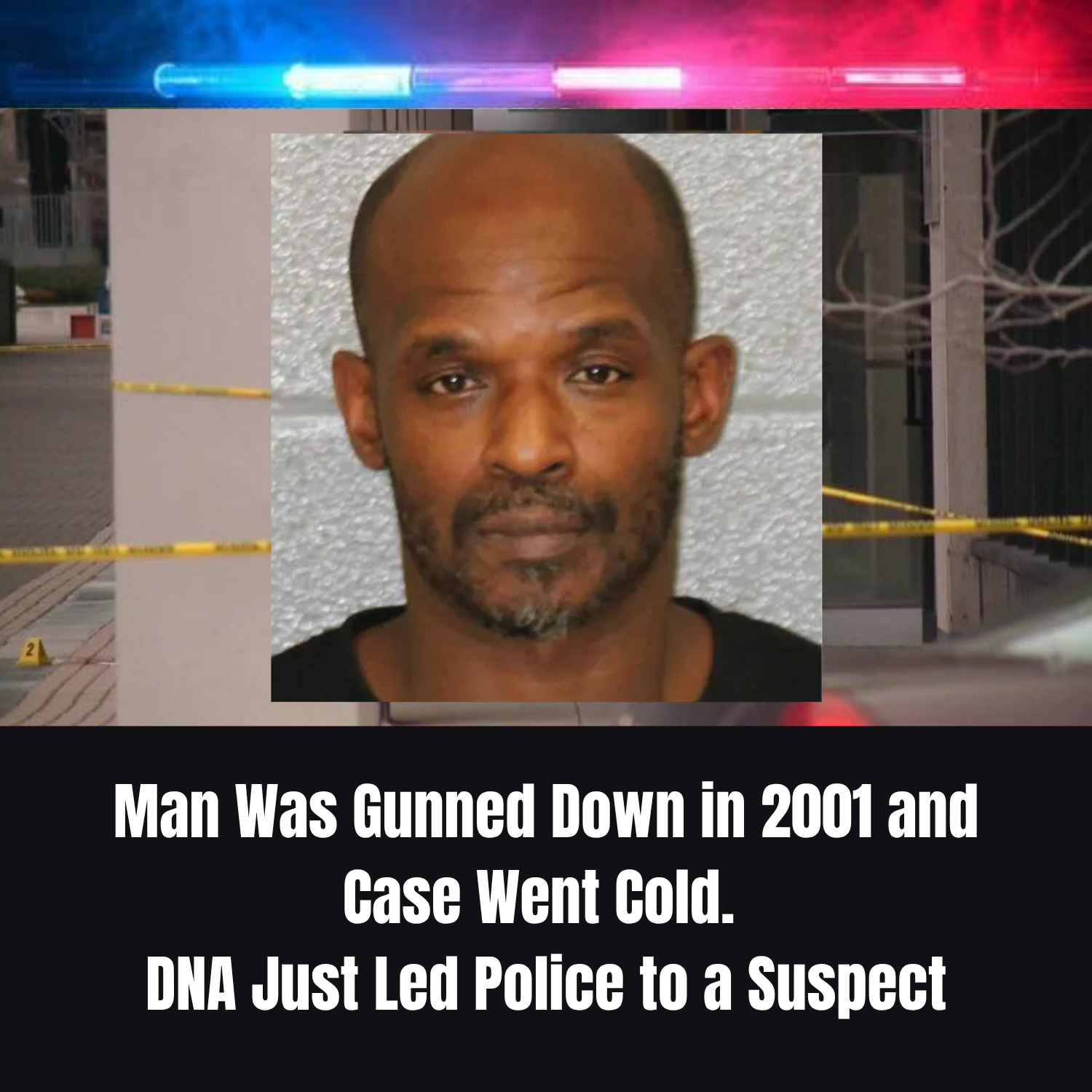
For 25 years, evidence from the murder of Cesar Gudino Gonzalez sat inside a cold-case file in Charlotte, North Carolina.
There had been witnesses.
There was a stolen getaway vehicle.
Investigators had recovered physical evidence.
And, crucially, fingerprints had been preserved from the apartment where the violence unfolded and from the van allegedly used by the attackers to escape.
One of those fingerprints was sitting on something almost painfully ordinary:
A CD case.
For decades, that small piece of plastic apparently did not lead detectives to an arrest.
Then, in early 2026, Charlotte-Mecklenburg cold-case investigators reopened Gonzalez’s file.
Within less than two weeks, a laboratory report changed everything.
Police say multiple fingerprints connected to the old crime scene and getaway van were identified as belonging to Alan Marquis Phifer.
Six months later, Phifer was arrested.
He is now charged with first-degree murder and robbery with a dangerous weapon in a killing that occurred when he would have been a teenager.
He has not been convicted, and the case against him still must be proven in court.
But the arrest leaves one fascinating question:
How did a fingerprint preserved for 25 years suddenly become powerful enough to help produce a murder charge?
The Attack Happened in the Middle of the Night
The case began at approximately 3:15 a.m. on March 24, 2001.
Police were called to the 3700 block of North Sharon-Amity Road in east Charlotte after a violent confrontation inside an apartment.
Investigators say two armed men had entered the residence and robbed the people inside.
The encounter quickly escalated.
By the time officers arrived, three people had suffered gunshot wounds and two others had been physically assaulted.
Among the victims was 21-year-old Cesar Gudino Gonzalez.
According to the account later included in court records, Gonzalez attempted to fight one of the attackers.
During the struggle, the gunman managed to break free.
Gonzalez was shot in the leg.
Then he was shot in the head.
He died at the scene.
Two other shooting victims survived and were taken to a hospital with injuries that police described as non-life-threatening.
The Suspects Had a Getaway Van
The attackers fled before police arrived.
A witness in a nearby apartment reportedly saw two men leaving the area in a van.
That vehicle immediately became one of the most important pieces of the investigation.
Detectives later discovered that the van had been stolen the day before the robbery.
Roughly 11 hours after Gonzalez was killed, investigators located the vehicle abandoned on a nearby street.
For detectives, the van represented a potential forensic bridge between the crime scene and whoever committed the robbery.
Someone had driven it.
Someone had been inside it.
And whoever used it might have left something behind.
Investigators processed the vehicle for evidence.
Among the objects inside was a CD case.
A fingerprint was recovered from it.
At the time, however, that evidence did not produce the answer detectives needed.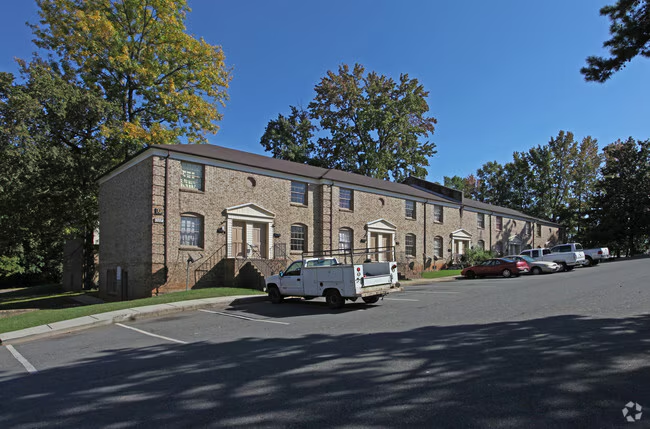
The Case Slowly Went Cold
Homicide investigators continued working the case for years.
But no one was charged with Gonzalez’s murder.
Eventually, the investigation joined the long list of cold cases in which evidence exists but detectives do not have enough information to identify or prosecute a suspect.
That distinction is important.
Cold cases are not necessarily cases with no evidence.
Sometimes investigators have fingerprints, DNA, witness statements, vehicles or other physical clues.
The problem is that those clues do not yet connect strongly enough to a person.
Technology changes.
Databases expand.
People are arrested for unrelated crimes and their biometric information enters new systems.
Forensic methods improve.
And evidence that once produced no useful match can become much more valuable years later.
Gonzalez’s case appears to be a striking example of that process.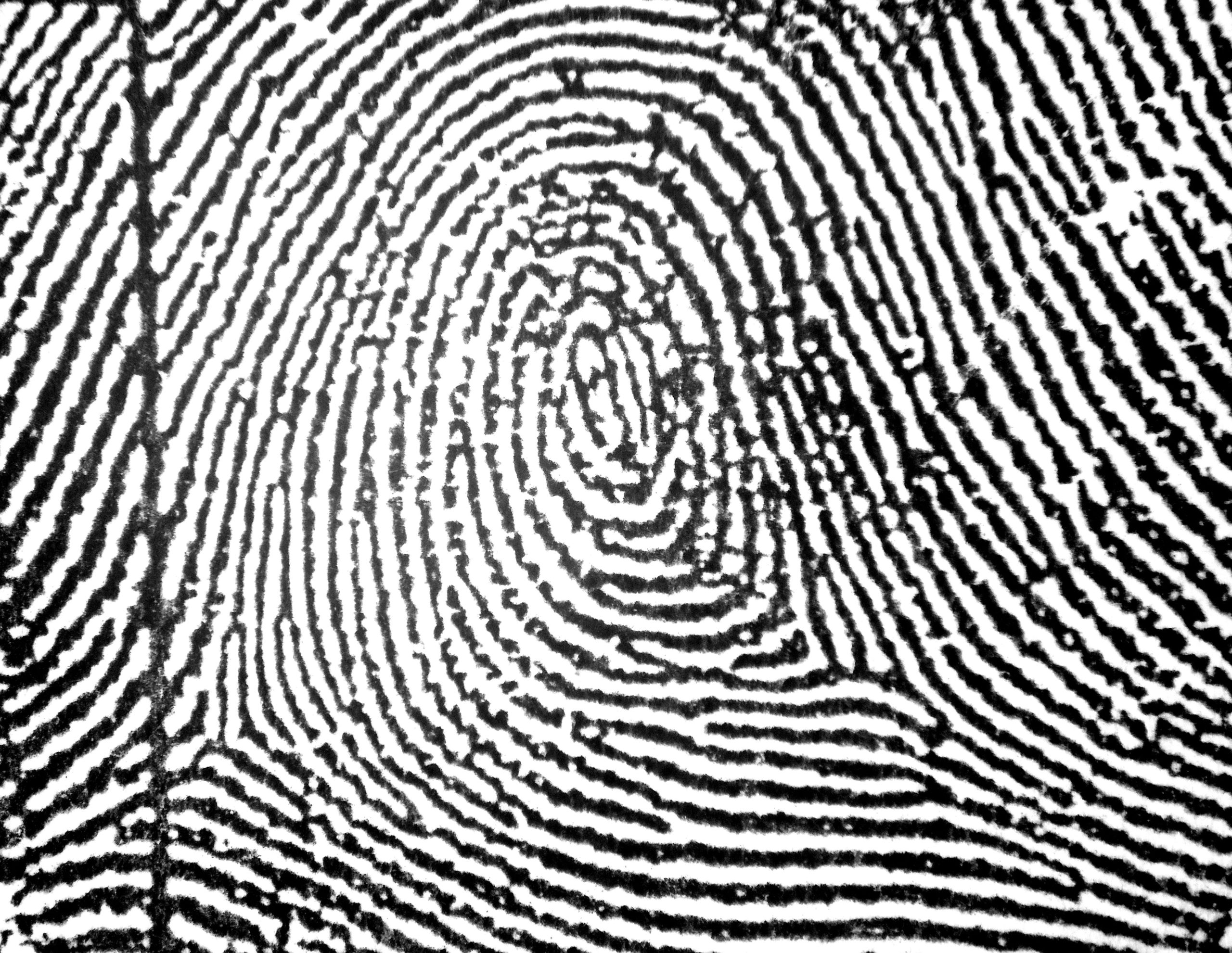
Detectives Reopened the File in January
On Jan. 29, 2026, Charlotte-Mecklenburg Police Department cold-case detectives formally picked up the Gonzalez investigation again.
They went back through evidence from a crime committed nearly a quarter-century earlier.
Then came the breakthrough.
On Feb. 9 — only 11 days after the Cold Case Unit took over the investigation — detectives received a laboratory report that they say implicated Phifer.
According to investigative records, four fingerprints connected to the original crime scene and the stolen van were identified as belonging to him.
One was reportedly located near the entrance to the apartment.
Another was the print recovered from the CD case inside the stolen getaway van.
That combination potentially mattered far more than a single fingerprint discovered in an isolated location.
Investigators were no longer dealing with only an old print on a random object.
They allegedly had fingerprints connecting the same person to physical evidence surrounding both the place where the robbery occurred and the vehicle used to escape.
Why Did the Fingerprints Matter Now?
This is the part of the story that makes the case especially intriguing.
Authorities have not publicly provided a detailed technical explanation of exactly why those prints could be attributed to Phifer in 2026 when the case had remained unsolved for so many years.
That leaves several important possibilities.
Cold-case investigators routinely resubmit old evidence for modern forensic comparison.
Fingerprint databases have grown enormously since 2001.
Identification systems have also become better at searching and comparing latent prints recovered from crime scenes.
Sometimes the evidence itself has not changed at all.
What changes is the universe of known fingerprints it can be compared against — and the technology used to perform those comparisons.
In Gonzalez’s case, what authorities have publicly emphasized is the February laboratory report.
After receiving it, detectives did not immediately make an arrest.
Instead, they continued investigating.
They conducted additional interviews.
They ordered more laboratory testing.
And they spent months building the case before asking for arrest warrants.
It Took Another Six Months to Make the Arrest
The fingerprint identification may have created the breakthrough, but it was not the end of the investigation.
From February through August, detectives continued gathering evidence.
That gap is significant because a fingerprint does not automatically prove every part of a criminal allegation.
Investigators still had to determine whether there was an innocent explanation for the prints.
They had to compare the forensic evidence with witness accounts and the original crime-scene reconstruction.
And prosecutors ultimately needed enough evidence to justify serious charges stemming from a 25-year-old homicide.
On Aug. 26, cold-case detectives obtained arrest warrants for Phifer.
Five days later, on Aug. 31, a violent-crime apprehension team located and arrested him.
Phifer, now 43, was charged with first-degree murder and robbery with a dangerous weapon.
He was being held without bond following the arrest.
The investigation remains active.
One Fingerprint Is Only Part of the Story
The CD-case fingerprint makes an irresistible headline.
But the actual case appears to be broader.
Police are not relying publicly on only one print.
Investigators say four fingerprints were linked to Phifer, including evidence connected to both the apartment and the recovered van.
The CD case matters because its location may help investigators connect whoever touched it to a vehicle witnesses say was used to flee the homicide scene.
But Phifer is entitled to challenge that interpretation.
His defense could raise questions about when the object was touched, how it entered the vehicle, how the prints were preserved and whether fingerprint evidence alone proves involvement in the robbery or killing.
Those are questions for the criminal court process.
An arrest is not a conviction.
The Evidence Never Really Disappeared
For Gonzalez’s family, the arrest came after a wait measured not in months but in decades.
Police notified his next of kin after Phifer was taken into custody.
Gonzalez was only 21 when he was killed.
Twenty-five years later, detectives finally believe they have identified one of the people responsible for what happened inside that Charlotte apartment.
And the breakthrough appears to have come from evidence that was there almost from the beginning.
A stolen van.
An abandoned CD case.
A fingerprint preserved through a quarter-century of technological change.
The case is a reminder of what makes cold cases so unusual.
Sometimes the missing clue is not something investigators still need to find.
Sometimes it has been sitting in the evidence room for 25 years, waiting for investigators to finally learn whose fingerprint they are looking at.