NOAH DONOHOE’S MUM FOUGHT FOR SIX YEARS FOR ANSWERS — NOW HIS INQUEST HAS REVEALED A TRAIL OF FAILINGS
NOAH DONOHOE’S MUM FOUGHT FOR SIX YEARS FOR ANSWERS — NOW HIS INQUEST HAS REVEALED A TRAIL OF FAILINGS
Six years after 14-year-old Noah Donohoe disappeared in Belfast, his mother Fiona has finally heard the findings of the long-running inquest into her son’s death.
For Fiona Donohoe, the search for answers began on the day her 14-year-old son disappeared.
It became a six-year fight involving a huge public campaign, thousands of supporters and an inquest that heard evidence from dozens of witnesses.
Now, after more than 30 hours of jury deliberations, the inquest has reached its conclusion.
But the findings have not answered every question surrounding Noah’s final hours.
 NOAH DISAPPEARED ON A SUMMER EVENING
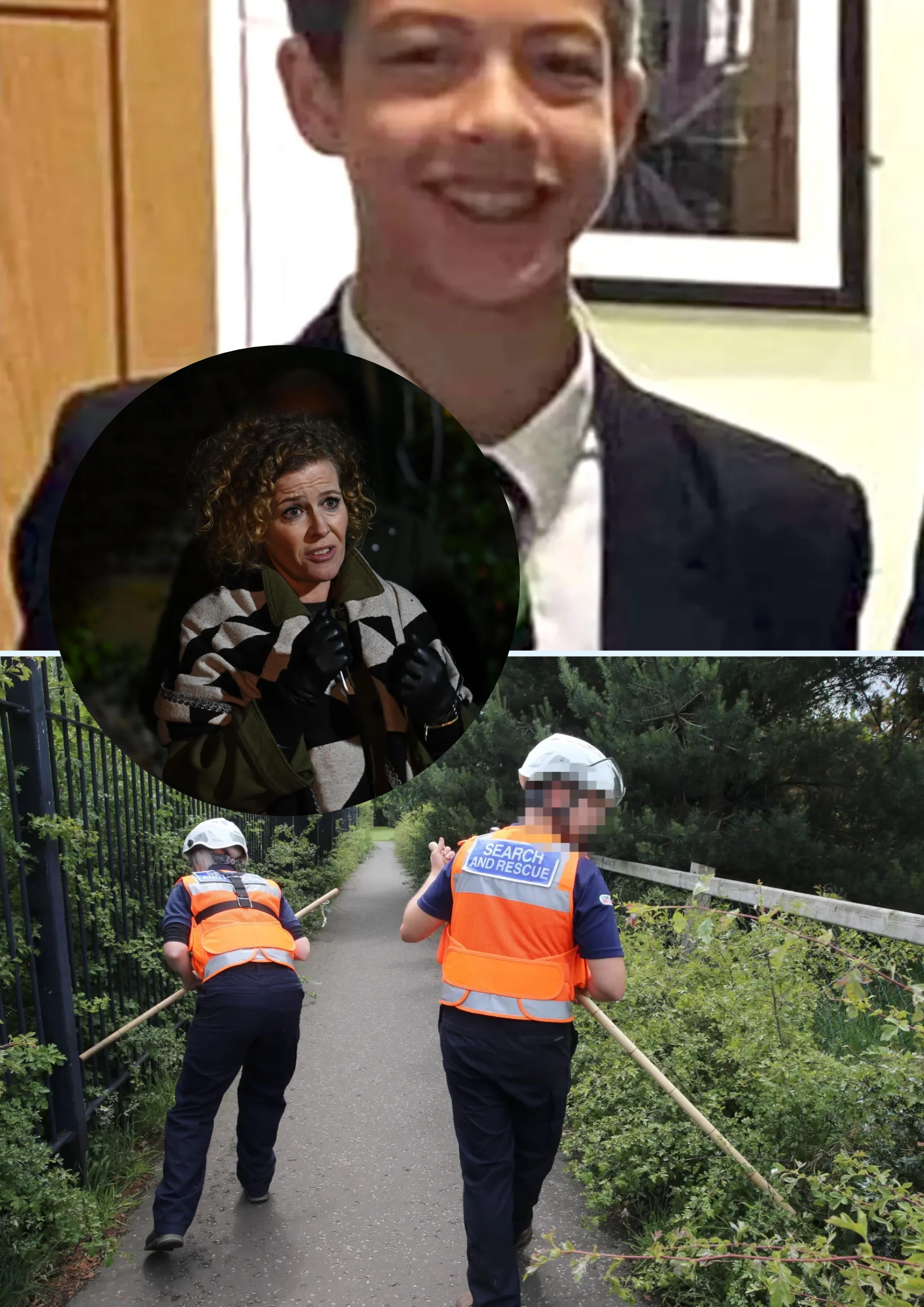
Noah disappeared in Belfast on June 21, 2020, after leaving his home on his bicycle to meet friends.
A huge search operation followed.
Six days later, his body was discovered more than 600 metres downstream inside an underground water tunnel in north Belfast.
A post-mortem examination concluded that Noah had died from drowning.
The circumstances leading to his presence inside the tunnel, however, remained the subject of intense public concern.
HIS MOTHER NEVER STOPPED LOOKING FOR ANSWERS
From the beginning, Fiona became one of the most visible voices calling for a thorough investigation into what happened to her son.
She helped build the campaign known as Noah’s Army, which attracted enormous public support.
A petition calling for greater transparency was signed by almost 300,000 people, while rallies connected with the campaign drew thousands of supporters.
For Fiona, the fight was never simply about finding out where Noah had died.
She wanted to understand what happened to her son and whether anything could have been done differently.
 FIVE MONTHS OF EVIDENCE
The inquest began in January 2026 and examined an enormous amount of evidence.
Jurors heard from 76 witnesses, while statements from another 42 people were also considered.
The evidence included CCTV footage, photographs, maps, police logs and expert reports.
Among the issues examined was the police search for Noah and whether investigative errors affected the ability to establish what had happened.
The jury ultimately had 10 questions to answer.
After an earlier period of deliberation was interrupted in July, nine remaining jurors returned to consider the evidence again in September.
They eventually reached unanimous findings after five days of deliberation.
13 POLICE INVESTIGATIVE FAILINGS IDENTIFIED
One of the most significant findings concerned the PSNI investigation.
The jury identified 13 failings in the police investigation.
These included failures involving CCTV evidence, the execution and recording of house-to-house searches, delays in identifying the significance of the storm drain and shortcomings in documentation.
However, the jury did not find that police errors contributed to Noah’s death based on the time of death they determined.
That distinction is important.
The jury criticised aspects of the investigation, but it did not conclude that those failings caused Noah’s death.
QUESTIONS ABOUT THE STORM DRAIN
The jury also examined the condition and accessibility of the underground water tunnel.
They found that the Department for Infrastructure had failed to identify that members of the public could access the underground system and that there were no adequate warnings around the culvert.
The jury concluded that the department had “erred” by installing a debris screen rather than a storm screen.
They said it was possible, but not probable, that those failings contributed to Noah’s death.
BUT ONE CENTRAL QUESTION REMAINS
Perhaps the most difficult part of the findings is what the jury could not establish.
The foreman said the evidence was insufficient to explain why Noah behaved as he did in the final hours before his death.
CCTV showed him cycling through Belfast, falling from his bicycle, abandoning belongings and later cycling without clothes before heading towards the area containing the storm drain.
The inquest heard psychiatric evidence, but experts did not conclude that Noah had suicidal tendencies, and there was no evidence that he had taken drugs.
The jury therefore did not provide a definitive explanation for why Noah entered the tunnel.
“NOAH WAS MY GREATEST GIFT IN LIFE”
Outside Belfast Coroner’s Court after the verdict, Fiona spoke through her solicitor.
She said she had entered the inquest seeking answers and left with what she described as one clear conclusion: “Noah was failed.”
She criticised both the Department for Infrastructure and the PSNI, saying her son should have been protected from the dangers surrounding the storm drain and accusing authorities of failing to properly investigate his disappearance and death.
Her statement also reflected the extraordinary length of her campaign.
For six years, she has continued to speak publicly about Noah, supported by family, friends and the thousands of people who joined Noah’s Army.
A BOY REMEMBERED FOR WHO HE WAS
Beyond the investigation and the unanswered questions, the inquest also heard about Noah himself.
Teachers and friends described him as intelligent, funny, curious and musically talented.
He was a student at St Malachy’s College and had ambitions for his future, including studying medicine.
For Fiona, however, he was first and foremost her son.
A boy who should still be here.
A teenager who should have been growing up, making plans and building the future he had imagined.
Instead, his mother has spent six years trying to understand the circumstances surrounding his death.
The inquest has now delivered its findings.
But for Fiona Donohoe, the search for answers — and the memory of Noah — continues.