NOAH DONOHOE’S MUM FOUGHT FOR SIX YEARS FOR ANSWERS — NOW HIS INQUEST HAS REVEALED A TRAIL OF FAILINGS
NOAH DONOHOE’S MUM FOUGHT FOR SIX YEARS FOR ANSWERS — NOW HIS INQUEST HAS REVEALED A TRAIL OF FAILINGS
For six years, Fiona Donohoe refused to stop asking what happened to her 14-year-old son. Now, a long-running inquest has identified serious failings — but still cannot fully explain the circumstances surrounding Noah’s death.
For Fiona Donohoe, the search for answers began the moment her teenage son disappeared.
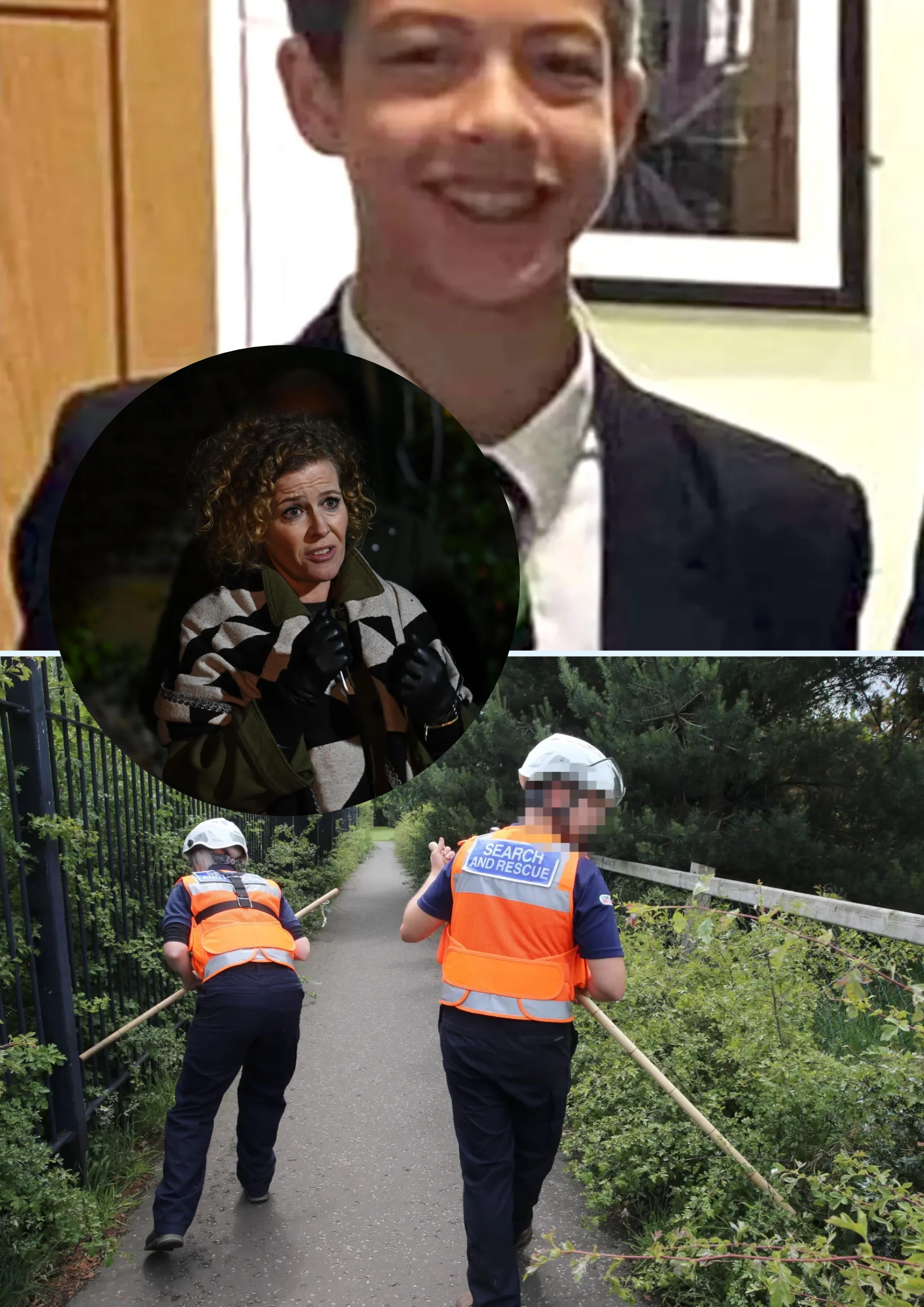
Noah, 14, vanished in Belfast on June 21, 2020, after leaving home on his bicycle to meet friends. Six days later, his body was discovered more than 600 metres inside an underground water tunnel in north Belfast.
A post-mortem examination concluded that Noah died by drowning.
But the circumstances surrounding how he entered the tunnel — and why he died there — remained a mystery for years.
Fiona refused to let the unanswered questions disappear.
 SIX YEARS OF GRIEF — AND A CAMPAIGN FOR ANSWERS
Since Noah’s death, Fiona has led a highly public campaign seeking answers about what happened to her son.
She helped establish Noah’s Army, organized public campaigns and supported a petition that attracted almost 300,000 signatures.
The long-running inquest finally began in January 2026 and heard evidence from 76 witnesses, along with statements from another 42 people, as well as CCTV, photographs, maps, police records and expert evidence.
Throughout the proceedings, Fiona attended every day of the inquest.
Evidence presented during the hearings painted a picture of Noah as an exceptionally bright, curious and kind teenager who loved learning and dreamed of a future in medicine.
 THE JURY IDENTIFIED 13 POLICE FAILINGS
After more than 30 hours of deliberations over five days, the jury reached unanimous findings on the questions before them.
The jury identified 13 failings in the PSNI investigation.
Among the issues highlighted were failures to secure relevant CCTV footage, shortcomings in house-to-house inquiries, problems surrounding searches and evidence handling, and delays in identifying that Noah may have entered the underground tunnel.
The jury concluded that these investigative failures affected its ability to reach conclusions about important aspects of the case.
However, the jury did not find that police errors contributed to Noah’s death based on the time of death established by the inquest.
That distinction is important: the findings criticized the investigation, but did not conclude that those police failings caused Noah’s death.
QUESTIONS OVER THE STORM DRAIN
The jury also examined the role of Northern Ireland’s Department for Infrastructure.
It found that the department had erred in its management of access to the underground water tunnel, including failing to identify that members of the public could access the culvert and having no adequate warnings in place.
The jury said it was possible, although not probable, that those failings contributed to Noah’s death.
The jury recorded that Noah died by drowning sometime between 7pm and midnight on June 21, 2020 — the evening he disappeared.
BUT ONE CENTRAL QUESTION REMAINS
Despite months of evidence, the inquest could not establish why Noah behaved as he did before entering the tunnel.
CCTV showed him falling from his bicycle, abandoning belongings and later cycling without clothes.
The jury said the evidence was insufficient to explain his behaviour.
The inquest therefore provided important findings about the circumstances surrounding Noah’s death and the failures uncovered during the investigation, but it did not provide a complete explanation for how or why he ended up inside the tunnel.
FIONA: “NOAH WAS FAILED”
Outside Belfast Coroner’s Court, Fiona paid tribute to her son and described him as “the greatest gift of my life.”
She said she had entered the inquest seeking answers and left with what she described as one clear conclusion: that Noah had been failed.
Her statement criticized both the Department for Infrastructure and the PSNI, arguing that failures by authorities had compounded the family’s suffering.
The PSNI, meanwhile, acknowledged the tragedy and said officers had been determined to locate Noah. Assistant Chief Constable Davy Beck said the force accepted the jury’s findings and would reflect on lessons for future investigations.
SIX YEARS LATER, NOAH IS STILL AT THE HEART OF THE FIGHT
For Fiona, the inquest was never simply about a court finding.
It was about her son.
A 14-year-old remembered by his family, teachers and friends as intelligent, curious and full of potential.
The jury’s findings have now documented failures surrounding the investigation and the management of the storm drain.
But the full circumstances of Noah’s final moments remain unresolved.
And after six years of grief, Fiona’s fight for her son’s story — and for answers about what happened to him — continues.