Police Believed a 15-Year-Old Was Somewhere Beneath a Landfill. They Kept Digging Until DNA Gave Them an Answer.
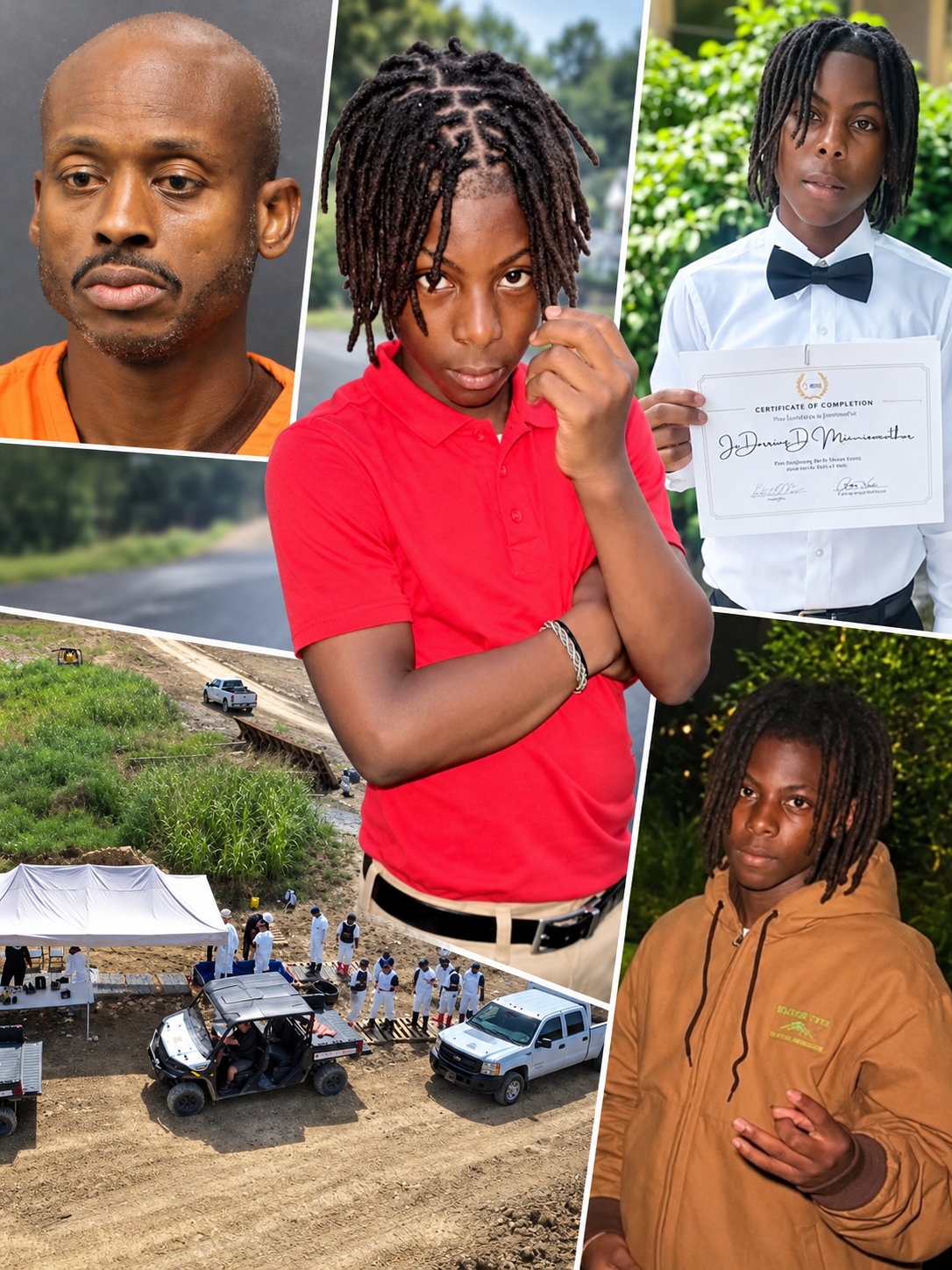
For weeks, investigators in Baton Rouge believed the answer to a missing teenager’s disappearance was buried beneath thousands of tons of garbage.
They already had a suspect.
They already believed 15-year-old Ja’Derrius Minnieweather had been killed.
They even had information pointing them toward the waste system that carried his remains to a sprawling landfill north of the city.
What they did not have was Ja’Derrius.
So they started digging.
Teams from local law enforcement, the FBI and other agencies spent weeks working through the East Baton Rouge Parish North Landfill under punishing Louisiana summer conditions.
Thousands of tons of material were examined.
Searchers repeatedly stopped because of the heat and hazardous environment.
Then, on August 18, they found human remains.
One day later, DNA provided the confirmation Ja’Derrius’ family had been waiting for.
The remains belonged to him.
But while the search for Ja’Derrius had finally reached an answer, the criminal case surrounding his death was far from over.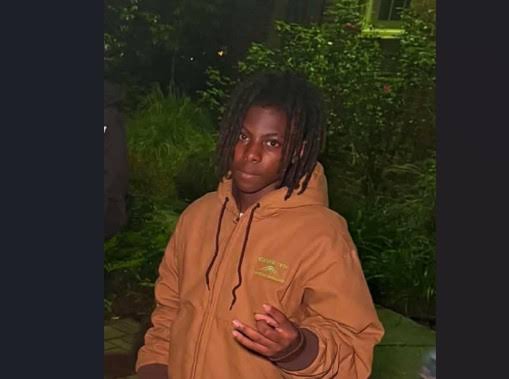
He Disappeared on June 5
Ja’Derrius was reported missing from Baton Rouge on June 5, 2026.
He was 15 years old.
According to investigators, the teenager had gone to see a longtime 16-year-old female friend before he disappeared.
As detectives investigated his movements, they began focusing on 51-year-old Maurice Parms.
Police allege there had been tension between Ja’Derrius and Parms over the way Parms was behaving toward the girl.
Investigators eventually developed a far more serious theory.
They alleged that a confrontation occurred and that Parms beat Ja’Derrius to death.
Parms has not been convicted of that allegation.
But by June 20, police said they had gathered enough evidence to arrest him on a first-degree murder charge — even though Ja’Derrius’ body had still not been recovered.
That created an unusual and painful situation.
Police were publicly treating a missing-child case as a homicide.
A man had been arrested for murder.
But the teenager everyone was searching for was still missing.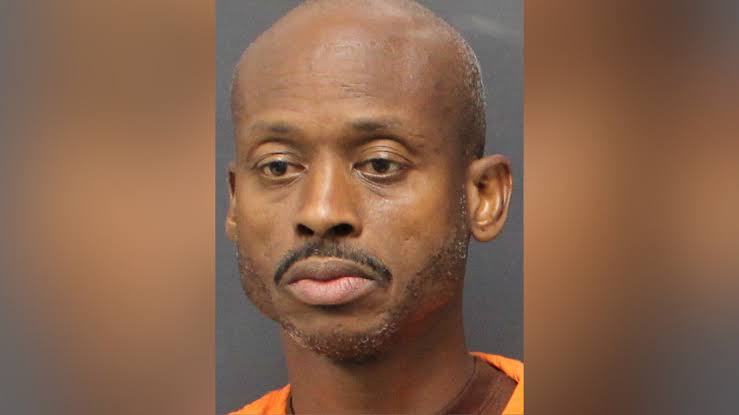
Investigators Believe His Body Entered the Trash System
The next question was where Ja’Derrius had gone after his death.
According to investigators, evidence suggested his body had been placed in a trash container and eventually collected as garbage.
That possibility sent detectives into the complex world of municipal waste routes.
Garbage does not simply disappear after a truck collects it.
Routes, collection times and unloading locations can sometimes be reconstructed.
Investigators worked to determine where waste from the relevant area had been transported after Ja’Derrius disappeared.
Eventually, the trail pointed toward the East Baton Rouge Parish North Landfill near Zachary.
Authorities were also able to use video associated with a garbage truck to further narrow the likely location where the material had been unloaded.
The problem was scale.
The landfill covers hundreds of acres.
By the time police knew where to look, new layers of garbage had accumulated over the material they were interested in.
Finding a teenager inside that environment would require an extraordinary search.
A Massive Landfill Becomes a Smaller Target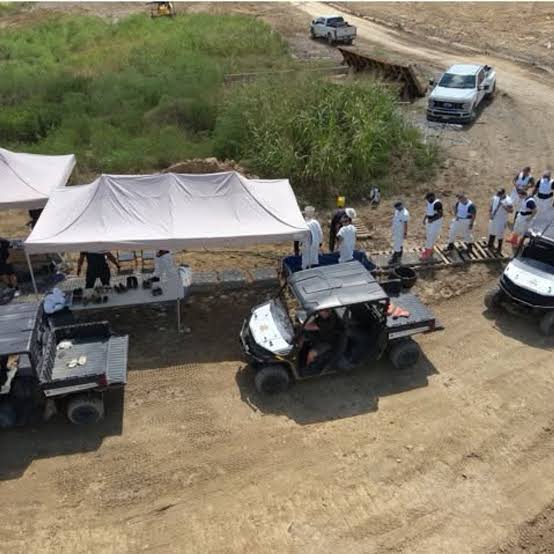
Investigators did not simply begin digging randomly across the entire landfill.
They reconstructed the waste route and used available evidence to reduce the search area dramatically.
Authorities eventually concentrated on a relatively small section compared with the size of the landfill.
Even that was enormous when measured in compacted waste.
Crews expected to examine thousands of cubic yards of material.
The search formally began in July.
The FBI joined Baton Rouge police, while specialists helped organize the operation and assess anything that might be human remains or evidence.
Search crews worked in rotating teams.
Excavators removed layers of material.
Workers then carefully sifted through what machinery brought up.
Every potentially important item had to be evaluated.
It was slow by design.
Investigators were not simply looking for remains.
They were also searching for anything that could become evidence in a future murder trial.
The Heat Became Part of the Search
Louisiana in July and August presented another obstacle.
The landfill was not only unpleasant.
It was dangerous.
Decomposing waste produced fumes, and searchers faced sharp objects, unstable material and severe heat.
Crews could sometimes work directly in the search area for only short periods before being required to leave and recover.
Medical personnel and decontamination teams remained nearby.
Some workers experienced heat-related problems during the operation.
Still, the search continued.
By early August, teams had processed thousands of tons of landfill material.
They also encountered large numbers of bones that had to be examined to determine whether any were human.
Again and again, they were not.
Five weeks passed.
Ja’Derrius was still somewhere investigators believed they could reach — but they had not found him.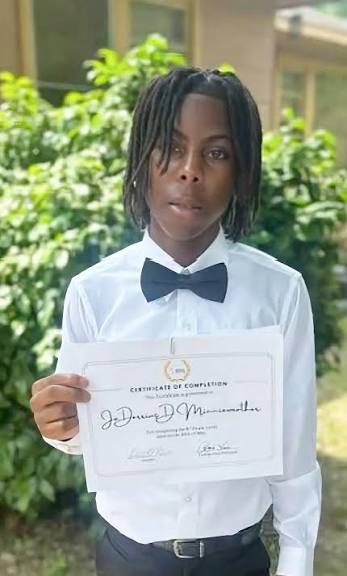
Police Kept Searching
As the operation stretched on, officials were repeatedly asked how long they were willing to continue.
There was no simple answer.
For Ja’Derrius’ family, recovering him was about far more than evidence.
They wanted to bring him home.
For prosecutors, finding his remains could also potentially provide information about his death that no witness or electronic record could supply.
The search therefore had two purposes.
One was deeply personal.
The other was forensic.
Investigators kept moving through the landfill one section at a time.
Day after day, teams returned to the same punishing environment.
They knew there was no guarantee they would find what they were looking for.
But they continued.
August 18: Human Remains Are Found
After roughly six weeks of work, the search changed on August 18.
Crews recovered human remains.
Clothing found with them was consistent with what Ja’Derrius had reportedly been wearing when he disappeared.
Police believed strongly that they had finally found the teenager.
But investigators did not rely on clothing alone.
The remains were sent for scientific identification.
DNA testing was used to determine whether they belonged to Ja’Derrius.
On August 19, officials announced the answer.
The DNA matched.
The remains belonged to Ja’Derrius Minnieweather.
After more than two months, the missing teenager had finally been found.
Finding Ja’Derrius Did Not End the Murder Case
Maurice Parms remains accused of killing Ja’Derrius.
Investigators allege the confrontation was connected to Parms’ behavior toward the 16-year-old girl Ja’Derrius had gone to see.
But the most important legal fact remains unchanged:
Parms has not been convicted of murdering Ja’Derrius.
The prosecution must prove its case in court, and Parms is entitled to challenge the evidence against him.
Recovering Ja’Derrius’ remains may now give investigators additional forensic evidence as the case proceeds.
The exact sequence of events leading to the teenager’s death will ultimately have to be established through evidence presented in the criminal case.
That means the landfill search answered one enormous question.
It did not answer all of them.
They Knew Where to Look. They Just Had to Keep Digging.
The scale of the search is what makes Ja’Derrius’ case so difficult to forget.
Investigators believed a 15-year-old boy had entered the garbage system.
They narrowed a massive landfill to one area.
Then dozens of people spent weeks digging through thousands of tons of material under brutal summer conditions.
For days, nothing.
Then weeks.
Still they continued.
A murder charge had already been filed, but investigators and Ja’Derrius’ family were missing something fundamental.
They wanted him back.
On August 18, searchers finally reached human remains.
On August 19, DNA removed the final uncertainty.
Ja’Derrius Minnieweather had been found.
The landfill search was ending.
The search for accountability was not.