NAVIGATING THE 2028 TENSION: JD VANCE, CATHOLICISM, AND THE MAGA BASE
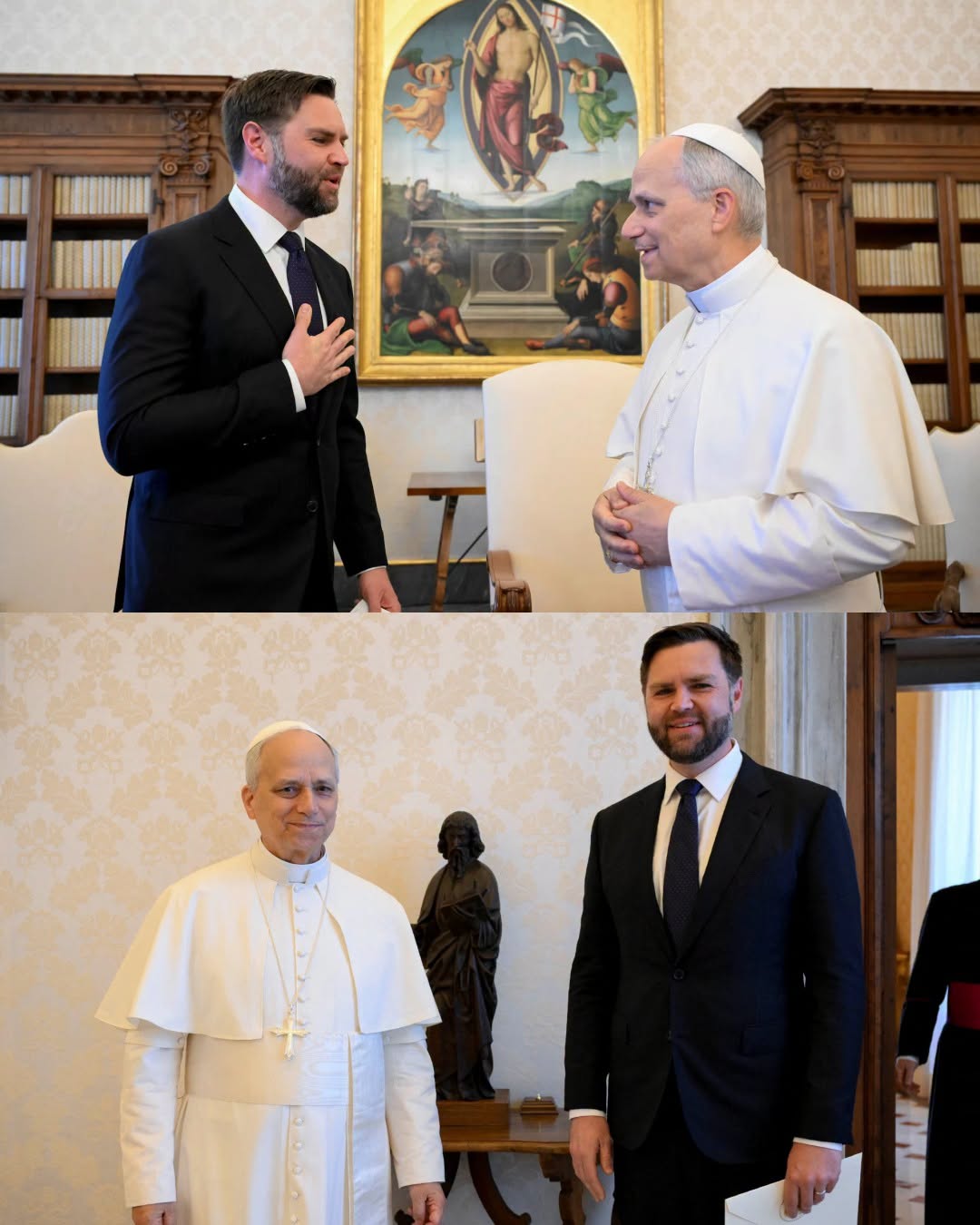
NAVIGATING THE 2028 TENSION: JD VANCE, CATHOLICISM, AND THE MAGA BASE
As the political landscape moves toward 2028, Vice President JD Vance finds himself navigating a delicate religious and political divide. Having converted to Catholicism in 2019, Vance embodies an intellectual, traditionalist Catholic faith. However, the core driver of the modern Republican base remains overwhelmingly Protestant and Evangelical—a demographic accustomed to a very different theological and political style.
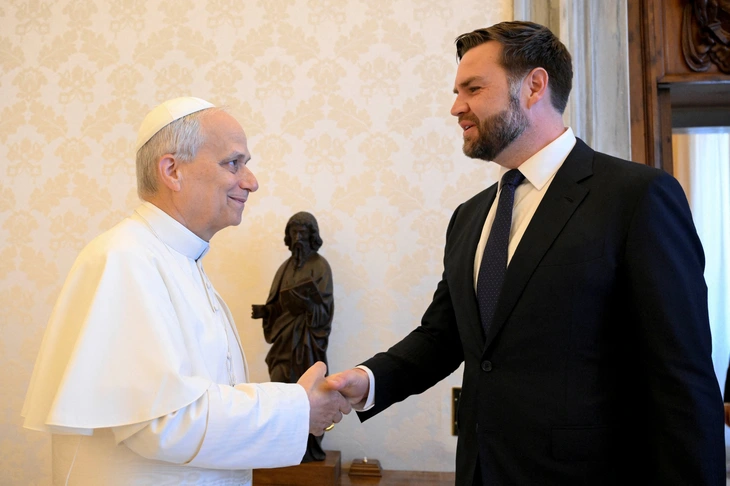
The tension stems from fundamentally distinct worldviews. White Evangelical voters historically favor a personal, highly expressive form of faith intertwined with specific End Times theology and unwavering support for certain social agendas. In contrast, Vance’s Catholic worldview emphasizes institutional tradition, communal responsibility, and social doctrine that can occasionally clash with standard partisan lines.
To bridge this gap, Vance frequently references his upbringing in working-class Ohio, where Evangelical Protestantism shaped his early life. By speaking fluent “Evangelical” while practicing Roman Catholicism, he attempts to unify populist working-class voters with traditional religious conservatives.
Whether Vance can maintain this balance will be a critical test for 2028. He must prove to the Evangelical base that his Catholic intellectualism honors their values, while convincing broader Catholic voters that his political commitments remain true to his faith.