Lillian Had Just Turned 8. One Day Later, Her Family Had to Say Goodbye
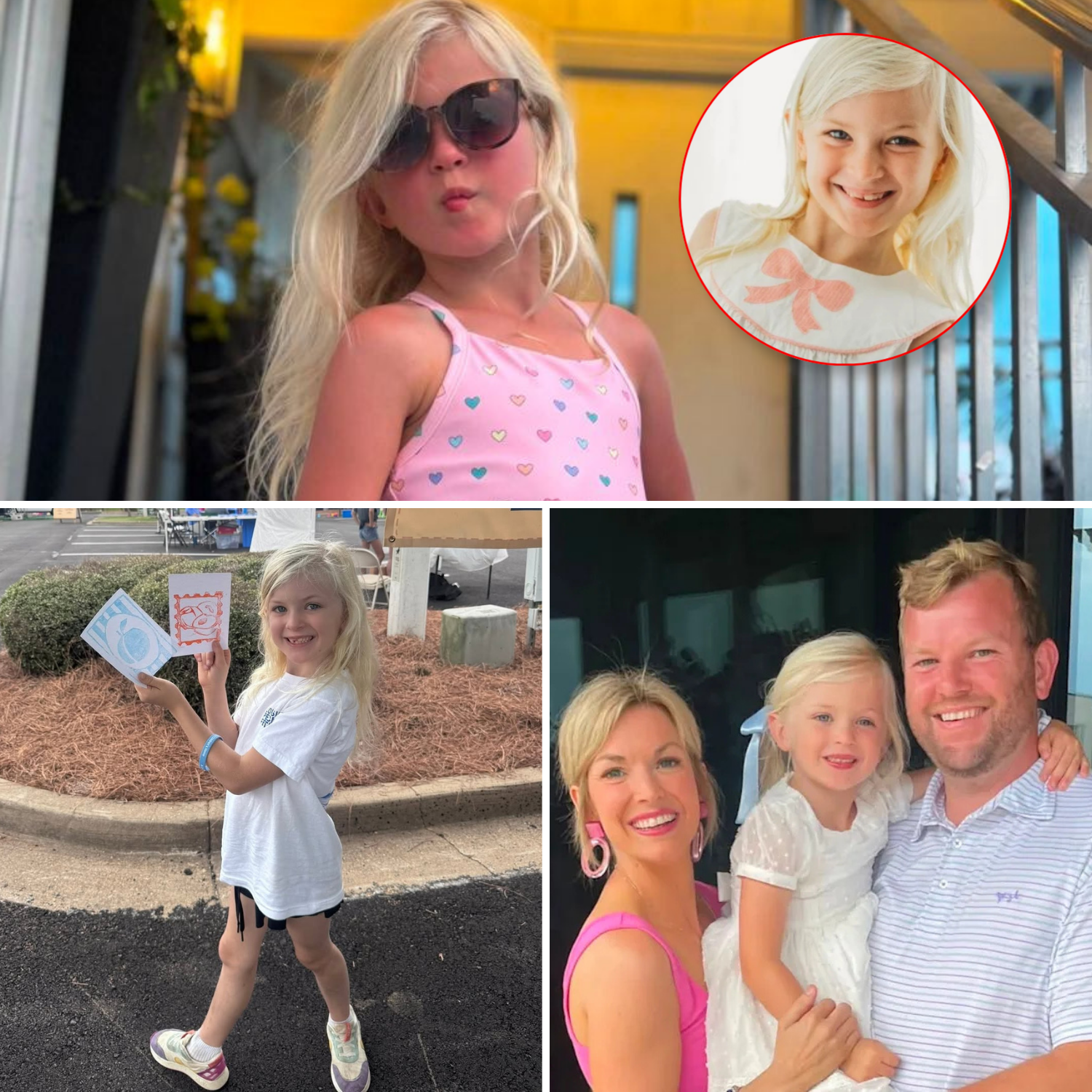
For most children, an eighth birthday is supposed to be filled with cake, presents, laughter and plans for the year ahead.
For Lillian Smart, her eighth birthday came inside a hospital as an entire Louisiana community prayed that she would survive an extraordinarily rare brain infection.
One day later, she was gone.
Lillian, an 8-year-old girl from Ruston, Louisiana, died on August 22 after developing primary amebic meningoencephalitis, or PAM, a devastating infection caused by the microscopic amoeba Naegleria fowleri.
Health officials said the infection was most likely acquired while she was swimming in Lake Claiborne, a freshwater lake in northern Louisiana.
Her death came just one day after her eighth birthday.
In a message shared publicly after she died, Lillian’s parents, Daniel and Rebecca Smart, said the damage to their daughter’s brain had become too severe for her body to overcome.
“Last night Lillian ran from our arms to the arms of Jesus,” they wrote, adding that everyone caring for her had done everything possible to keep her alive.
It was the heartbreaking end to an illness that had unfolded with frightening speed.
What began as a fever became a medical emergency
According to updates shared during Lillian’s illness, she initially developed a fever. As the days progressed, she remained extremely tired and continued experiencing high temperatures even after tests for illnesses including COVID-19, influenza and strep came back negative.
Then her symptoms became far more alarming.
Lillian began complaining of double vision, according to updates from her family. Her condition deteriorated rapidly, and she was hospitalized on August 15.
Doctors eventually identified Naegleria fowleri.
The Louisiana Department of Health publicly confirmed the infection on August 19 and said it was believed to have been acquired while swimming in Lake Claiborne.
The organism is commonly described as a “brain-eating amoeba,” although the nickname can make the danger sound more common than it actually is.
Naegleria fowleri infections are extraordinarily rare.
But when they happen, they can be catastrophic.
The amoeba naturally lives in warm freshwater environments such as lakes, rivers and ponds. Infection occurs when contaminated water enters a person’s nose and the organism travels toward the brain. It does not infect people simply because they swallow contaminated water, and it does not spread from one person to another.
Once it reaches the brain, it can cause PAM, an infection that destroys brain tissue and causes dangerous swelling.
The illness often begins with symptoms that could easily be mistaken for more common infections: headache, fever, nausea and vomiting. As it progresses, patients can develop a stiff neck, confusion, seizures, hallucinations and coma.
The speed of the disease is one of its most frightening characteristics.
Symptoms typically begin about five days after exposure, although they can appear anywhere from one to 12 days later. Once symptoms begin, death can occur within days.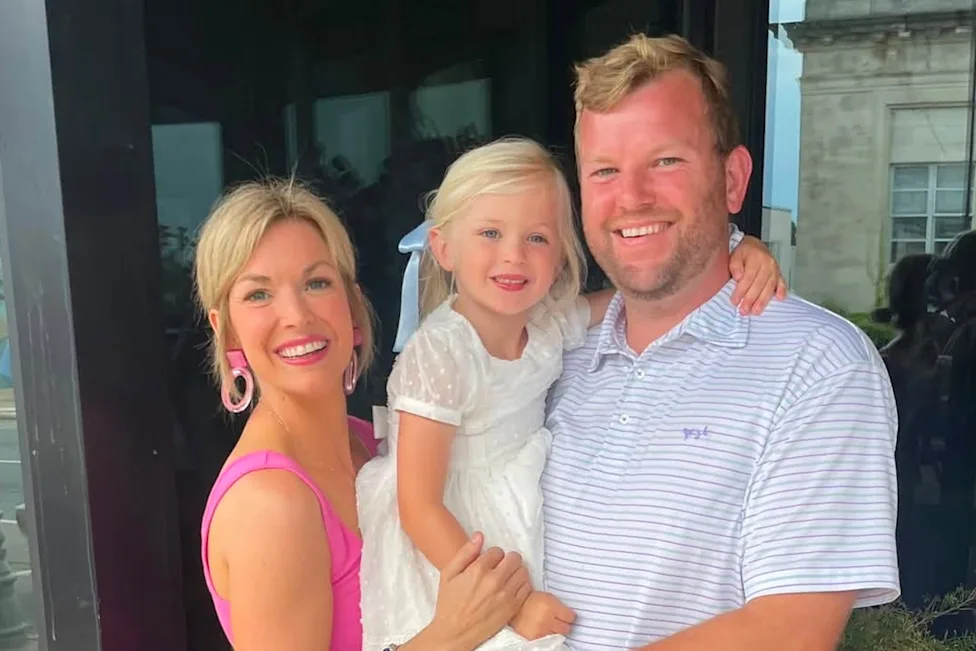
A birthday surrounded by an entire community
While Lillian was fighting for her life, something extraordinary was happening back home in Ruston.
Friends, neighbors and local businesses began rallying around the Smart family under the message “Love for Lillian.”
On August 21 — Lillian’s eighth birthday — businesses throughout the community participated in a fundraiser for her family. Restaurants and shops pledged portions of their proceeds, while residents wore “Love for Lillian” shirts and gathered in support of the little girl they desperately hoped would recover.
People who knew Lillian described her as a joyful child whose happiness was difficult to miss.
One local business owner who knew her said Lillian always seemed happy wherever she went and was almost always seen smiling.
At the time of the birthday fundraiser, her family was reporting significant brain swelling and asking people to continue praying.
The community did.
But less than 24 hours after Lillian turned 8, those prayers changed from prayers for recovery to prayers for a grieving family.
Lillian died on Saturday, August 22.
Her parents later wrote that they did not know how they would move forward without their daughter.
Yet even in their grief, they spoke about the community that had surrounded them during the worst days of their lives — something they believed Lillian herself would have loved to see.
An infection so rare that most families will never encounter it
Lillian’s death has also brought renewed attention to a disease that remains almost unimaginably uncommon.
CDC data show that 180 PAM cases were diagnosed in the United States between 1937 and 2025. In any given year, the number has ranged from zero to eight cases. Most infections have occurred during July and August, when freshwater temperatures are warmer and recreational water activity is at its peak.
Despite that rarity, the consequences are severe.
The CDC describes PAM as nearly always fatal. Only a handful of documented patients in North America have survived the infection.
Naegleria fowleri thrives in warm freshwater, particularly during prolonged periods of high temperatures. Because the organism can occur naturally in lakes and rivers, health officials say people should assume that some level of risk exists when entering warm freshwater rather than depending on environmental testing to determine whether a particular location is completely safe.
The CDC recommends reducing the amount of freshwater that enters the nose — particularly when water is warm — by holding the nose closed, using nose clips or keeping the head above water. Swimmers should also avoid stirring up sediment in shallow freshwater, where the amoeba may be more concentrated.
The agency stresses that the overall risk remains extremely low.
Millions of people swim in freshwater every year without developing PAM.
For the Smart family, however, an almost impossibly rare danger became devastatingly real.
A summer swim was followed by an illness few parents would ever expect. A fever became a neurological emergency. And a birthday that should have marked the beginning of another year of childhood became the final day of Lillian Smart’s life.
She had just turned 8.
By the next day, the community that had gathered to celebrate her was mourning her instead.