Griffin Was 13 When an Online Challenge Took His Life. Years Later, His Mom Is Still Fighting So Another Family Won’t Get the Same Call
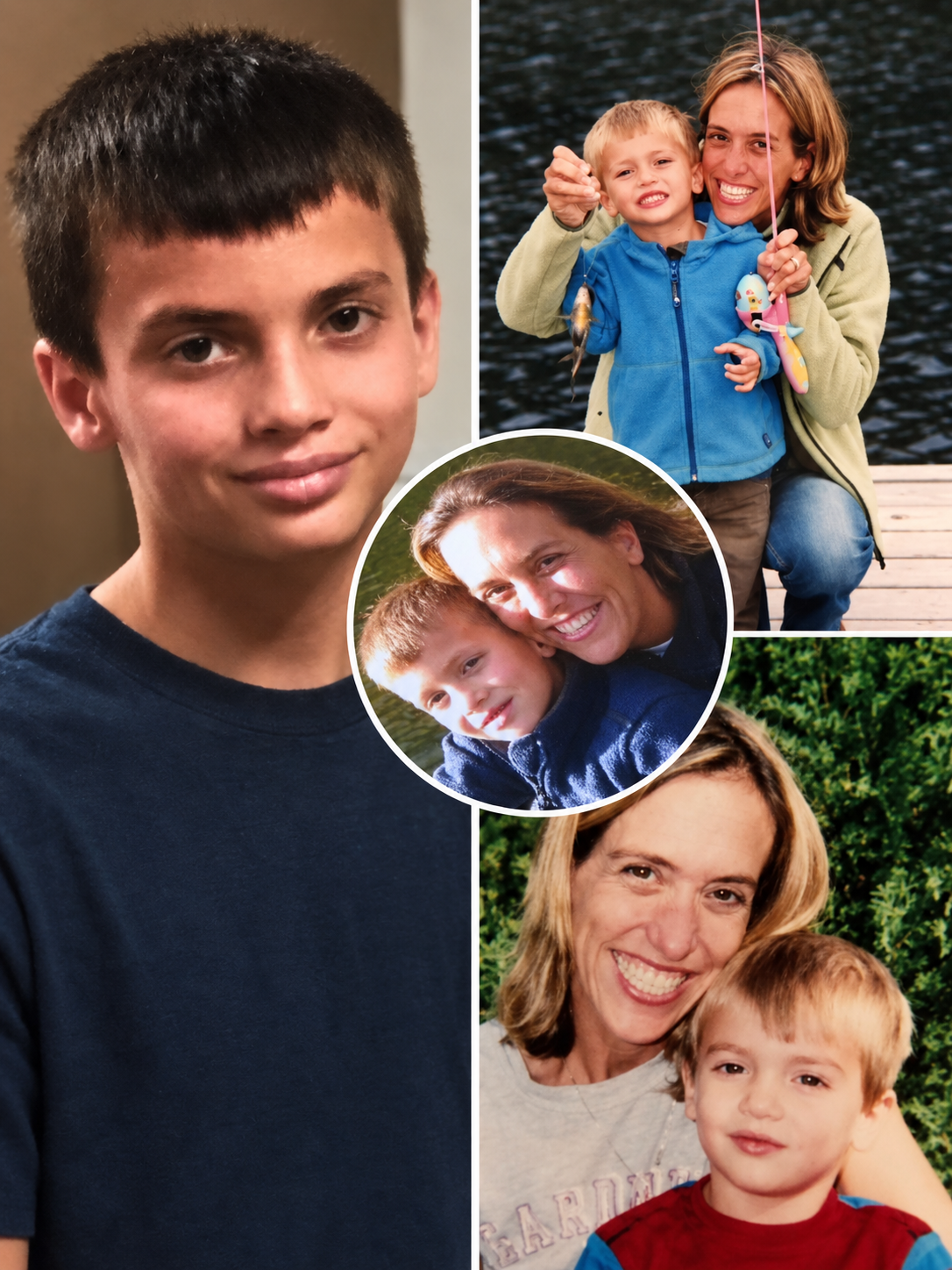
More than eight years after Griffin “Bubba” McGrath went upstairs to his bedroom and never came back down, his mother is still telling strangers about the worst night of her life.
Not because Annie McGrath wants her 13-year-old son to be remembered for the way he died.
Quite the opposite.
She wants people to know who Griffin was before an online challenge became attached to his name: an eighth-grader who loved science and mathematics, played baseball, made music and seemed to have an extraordinarily bright future ahead of him.
And in 2026, as courts across the United States confronted some of the biggest legal challenges yet over the way social media platforms affect children, Griffin’s story returned to the national conversation.
For Annie, however, the issue has never been abstract.
It is the story of a boy who went upstairs one ordinary evening — and a mother who later discovered that he would never come downstairs again.
Two weeks earlier, Griffin was celebrating an achievement
Griffin Glenn McGrath was 13 and attending Kromrey Middle School near Madison, Wisconsin.
His obituary describes a boy with an unusually intense curiosity. He devoured books, recreated science experiments he found online and even worked with a friend on a small Rubik’s Cube business.
Math was not simply another school subject. Griffin was a member of his school’s math team and sometimes filled his journal with complicated math problems for fun.
Only weeks before his death, Griffin and his teammates placed third in the Wisconsin Middle School Regional Science Bowl.
When he was not studying, he played baseball. His father had coached him for years. Griffin also played ultimate Frisbee and was deeply involved in music, playing drums, piano and saxophone and participating in a jazz band.
Those details matter to Annie because they challenge an assumption she has spent years fighting: that only obviously troubled or reckless children are vulnerable to dangerous material online.
Griffin, she has repeatedly said, was the kind of kid she did not believe she needed to worry about.
He had friends. He had good grades. He had interests and plans.
Then came February 14, 2018.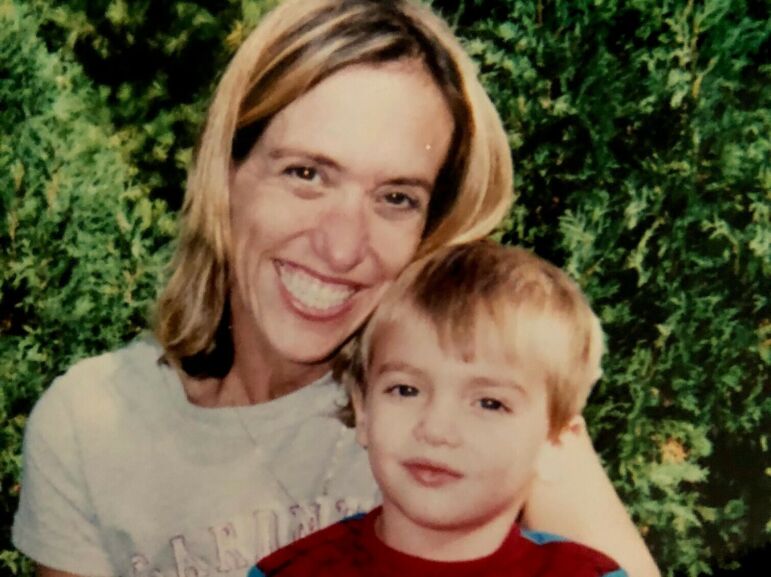
“He went up to his room, and he never came back down”
That evening began normally.
In a later interview with a Wisconsin television station, Annie recalled Griffin coming downstairs to ask her a question while studying math. He then returned upstairs, where he was communicating with friends.
Hours later, when Annie went to check on him, she found him unresponsive.
“He went up to his room, and he never came back down,” she later recalled.
Griffin died from accidental asphyxiation associated with what has been called the “blackout,” “choking” or “pass-out” challenge — a dangerous activity involving intentional oxygen deprivation.
Annie has said Griffin and his friends had encountered material about the practice online. In subsequent interviews, she said her family was familiar with the concept of internet challenges but had never imagined that one could be deadly.
Her son’s death transformed that assumption forever.
It also transformed Annie.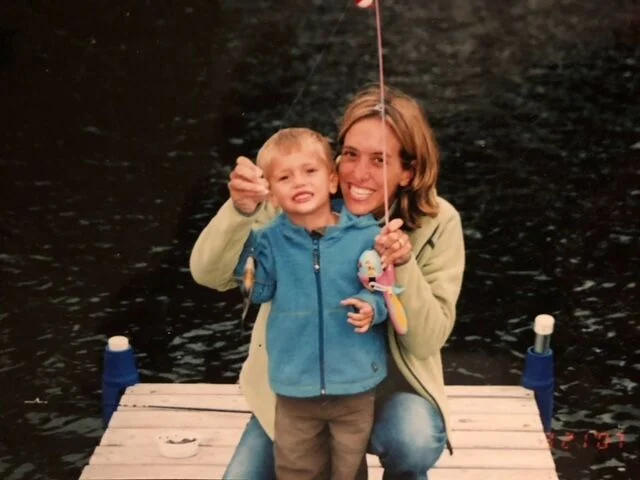
A mother became an advocate
In the years that followed, Annie began speaking publicly about dangerous online content and the systems that can expose children to it.
She became involved with Parents for Safe Online Spaces, or ParentsSOS, a coalition of families whose children died following different forms of online harm.
On the organization’s memorial page, Griffin is remembered as an “extraordinary and wickedly smart child” whose intelligence, kindness and quick wit left an impression on those around him.
But ParentsSOS is not simply a memorial organization.
The families have pushed Congress for stronger child-safety protections, including the Kids Online Safety Act, commonly known as KOSA. Annie has joined other bereaved parents in letters to lawmakers urging action on online design features and content they believe put young users at risk.
She has also confronted technology companies more directly.
In 2023, Annie addressed shareholders of Alphabet, YouTube’s parent company, seeking greater accountability and transparency surrounding dangerous challenge videos. A YouTube spokesperson said at the time that the platform’s policies prohibited and removed content involving dangerous choking or asphyxiation challenges.
Annie argued that dangerous material could still be found despite those rules.
Her fight eventually extended into court.
Court records show Annie McGrath among the plaintiffs in litigation involving Alphabet, Google, YouTube, ByteDance and TikTok. An appeal associated with the case was filed with the U.S. Court of Appeals for the Ninth Circuit in January 2026, with filings continuing into the summer.
The companies have disputed claims that their products make them legally responsible for harms alleged by plaintiffs and have raised legal protections and other defenses in social-media litigation.
Why Griffin’s story resurfaced in 2026
The larger debate Annie had joined moved into a consequential new phase this year.
On August 18, a major federal trial began in Oakland involving claims from a coalition of states against Meta, the parent company of Facebook and Instagram.
The states alleged that Meta knowingly designed features that encourage compulsive use among young people while misleading parents and the public about risks. They also raised allegations involving the collection of data from children under 13.
Meta denied wrongdoing and has defended its child-safety efforts.
The Meta case is separate from the circumstances of Griffin’s death and from Annie’s litigation involving other platforms. But it placed many of the issues she has spent years talking about — platform design, children’s exposure to harmful material and corporate responsibility — under an unusually bright national spotlight.
Then, on August 26, Meta agreed to a settlement valued at up to $16.68 billion with 29 states over allegations concerning social-media harms to children. Meta continued to deny wrongdoing.
For parents such as Annie, the courtroom battles represent something larger than money.
Earlier in 2026, writing about major social-media verdicts, she described herself simply as a mother who had lost her son to online harms and had spent years waiting for technology companies to be held accountable.
Behind every legal argument, for her, is Griffin.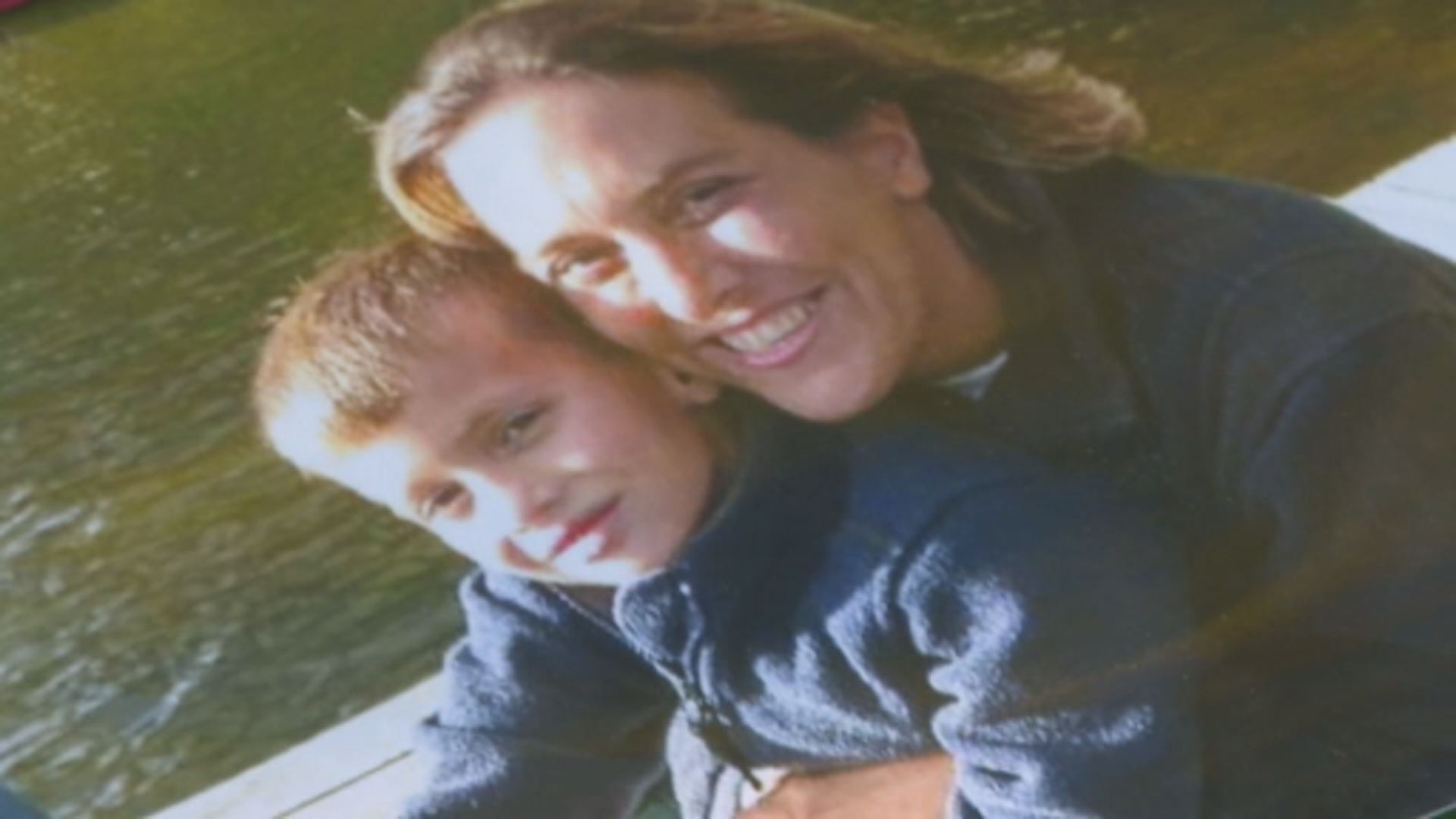
The boy behind the campaign
It would be easy for Griffin McGrath to become another name in a debate filled with lawsuits, legislation and statistics.
His family has spent years making sure that does not happen.
He was the boy who filled notebooks with equations.
The boy who loved science experiments.
The baseball player whose father coached him.
The teenager who played drums, piano and saxophone and, according to his obituary, spent the final night of his life preparing to start a garage band with friends.
His obituary described him as someone who was “always reaching for the stars and working towards his next goal.”
He never got the chance to reach the next one.
Griffin died on February 14, 2018, at 13 years old.
More than eight years later, his mother’s fight continues through advocacy, legislation and litigation.
She cannot change what happened in the bedroom upstairs that night.
What she is trying to change is what another parent might discover when their own child closes a bedroom door and goes online.
For Annie McGrath, that is why Griffin’s story still needs to be told — not simply as the story of how a 13-year-old boy died, but as a warning built around the life he should have had.