LINDSAY CLANCY CASE: THE STORY BEHIND THE SILENCE, THE MISTRIAL AND THE QUESTIONS THAT REMAIN
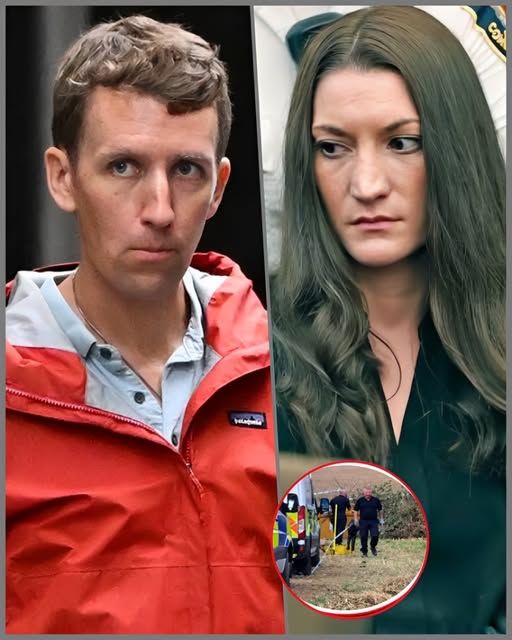
LINDSAY CLANCY CASE: THE STORY BEHIND THE SILENCE, THE MISTRIAL AND THE QUESTIONS THAT REMAIN
The trial ended without a verdict. Then Patrick Clancy finally spoke — and some of the darkest questions surrounding the case came back into focus.
For more than three years, the Lindsay Clancy case has been surrounded by grief, conflicting interpretations and relentless online speculation.
On September 4, 2026, the murder trial ended in a mistrial after jurors could not reach a unanimous verdict.
And now, for the first time since the trial, Patrick Clancy has publicly described what happened inside his family — and what it has been like living with the aftermath.
His interview with CBS’s 60 Minutes aired September 20.
It was not a revelation about a hidden crime beneath the Clancy family’s home.
It was something more painful: a father’s account of losing all three of his children while watching the story surrounding their deaths become increasingly distorted online.
THE NIGHT THAT CHANGED EVERYTHING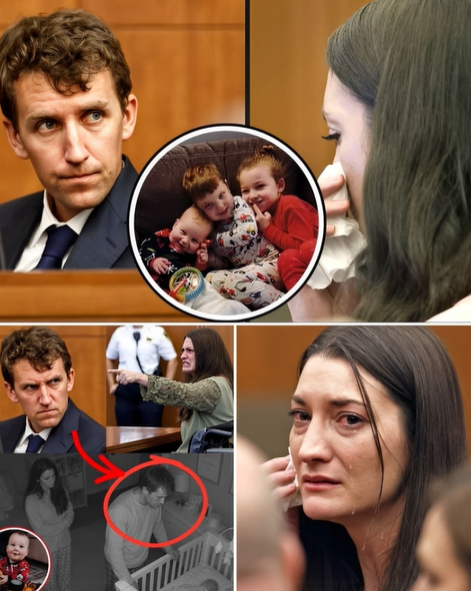
On January 24, 2023, Patrick returned home to the family’s Duxbury, Massachusetts, house and discovered his three children in the basement.
Cora, 5, and Dawson, 3, were dead.
Eight-month-old Callan was still alive and was rushed to Boston Children’s Hospital.
Patrick later described desperately hoping that at least one of his children would survive.
Callan lived for four more days.
Patrick said he held his youngest son during his final moments.
The loss left him questioning how he could continue living without his children.
THEN CAME THE TRIAL
Lindsay Clancy was charged with killing Cora, Dawson and Callan.
Her defense argued that she had been suffering from severe postpartum psychiatric illness, including postpartum psychosis, and was not criminally responsible for her actions.
Prosecutors presented a very different interpretation, arguing that she knew what she was doing and had planned the killings.
After more than three weeks of testimony and seven days of deliberations, the jury remained deadlocked.
A judge declared a mistrial on September 4.
There was no final verdict establishing criminal responsibility.
The Plymouth County District Attorney’s Office has not announced whether Lindsay Clancy will face another trial.
THE 911 CALL HEARD IN COURT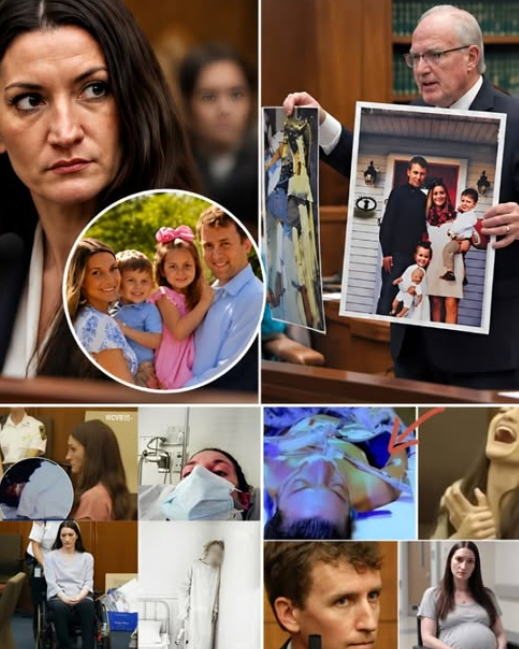
One of the most painful moments of the trial came when jurors heard Patrick’s 911 call after he discovered his children.
The recording was not publicly released because of its extremely sensitive nature.
Patrick later told 60 Minutes that hearing the call during the trial triggered a severe panic attack.
He temporarily left the proceedings, was offered medical treatment, and ultimately returned to finish his testimony.
That moment became another reminder that the trial was not simply a courtroom battle.
For Patrick, it meant reliving the worst day of his life in public.
WHAT ABOUT THE “LIES” ONLINE?
This is where the story has taken another turn.
After the mistrial, social media became flooded with theories about Patrick, Lindsay and what happened inside the Clancy home.
Some online posts accused Patrick of being connected to the deaths of his children.
Patrick directly addressed those theories during the 60 Minutes interview.
He described them as baseless and said they had caused additional harm to his family and distracted from what he believes should be the central issue: perinatal mental health.
There is currently no court finding establishing those online accusations against Patrick as fact.
That distinction matters.
The internet has produced thousands of theories about the case.
The courtroom produced evidence, testimony and competing legal arguments.
They are not the same thing.
PATRICK SAYS HE FORGAVE LINDSAY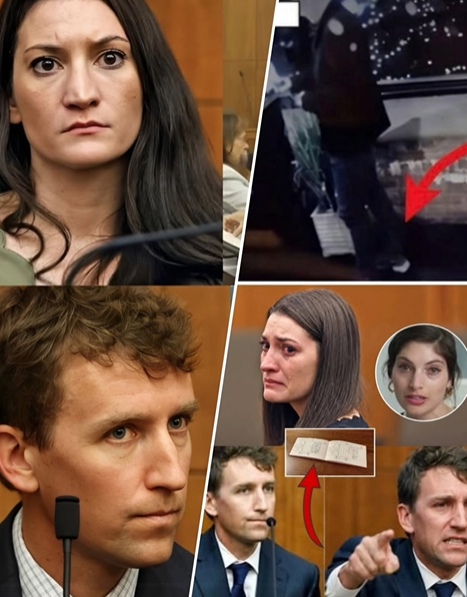
Perhaps the most difficult part of Patrick’s interview was not an accusation.
It was forgiveness.
Patrick said he decided to forgive Lindsay after the deaths of their children.
He has consistently described her actions through the lens of severe mental illness rather than simply reducing her to a label.
That position has remained controversial because the legal question of criminal responsibility was never reso