NOAH DONOHOE’S MUM FOUGHT FOR SIX YEARS FOR ANSWERS — NOW HIS INQUEST HAS FINALLY REVEALED A TRAIL OF FAILINGS
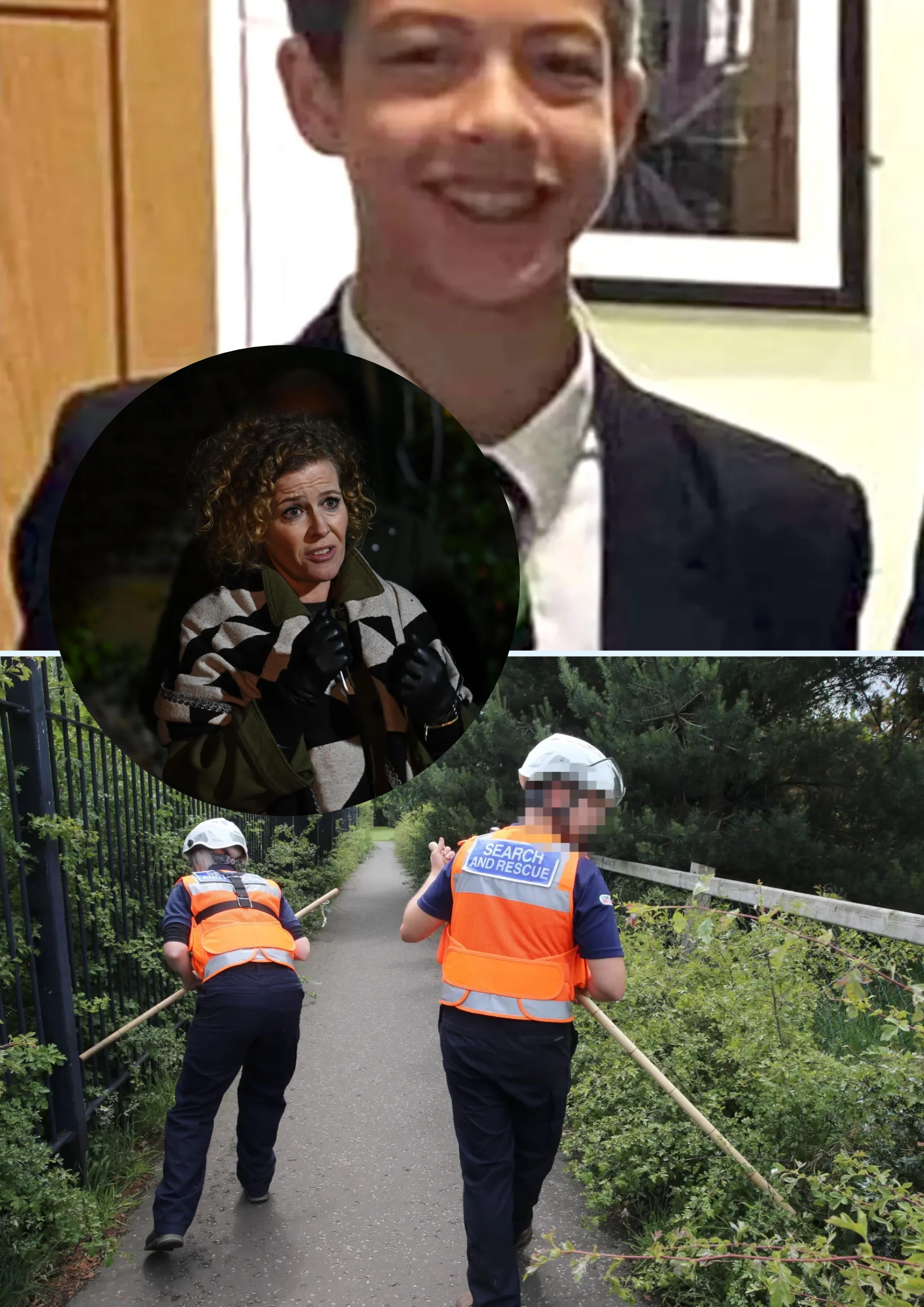
NOAH DONOHOE’S MUM FOUGHT FOR SIX YEARS FOR ANSWERS — NOW HIS INQUEST HAS FINALLY REVEALED A TRAIL OF FAILINGS
Six years after 14-year-old Noah Donohoe disappeared in Belfast, his mother Fiona has finally heard the findings of a long-running inquest — but many questions surrounding her son’s final hours remain unanswered.
For Fiona Donohoe, the search for answers began on a summer evening in 2020.
Her 14-year-old son, Noah, had disappeared while cycling through Belfast.
Six days later, his body was discovered inside an underground water tunnel in north Belfast.
A post-mortem examination concluded that Noah had drowned.
But what happened between the moment he disappeared and the moment he entered the tunnel remained one of the most painful unanswered questions for his family.
Now, after a lengthy inquest that began in January 2026, a jury has reached unanimous findings — identifying failures in the handling of the water culvert and a series of problems with the police investigation.
Yet the circumstances surrounding Noah’s death remain without a definitive explanation.
 A SIX-YEAR SEARCH FOR ANSWERS
Noah disappeared in June 2020 after leaving home on his bicycle.
His disappearance triggered a huge search operation across Belfast.
Six days later, his body was found inside an underground water tunnel.
For years afterward, Fiona continued campaigning for answers.
She created the advocacy group Noah’s Army, organized public campaigns and gathered widespread support, including a petition that attracted almost 300,000 signatures.
Throughout the inquest, Fiona attended the proceedings and closely followed evidence relating to her son’s final movements and the police response.
The Sun reported that the five-month inquest heard testimony from numerous witnesses and examined CCTV footage, police records, maps and expert evidence.
WHAT DID THE JURY FIND?
On September 15, 2026, after five days of deliberations lasting around 32 hours, the jury reached unanimous findings on the questions before it.
The jury concluded that Noah died before he was reported missing.
It also found that failures relating to the management and security of access to the water culvert possibly contributed to his death.
However, the jury said those failures were possible, rather than probable, contributors.
That distinction is important.
The inquest did not establish that the Department for Infrastructure’s failings directly caused Noah’s death.
 POLICE INVESTIGATION ALSO CAME UNDER SCRUTINY
The jury found that police failings did not contribute to Noah’s death itself.
However, jurors identified 13 failings in the subsequent police investigation.
Those included problems involving CCTV, search procedures, evidence handling and documentation.
The inquest heard that these investigative shortcomings affected the ability to establish what had happened to Noah.
Sky News reported that the jury’s findings meant the inquest could not provide definitive answers to some of the central questions surrounding his final movements.
The Guardian similarly reported that the investigation’s shortcomings had hampered efforts to establish the circumstances of Noah’s death.
CCTV BECAME A MAJOR ISSUE
One of the most significant themes during the inquest was CCTV evidence.
Footage was examined to reconstruct Noah’s movements after he left home.
The jury heard evidence that some footage was not identified or secured as quickly as it might have been, while other recordings were affected by timing or documentation issues.
The inquest also heard about difficulties surrounding the preservation and handling of evidence.
These issues became particularly significant because CCTV offered one of the few ways investigators could reconstruct Noah’s final journey.
THE WATER TUNNEL
Experts also examined the underground culvert where Noah was found.
Evidence presented during the inquest indicated that access to the structure was possible through gaps in the entrance.
The management of that access became a central issue in determining whether failures surrounding the culvert could have contributed to Noah’s death.
The jury ultimately found that such failures possibly contributed.
But the finding did not establish exactly how Noah entered the tunnel or precisely what happened immediately beforehand.
FIONA: “NOAH WAS FAILED”
Outside Belfast Coroner’s Court, Fiona paid tribute to her son.
Speaking through her solicitor, she described Noah as the “greatest gift” in her life and said she missed him every minute of every day.
She said she had entered the inquest seeking answers and left with what she regarded as one clear conclusion: that Noah had been failed.
Fiona criticized both the Department for Infrastructure and the Police Service of Northern Ireland, alleging that institutional failings had prevented her family from getting the answers they deserved.
Those statements are Fiona’s views following the inquest; the jury’s formal findings were more specific, distinguishing between possible contributory failures and investigative shortcomings.
SIX YEARS LATER, QUESTIONS STILL REMAIN
The inquest has shed new light on what went wrong — particularly concerning access to the culvert and the handling of parts of the police investigation.
But it has not produced a complete account of Noah’s final moments.
His cause of death remains drowning.
The jury found that he died before being reported missing.
It found possible contribution from failures surrounding the water culvert and identified 13 police investigative failings that affected the search for answers.
But there is still no definitive finding explaining every step of Noah’s final journey.
For Fiona, the campaign that began six years ago continues to be about remembering the boy behind the case — a teenager described by people who knew him as intelligent, curious and ambitious, with dreams for his future.
Noah was 14 when he disappeared.
Six years later, his mother finally has some answers — but not all of them.