A Bloodstain Waited More Than 50 Years to Point Investigators Toward a Name
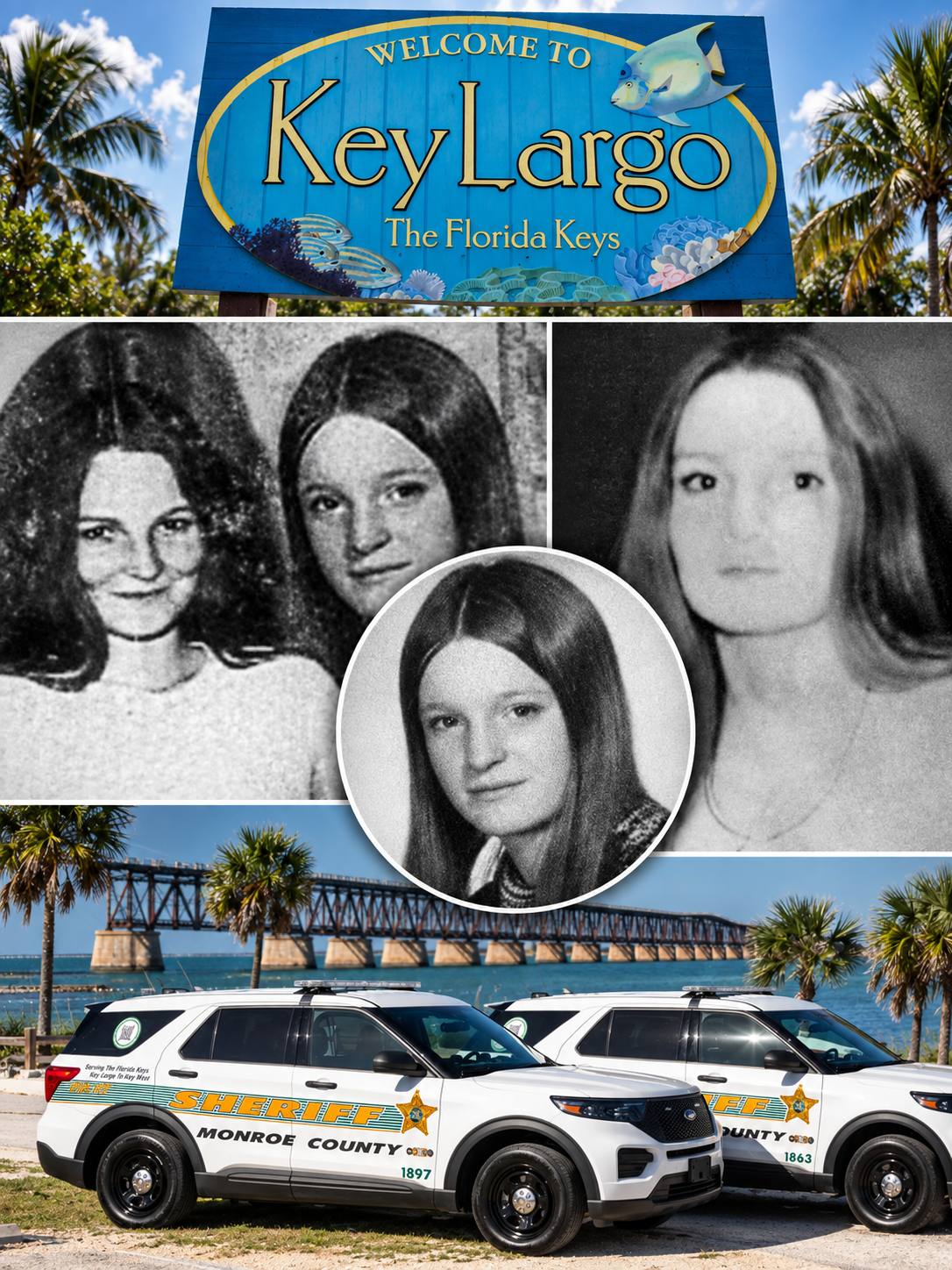
For more than half a century, one of the most important pieces of evidence in the murders of two teenage sisters existed quietly inside an old cold-case file.
It was a bloodstain.
The stain had been collected after 18-year-old Marguerite “Maggie” Jenkins and her 16-year-old sister Mary Jenkins were found murdered in the Florida Keys in 1973.
At the time, investigators could not turn it into a name.
Decades later, they tried again.
This time, DNA technology revealed a partial male profile.
Still, there was no match.
Then forensic genetic genealogy changed what investigators could do with that old evidence.
In September 2026 — more than 53 years after Maggie and Mary were killed — authorities announced they had identified a suspect: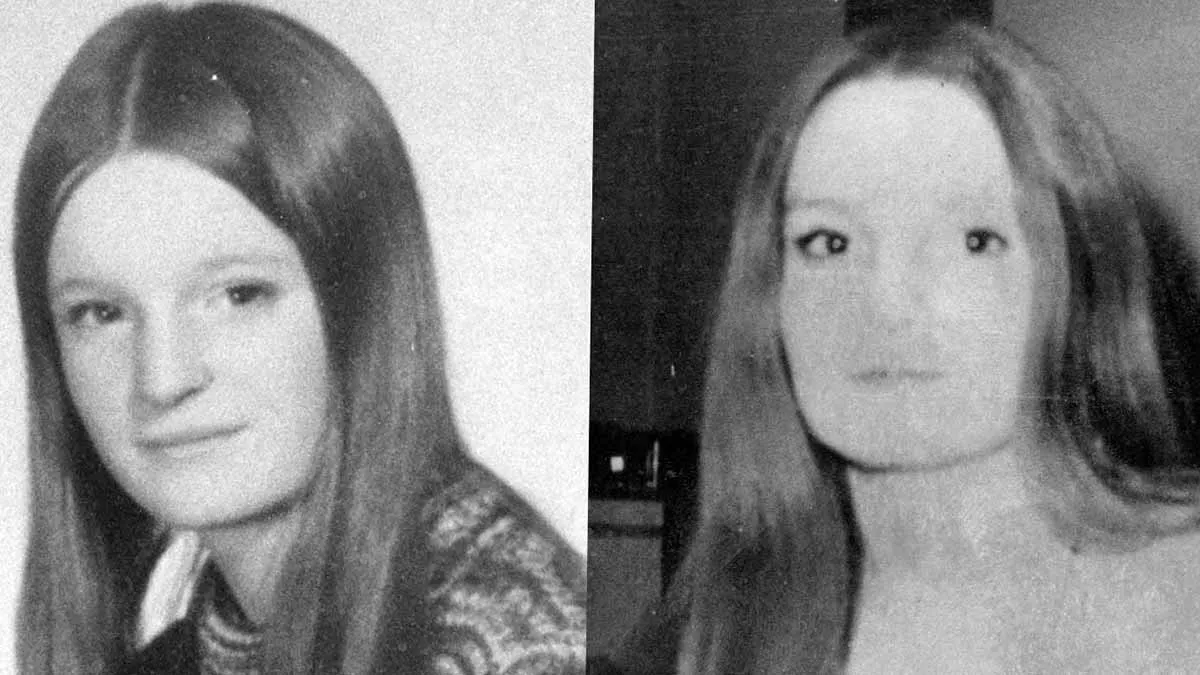
David Allen Snyder.
Snyder had been dead for almost 18 years.
There would be no arrest and no trial.
But after generations of unanswered questions, investigators finally had a name connected to evidence preserved since 1973.
Two Sisters Head to the Florida Keys
In April 1973, Maggie and Mary left New Jersey for a vacation in the Florida Keys.
Maggie was 18.
Mary was only 16.
At the time, hitchhiking was far more common than it is today, particularly among young travelers.
On May 2, the sisters were last seen hitchhiking on Stock Island, just outside Key West.
Then they disappeared.
The following day, a local resident made a horrifying discovery nearly 100 miles farther north.
In a wooded area near U.S. 1 at Mile Marker 99.5 in Key Largo, the bodies of Maggie and Mary were found approximately 100 yards from the highway.
Both sisters had been severely beaten.
Authorities also reported that they had suffered apparent gunshot wounds.
What had begun as a Florida vacation had ended in a double homicide.
But investigators had very little to tell them who was responsible.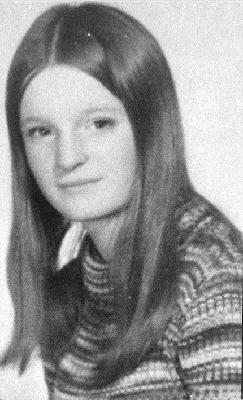
The Trail Went Cold
Detectives worked the case, collecting evidence and attempting to identify anyone who might have encountered the sisters during their final hours.
The fact that Maggie and Mary had been hitchhiking created an enormous problem.
They may have accepted a ride from someone they had never met.
If that happened, there might have been no connection between the killer and the sisters before that day.
No shared workplace.
No family relationship.
No obvious social connection.
And no easy name for detectives to investigate.
Despite the original investigation, authorities were unable to identify a suspect.
Years passed.
Then decades.
The killing of the Jenkins sisters became one of the Florida Keys’ long-unsolved cold cases.
But physical evidence from the investigation remained preserved.
That would eventually matter more than anyone in 1973 could have imagined.
A Bloodstain Gets Another Look
By 2018, forensic science had transformed.
DNA testing could extract information from evidence that earlier investigators had no way to fully analyze.
FDLE forensic specialists returned to evidence from the Jenkins case.
From a bloodstain found on the underwear of one of the victims, scientists developed additional genetic markers for a partial male DNA profile.
It was a major step.
Investigators now had genetic information believed to be connected to the unknown suspect.
The profile was entered into CODIS, the national law-enforcement DNA database.
If the same person’s DNA had been entered into the system through another qualifying investigation, detectives might finally get a match.
They waited.
Nothing.
The database returned no identification.
After 45 years, investigators were closer than they had ever been.
But the man’s name remained unknown.
Genetic Genealogy Changes the Rules
Traditional forensic DNA databases depend heavily on direct matching.
If a suspect’s DNA is not already in the database, investigators may get no answer.
Forensic genetic genealogy works differently.
Instead of searching only for the exact person, investigators can use DNA to search for people who share portions of the unknown individual’s genetic profile.
Those distant relatives can become the starting points of family trees.
Genealogists then work backward and forward through generations, examining birth records, deaths, marriages and family relationships until a smaller group of possible people emerges.
In 2023, the FDLE Forensic Investigative Genetic Genealogy Program accepted the Jenkins case.
Investigators worked with a specialized laboratory to develop a more detailed SNP DNA profile from the old evidence.
That profile was suitable for genetic genealogy research.
More than 50 years after the murders, detectives could finally ask a question investigators in 1973 could never have asked:
Who was genetically related to the man who left this blood behind?
The Family Tree Leads to David Snyder
Investigators began building family trees from the genetic connections.
Eventually, the research pointed toward David Allen Snyder as a possible suspect.
The name alone was not enough.
Genealogy can produce investigative leads, but detectives still need additional evidence to determine whether the person identified by the family-tree research actually fits the case.
Snyder did.
Investigators discovered that he had lived at several locations in Key West between 1972 and 1974.
That placed him in the area during the exact period Maggie and Mary were killed.
But Snyder could no longer be questioned.
He had died in Idaho in October 2008.
He was 57.
Investigators therefore needed another way to test whether the genetic lead really pointed to him.
A Relative’s DNA Provides the Final Comparison
In 2026, investigators located a relative of Snyder and collected a DNA sample.
The sample was sent to the FDLE crime laboratory.
Scientists compared the relative’s genetic information with the old evidence from the Jenkins investigation.
Authorities said the results confirmed Snyder as the suspect associated with the DNA evidence.
More than five decades after the sisters’ deaths, investigators believed they finally knew whose genetic material had been preserved in the case.
The announcement came on September 2, 2026.
For Maggie and Mary’s surviving family, it provided an answer they had spent most of their lives without.
Their sister Sarah Jenkins Barlow had lived with the mystery for 53 years.
The man investigators now believed was responsible had also lived for decades after the killings.
He died before modern forensic science could connect him to the case.
No Trial Means Some Questions Will Remain
The DNA breakthrough is powerful, but Snyder’s death creates an important limitation.
He cannot be arrested.
He cannot be questioned about what happened.
Prosecutors cannot present the case against him in court.
And a defense attorney cannot challenge the evidence before a jury.
For that reason, Snyder should be described accurately as the man investigators have identified as the suspect, rather than someone convicted of killing Maggie and Mary.
The announcement answers one enormous question.
But it cannot answer everything.
Investigators may never know exactly how the sisters encountered Snyder.
They may never know what was said during the ride.
They may never be able to reconstruct every moment between the sisters’ last sighting on Stock Island and the discovery of their bodies in Key Largo.
Those details may have disappeared with time.
The blood evidence did not.
Fifty-Three Years Later, the Evidence Finally Had a Name
The most remarkable part of the Jenkins case may be how little the evidence needed to change.
The bloodstain was already there.
It had been collected decades earlier.
What changed was the science surrounding it.
In 1973, it could not tell investigators who had left it.
In 2018, it could produce a partial DNA profile — but not a database match.
Years later, forensic genetic genealogy transformed that same evidence into a path through generations of relatives.
That path eventually led investigators to David Allen Snyder.
Maggie and Mary never lived to see DNA profiling, online genealogy databases or the technology that would reopen their case.
Snyder died before investigators reached his name.
But the evidence survived all of them.
For more than half a century, a bloodstain remained inside a cold-case file waiting for science to catch up.
In 2026, it finally pointed investigators toward a name.