Grand Jury Declines Charges in Nolan Wells’ Death After Reviewing 43 Witnesses and Conflicting Medical Questions
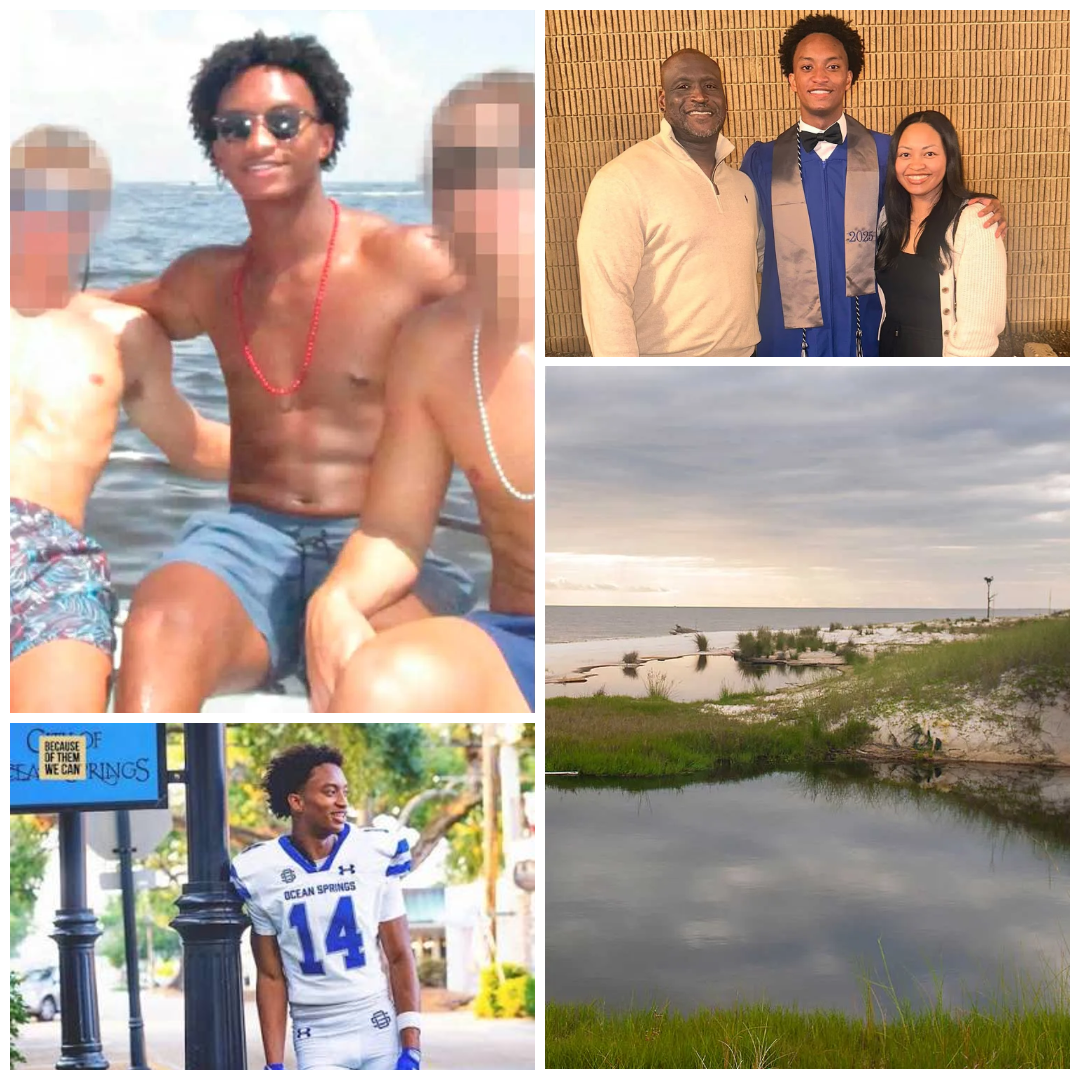
More than two months after 18-year-old Nolan Wells disappeared during a Fourth of July gathering on Horn Island, a Mississippi grand jury has reached a major conclusion: no one will be criminally charged in connection with his death.
The decision followed months of scrutiny, an independent investigation commissioned by Nolan’s family, testimony from 43 witnesses and detailed consideration of medical findings, cellphone information and conflicting questions about injuries found on his body.
Yet even after that extensive review, one important mystery remains.
Both the state’s chief medical examiner and an outside expert retained by Nolan’s family concluded that the official cause and manner of his death remain undetermined. Drowning was considered the most likely explanation only after other possibilities were examined and excluded.
The grand jury ultimately found that the location, condition and circumstances in which Nolan’s body was discovered were consistent with drowning.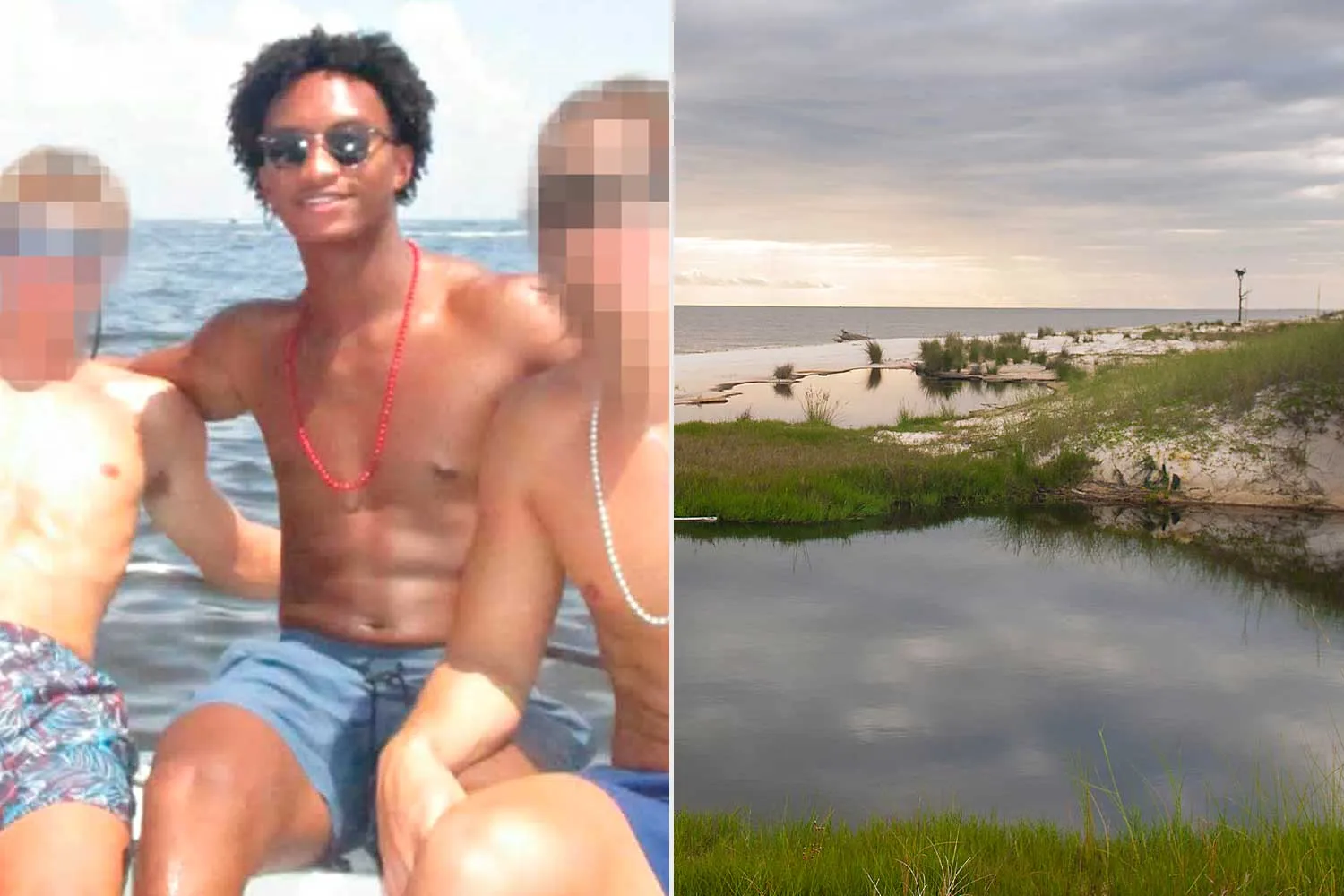
A Holiday Gathering That Ended in a Search
Nolan had traveled to Horn Island, off the Mississippi coast, for a large Fourth of July gathering.
At some point during the day, he became separated from the group he had arrived with.
Friends later maintained that Nolan had decided to remain on the island while others left. His family questioned that account, saying such a choice seemed inconsistent with his behavior and raising concerns about how the teenager could have vanished from a crowded social gathering without anyone immediately understanding what had happened.
His disappearance quickly led to an intensive search.
Two days later, Nolan’s body was found.
The circumstances immediately drew widespread attention, in part because of the unusual timeline and the questions raised by his parents about whether investigators had fully examined every possibility.
Nolan’s family also publicly wondered whether race could have influenced how the case was initially treated. Their attorney, Ben Crump, questioned whether authorities would have responded differently if the racial identities of Nolan and the young people with him had been reversed.
Those concerns became part of a broader public debate surrounding the case.
A Grand Jury Reviews the Evidence
The grand jury examining Nolan’s death was first impaneled on April 20, then reconvened on September 14 before completing its work on September 18.
The panel consisted of 23 people ranging in age from 27 to 68.
Thirteen were men and 10 were women. Twelve jurors were White, five were Black, two were Hispanic, two were Native American, one was Asian and one was listed as another racial category.
Over the course of the proceedings, the grand jury heard testimony from 43 witnesses.
Jurors also asked Nolan’s family and their legal representatives to turn over any relevant evidence gathered through their independent investigation.
According to information released after the proceedings, a representative for the family’s investigative team said that effort had not identified witnesses or evidence they reasonably believed pointed to potential criminal conduct requiring referral to prosecutors.
After reviewing the available evidence, the grand jury unanimously declined to return an indictment.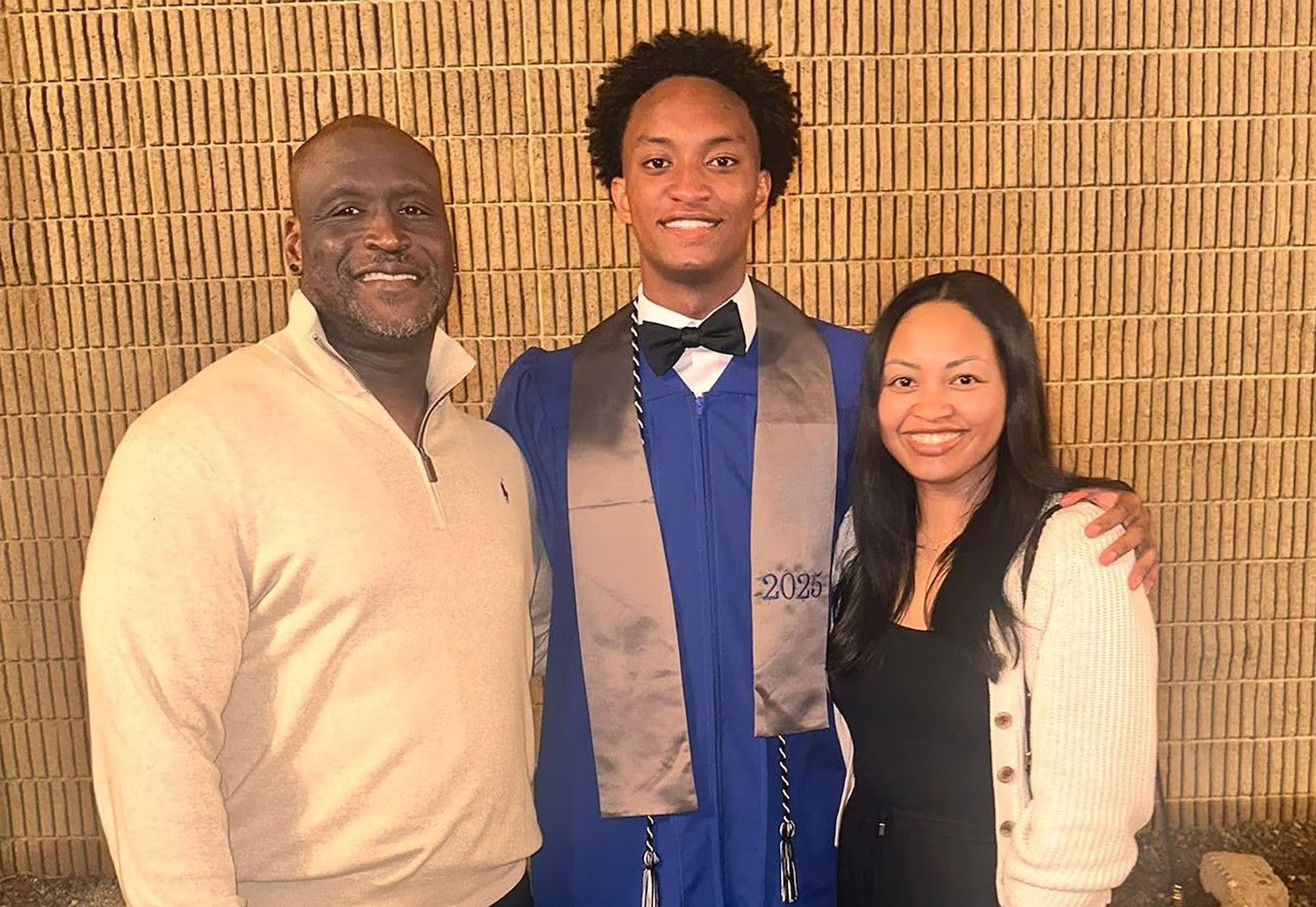
Medical Findings Left Important Questions Open
One of the most closely examined issues involved injuries found on Nolan’s body.
There was bruising on the back of his head.
However, the grand jury concluded that the injury was not fatal and found no evidence of any other fatal trauma or underlying disease that would explain his death.
A witness provided one possible explanation.
According to testimony, Nolan was seen slipping from the side of a boat at approximately 3:30 p.m. on July 4.
The witness could not determine whether Nolan hit his head during the fall.
Importantly, Nolan reportedly continued socializing afterward and did not appear visibly injured.
The grand jury considered that incident a potentially credible explanation for the bruising but stopped short of declaring it the definitive cause.
Jurors concluded that they could not determine with complete certainty how the injury occurred.
There was another medical disagreement as well.
The state’s chief medical examiner and the doctor who performed the independent autopsy disagreed over whether additional bruising existed in non-deep tissue around Nolan’s buttocks and shoulder.
Even after examining those findings, however, the grand jury did not uncover evidence linking the injuries to a fatal assault.
The outside medical expert was also given access during the proceedings to more portions of Nolan’s body than had initially been available for review, including areas of his neck.
Despite the additional examination, the medical conclusion did not change enough to establish another cause of death.
Online Cocaine Claims Rejected
The investigation also addressed a claim that had circulated publicly suggesting Nolan had cocaine in his system.
The grand jury rejected that allegation.
Jurors concluded there was no cocaine detected and found no evidence suggesting Nolan had ever used the drug.
Alcohol was a different matter.
According to the findings, Nolan had purchased alcohol using a fake identification card.
The grand jury said no person over the age of 21 was found to have provided alcohol to Nolan or the friends with him that day.
Toxicology testing was reviewed, but jurors were cautious about how much weight to place on it.
Because Nolan’s body had undergone decomposition by the time it was recovered, the grand jury found that aspects of the toxicology results were not particularly reliable or informative.
That limitation became another reason the case resisted a simple medical explanation.
Questions About Nolan’s Phone and His Decision to Stay
Jurors also examined information recovered from Nolan’s phone.
Some friends had said Nolan intentionally left the phone behind on a boat before remaining on the island.
For his family, that detail had contributed to their doubts.
Leaving his belongings behind and separating from the people he came with did not make sense to them.
But after hearing testimony and reviewing the phone evidence, the grand jury ultimately accepted the conclusion that Nolan had voluntarily chosen to remain on the island.
Jurors found no evidence showing that his friends were involved in his death.
They also found no evidence of an altercation involving Nolan before his disappearance.
Prosecutor Angel Myers McIlrath said the people who had been with Nolan had faced intense public criticism and maintained that the investigation uncovered no evidence supporting accusations that they had harmed him.
She also rejected the suggestion that Nolan’s disappearance resulted from racial hatred or violence.
According to the prosecutor, Nolan and the friends present that day cared about one another, and investigators found nothing contradicting the conclusion that he stayed behind by choice.
A Legal Conclusion, but Not Every Answer
For Nolan’s parents, the central demand throughout the case had been transparency.
They wanted a full explanation of how their 18-year-old son could attend a public holiday gathering on what began as a bright summer day and never return home.
The grand jury process has now produced a legal answer.
No indictment will be issued.
No person has been identified as criminally responsible for Nolan’s death.
Evidence reviewed by the jury did not establish an assault, fatal injury, cocaine use or involvement by the friends who were with him earlier that day.
But the medical conclusion remains less absolute.
The cause and manner of Nolan Wells’ death are still officially undetermined.
The available evidence was considered consistent with drowning, but neither the state examiner nor the family’s independent expert could establish drowning with the kind of direct certainty that would eliminate every remaining question.
That leaves the Wells family with a conclusion that closes one major part of the case without fully explaining every moment that led to Nolan’s death.
After months of investigation, dozens of witnesses and two medical reviews, authorities have determined that there is not enough evidence to charge anyone.
What happened during Nolan’s final hours on Horn Island, however, may never be reconstructed with complete certainty.