Ben Crump Challenges Decision to Close Nolan Wells Case, Citing Unanswered Questions About Teen’s Injuries
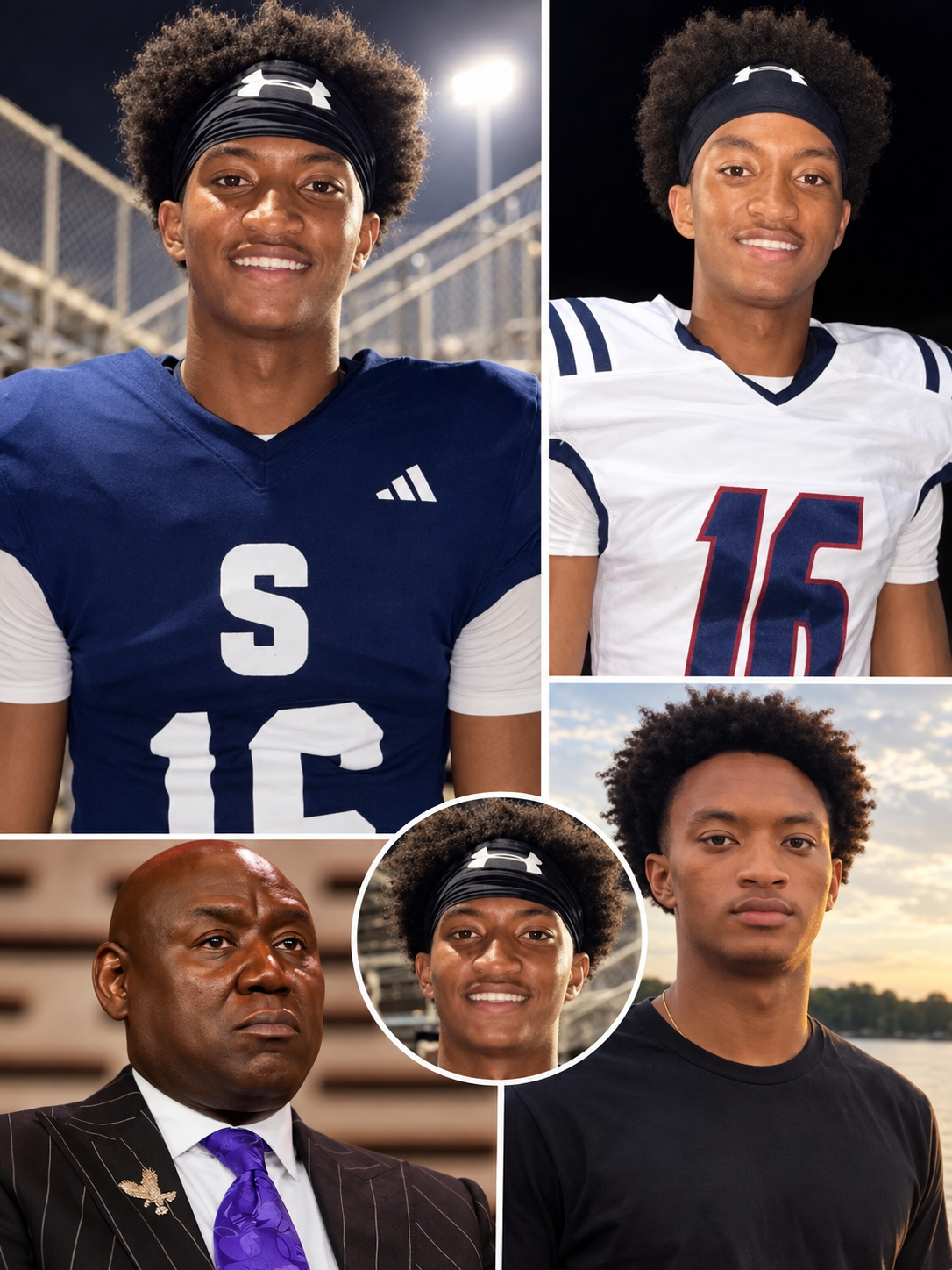
Civil rights attorney Ben Crump is challenging the decision to bring the criminal investigation into Nolan Wells’ death to a close, arguing that major questions remain unanswered about injuries found on the 18-year-old’s body.
The criticism came after a Jackson County, Mississippi, grand jury unanimously declined to indict anyone in connection with Wells’ death following an extensive review of witness testimony, digital evidence, medical findings and materials gathered by the family’s own investigators.
District Attorney Angel Myers McIlrath said the grand jury found no credible evidence that a crime had occurred and no evidence supporting claims that Wells’ death was racially motivated.
But Crump, who represents the Wells family, says that conclusion does not fully explain what happened to Nolan.
At the center of the dispute are blunt-force injuries documented during the medical examinations of his body.
Crump says authorities still have not adequately explained how those injuries occurred — or why a case with an officially undetermined cause of death should be treated as effectively resolved.
Crump Says ‘No True Bill’ Does Not Answer How Nolan Died
Crump issued a sharp response after the grand jury’s findings became public.
He accused prosecutors of moving toward closure without determining what caused the blunt-force trauma documented on Nolan’s head and elsewhere on his body.
For the Wells family, that distinction is crucial.
The grand jury concluded that the position, condition, discovery time and location of Nolan’s body were consistent with drowning.
But neither the official medical examiner nor the family’s independent forensic pathologist definitively ruled that drowning was the cause of death.
Both examinations ultimately left the cause and manner of death undetermined.
That gap is now the central focus of the family’s challenge.
Crump argues that saying the circumstances are “consistent with drowning” is not the same as medically establishing that Nolan drowned — particularly when unexplained injuries were also documented.
Grand Jury Reviewed Months of Evidence
The decision not to indict came after a sweeping grand jury investigation.
The 23-member panel issued 132 subpoenas and heard testimony from 43 witnesses.
Jurors reviewed cellphone data, GPS information, photographs, videos, surveillance material, forensic reports and testimony from investigators and experts.
Evidence gathered through the Wells family’s independent investigation was also provided for review.
After considering that material, the grand jury returned a unanimous “no true bill,” meaning it found insufficient evidence to bring criminal charges.
The panel reported no credible evidence that people who traveled with Wells to or from Horn Island committed a crime.
It also found no evidence that Nolan had been targeted because of his race.
For prosecutors, the findings represent the most comprehensive official review of the case to date.
For Nolan’s family, they still leave a fundamental question unanswered.
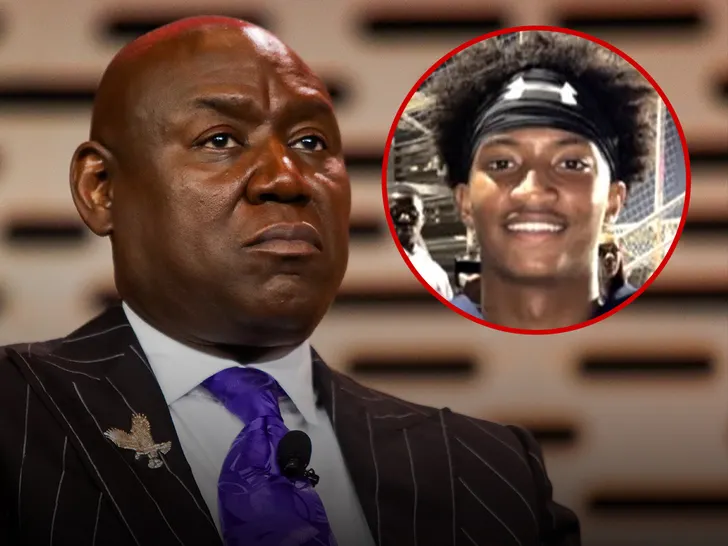
Injuries Remain at the Center of the Dispute
Nolan’s body showed bruising and blunt-force injuries, including trauma to the back of his head.
Additional bruising was documented on other parts of his body.
Medical experts did not find those injuries severe enough to explain his death.
The grand jury report also noted witness accounts that Nolan had slipped or fallen near a boat during the July 4 gathering but appeared to be fine afterward.
That could provide a possible explanation for at least some of the injuries.
However, Crump says the family wants more than possible explanations.
He argues that authorities should determine precisely how the trauma occurred rather than closing the investigation while the official cause of death remains unresolved.
The family’s independent autopsy likewise concluded that Nolan’s cause and manner of death could not be determined.
That second examination has become an important part of Crump’s argument that uncertainty still surrounds Nolan’s final hours.
Prosecutor Strongly Rejects Claims of a Cover-Up
McIlrath has responded forcefully to criticism surrounding the investigation.
She said some public narratives about the case were false and accused outside voices of spreading misinformation that intensified suspicion and division.
Among the disputed claims were allegations involving missing organs from Nolan’s body, deleted material from his phone and claims that prosecutors refused to cooperate with the family’s independent investigation.
McIlrath said those accusations were untrue.
She also emphasized that investigators considered evidence supplied by the family and its attorneys rather than excluding it.
The prosecutor said the grand jury’s role was not only to indict people when evidence supported charges, but also to protect people from accusations when the evidence did not establish criminal wrongdoing.
Her office released a redacted version of the grand jury findings after the investigation concluded.
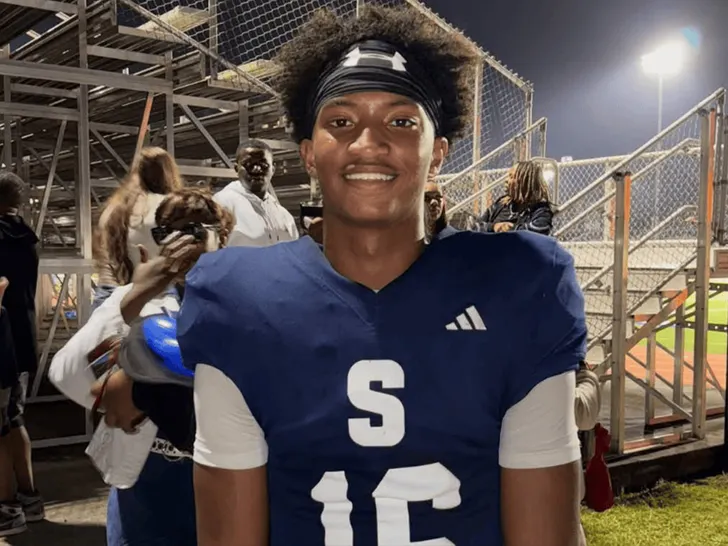
Family Still Questions What Happened on Horn Island
Nolan disappeared on July 4, 2026, during a boating trip to Horn Island off the Mississippi Gulf Coast.
He had traveled there with friends during the holiday weekend and later remained on the island after one of the boats departed.
His body was discovered in the water two days later.
The case quickly attracted widespread attention as questions emerged about why Nolan remained behind, what happened during the hours before he disappeared and whether the people around him had provided a complete account.
Online speculation became particularly intense because Nolan was Black and many of the people associated with the outing were White.
The grand jury specifically examined whether race played a role.
It ultimately found no evidence supporting a racially motivated crime.
Investigators also reviewed claims that Nolan had been involved in an altercation before disappearing and found no evidence of a significant physical confrontation.
Digital Evidence Supported Witness Accounts, Grand Jury Says
Authorities examined extensive digital records in an effort to reconstruct the day.
Those records included GPS information from boats, cellphone data, photographs, videos and surveillance footage.
The grand jury concluded that the digital evidence was generally consistent with statements provided by people who were on the island or traveling with Nolan.
Investigators also examined mechanical trouble involving one of the boats and determined there was no evidence linking that issue to criminal activity.
Some photographs and recordings that circulated widely online were also found to have been misinterpreted or associated with the wrong date.
Those findings were important to prosecutors because much of the suspicion surrounding the case had developed through social-media claims rather than evidence gathered under subpoena.
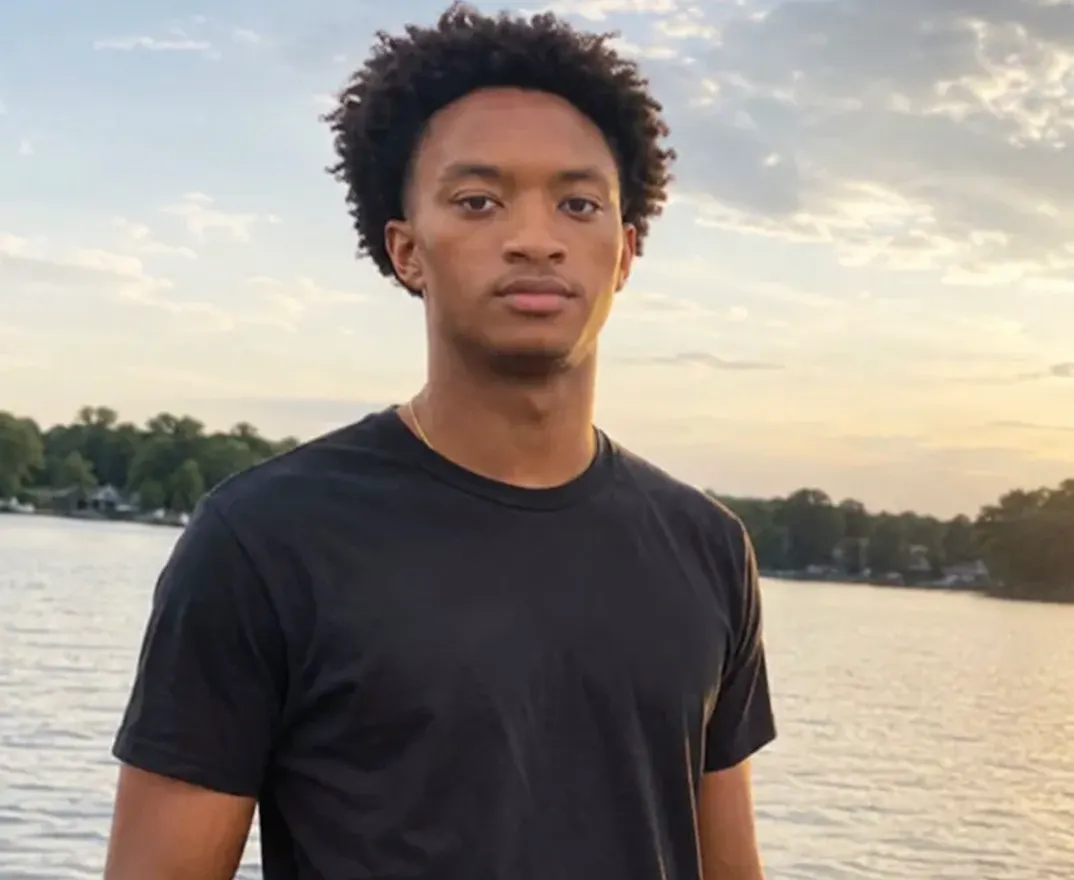
Cause of Death Is Still Officially Undetermined
Despite the extensive investigation, the medical conclusion remains less definitive than the legal one.
The state medical examiner did not identify a fatal injury, lethal disease or drug-related cause.
The independent examination commissioned by Nolan’s family also failed to establish a specific cause.
Drowning remains a possible explanation based on the circumstances in which Nolan’s body was found.
But it has not been formally listed as a definitive cause of death.
That is the point Crump continues to emphasize.
The absence of evidence sufficient for criminal charges does not automatically provide a complete explanation of how Nolan died.
Legally, the grand jury found no basis to indict anyone.
Medically, the case still ends with the word “undetermined.”
Case Could Be Revisited if New Evidence Emerges
The grand jury’s decision does not permanently prevent the case from being examined again.
Mississippi does not impose a statute of limitations on murder.
If credible new evidence emerges suggesting criminal conduct, prosecutors could present the matter to another grand jury in the future.
For now, however, no one faces charges in connection with Nolan’s death.
McIlrath has made clear that her office believes the evidence gathered so far does not support prosecution.
Crump and the Wells family are equally clear that they do not consider the unanswered medical questions resolved.
Two Different Meanings of ‘Closure’
The disagreement now centers on what it means for this investigation to be finished.
For prosecutors, months of evidence gathering, dozens of witnesses, two medical examinations and a unanimous grand jury decision produced no evidence sufficient to accuse anyone of a crime.
For Nolan’s family, the absence of an indictment does not answer the question they have been asking since July.
How did their son die?
Crump says unexplained trauma, an undetermined cause of death and gaps surrounding Nolan’s final hours justify continued scrutiny.
The district attorney says the evidence has already been examined thoroughly and does not support the darker theories that spread after Nolan disappeared.
Both positions now exist side by side.
The criminal investigation has produced no charges.
The medical record has produced no definitive cause.
And nearly three months after Nolan Wells disappeared from Horn Island, his family is still asking for an explanation that goes beyond a finding of “no true bill.”