Dolly Parton’s Estate Wins Restraining Order Against Nephew After Alleged Threats Spark Fear
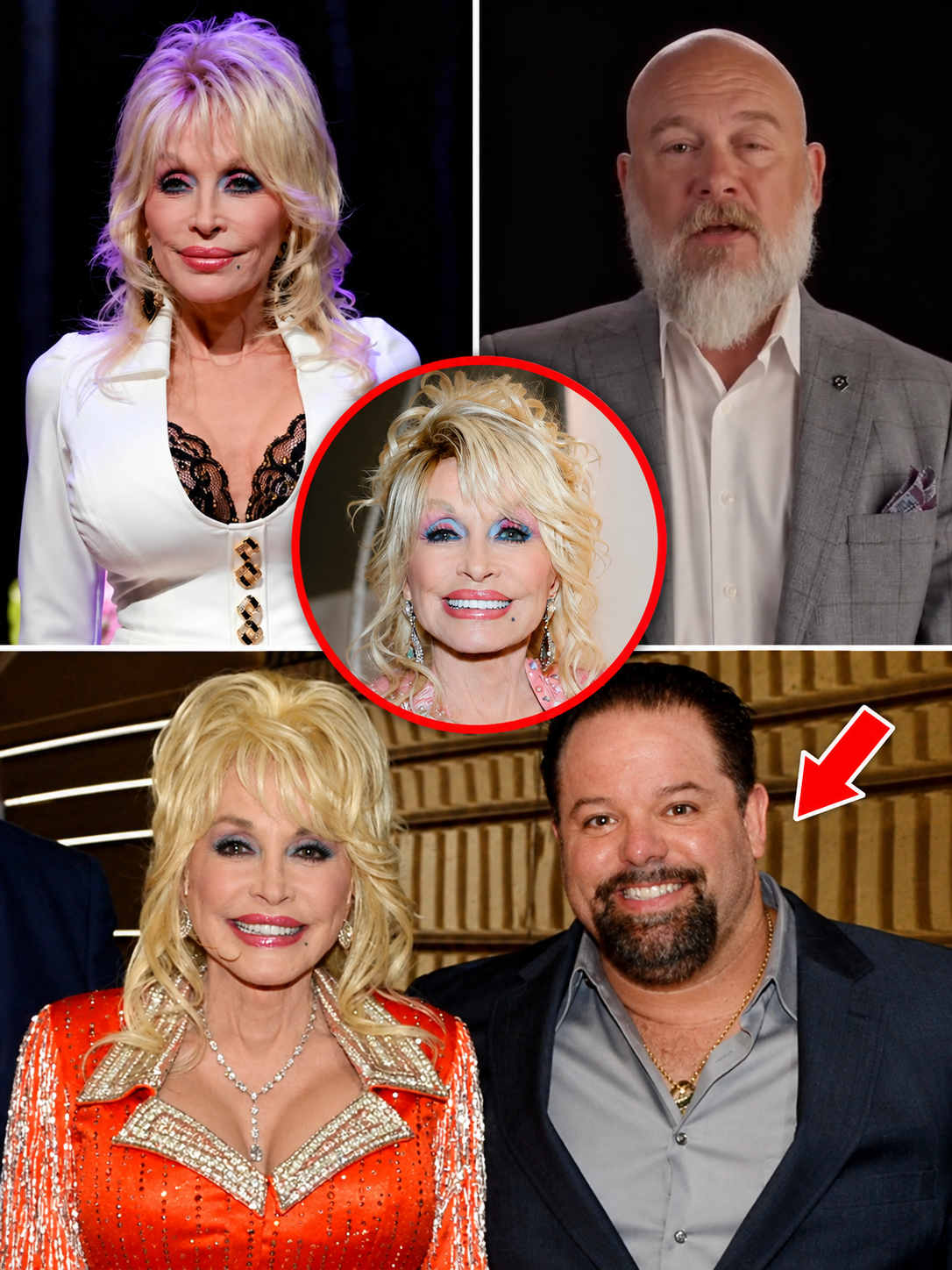
A family dispute surrounding Dolly Parton’s estate has escalated into a courtroom battle after her longtime manager accused the singer’s nephew and former security chief of making a series of threatening and intimidating statements that allegedly left people connected to Parton’s business empire afraid for their safety.
Bryan Seaver, the son of Parton’s sister Cassie, spent nearly two decades providing security for his famous aunt’s properties. But following his recent dismissal, Parton’s estate has taken legal action against him, claiming his conduct created an atmosphere of fear among employees, attorneys and business associates.
The estate, operating through She’s Alive, LLC, is represented in the dispute by Parton’s longtime manager Danny Nozell.
According to legal filings, Nozell sought a temporary restraining order against Seaver after alleging that the former security chief had threatened the estate and people responsible for protecting and continuing Parton’s legacy.
That request was granted on Tuesday, marking a significant development in a conflict that the estate says had been building even before Parton’s death on August 25.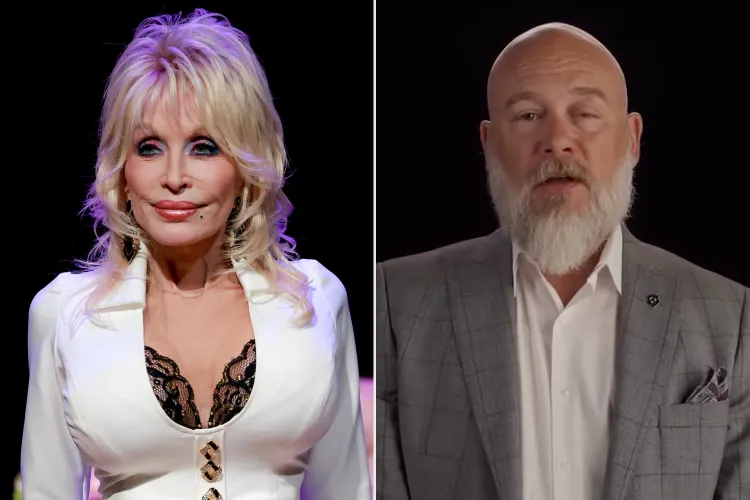
Estate Claims Trouble Began Before Parton’s Death
The legal dispute did not begin solely after the country music icon died.
In court documents supporting the request for a restraining order, Nozell alleged that Seaver began what he described as a pattern of threats, intimidation and coercion several weeks before Parton passed away.
The filing claims that those communications continued afterward and were directed toward employees, attorneys and business partners associated with She’s Alive, LLC.
One of the most serious allegations centers on written messages in which Seaver allegedly threatened to damage the broader Parton brand and interfere with companies involved in operating Dollywood.
The estate also claims Seaver made statements intended to emphasize his military and security background in ways that alarmed people receiving them.
Among the remarks described in the legal filing was Seaver’s alleged claim that he was involved internationally in arms dealing and mercenary work. The estate also cited statements suggesting that people should be concerned about what he might be capable of doing.
In another exchange cited in the filing, Seaver allegedly described himself to Parton’s entertainment attorney in explicitly lethal terms.
The estate argues that these were not simply heated comments made during a disagreement.
According to the legal motion, people connected to Parton’s affairs took the remarks seriously enough to change their behavior and security arrangements.
Staff Members Allegedly Resigned Amid Fear
The consequences described in the lawsuit extend beyond angry messages.
The estate alleges that some personnel became so concerned about Seaver that they resigned from their positions.
Parton’s trusts and estates attorney also withdrew after allegedly becoming a target of Seaver’s conduct, according to the filing.
Other individuals associated with She’s Alive, LLC reportedly hired private security as concerns grew.
The legal documents portray the situation as one that disrupted ordinary business operations and replaced them with fear and uncertainty.
That claim is especially significant because Seaver was not an outsider unfamiliar with the organization.
For roughly 20 years, he had been responsible for providing security guards for various properties associated with his aunt. His role placed him inside the network of people responsible for protecting Parton and her interests, making his eventual separation from the estate particularly contentious.
The lawsuit alleges that Seaver became increasingly aggressive following Parton’s death, though the estate claims the conflict had already begun beforehand.
Seaver Says His Words Were Misinterpreted
Seaver has rejected the estate’s portrayal of his statements as threats.
In his response, he acknowledged making many of the comments at the center of the lawsuit but argued that they had been stripped of their proper context.
He described himself as a career soldier and military contractor and said his work includes arranging arms transactions for foreign governments.
Seaver also stood by his characterization of himself as both a security professional and someone trained to kill.
However, he insisted that those descriptions were not intended as threats against the estate or anyone associated with it.
Seaver characterized at least some of his conversations with Nozell as emotionally charged exchanges between two people grieving Parton’s death.
He said he believed Nozell had been his friend and suggested that the men sometimes spoke to one another in an aggressive or exaggerated manner.
According to Seaver, some of the messages now being presented as threatening were part of what he described as angry conversations mixed with grief.
He also specifically addressed his comments involving companies connected to Dollywood.
Seaver said those statements referred to particular businesses that he believed had treated Parton badly during her lifetime.
He claimed his anger was directed at business partners he believed had frightened or intimidated his aunt and said he continued to stand by his criticism of those entities.
A Family Relationship Becomes a Legal Conflict
The dispute is made more complicated by the close family connection involved.
Seaver is not simply a former employee.
As Parton’s nephew, he had both a personal relationship with the singer and a professional role that lasted for years.
That overlap between family, employment and responsibility for Parton’s safety now sits at the center of a bitter legal confrontation.
The estate portrays Seaver’s behavior as serious enough to require court intervention.
Seaver, meanwhile, maintains that emotionally intense language and statements about his professional background have been interpreted in a way he says does not reflect what he intended.
The temporary restraining order does not resolve the broader lawsuit, but its approval gives the estate the immediate protection it requested while the underlying accusations continue through the legal process.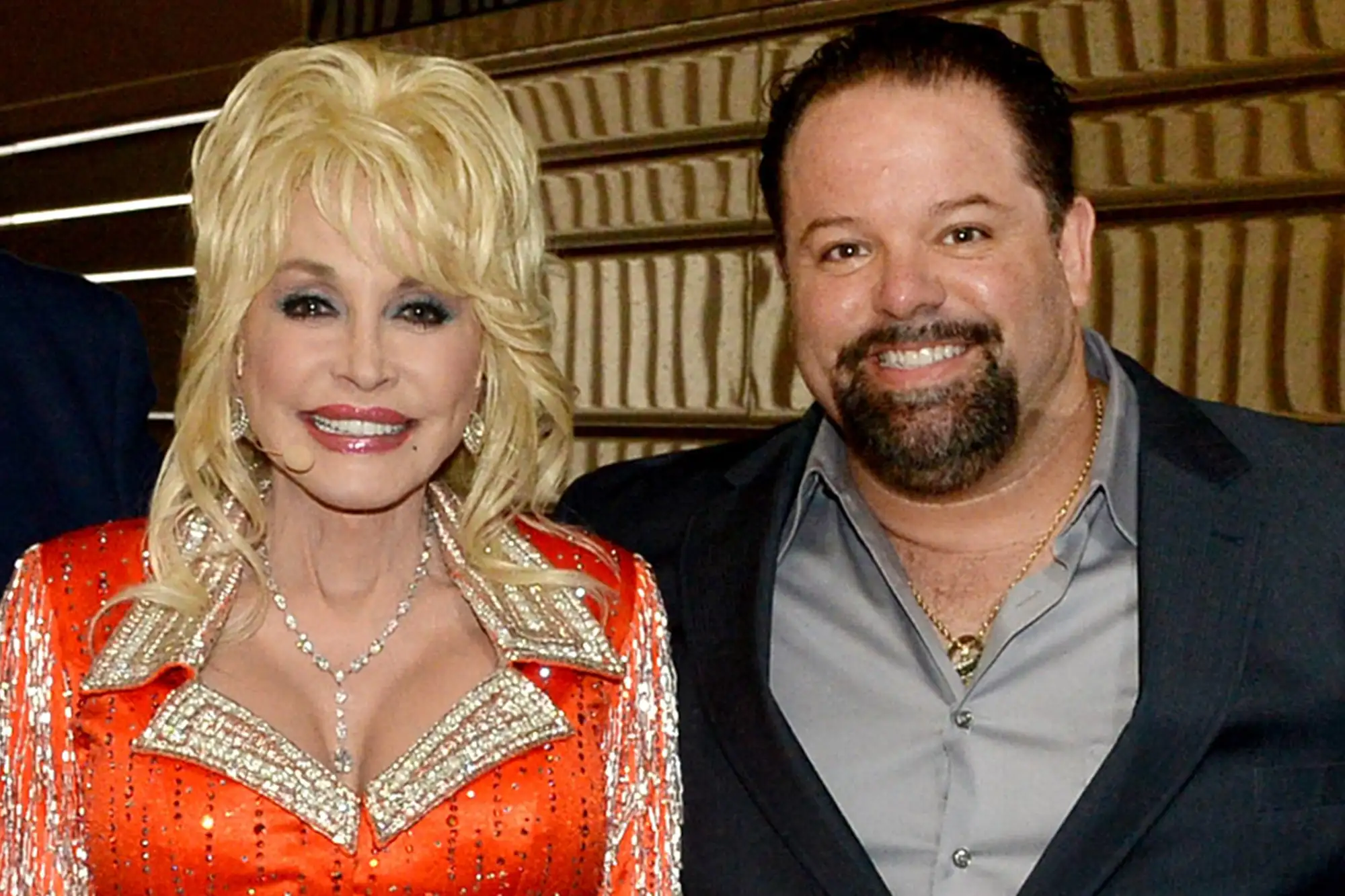
Parton’s Legacy Now at the Center of the Dispute
Beyond the interpersonal conflict, the case involves something much larger: control and protection of the business structure surrounding Dolly Parton’s legacy after her death.
For decades, Parton’s name extended far beyond her music career into entertainment ventures, business relationships and properties associated with one of the most recognizable brands in country music.
The estate’s lawsuit alleges that the very people tasked with preserving those interests began changing how they worked because of their concerns about Seaver.
Private security was reportedly hired. Staff members allegedly left. A lawyer withdrew.
Those consequences form a central part of the estate’s argument that the situation had moved beyond a private disagreement and required formal legal action.
Seaver’s defense, however, presents a sharply different interpretation.
Rather than a campaign of intimidation, he describes grief, anger and blunt conversations between people who had recently lost someone important to them.
That difference in interpretation now sits at the heart of the dispute.
For the moment, the court has granted the requested restraining order, while the lawsuit keeps the larger conflict unresolved.
What began as the dismissal of a longtime family member from his security position has now developed into a legal fight involving allegations of threats, frightened employees, private security and competing accounts of what was said — and what those words were intended to mean.